
Protein4 recipes
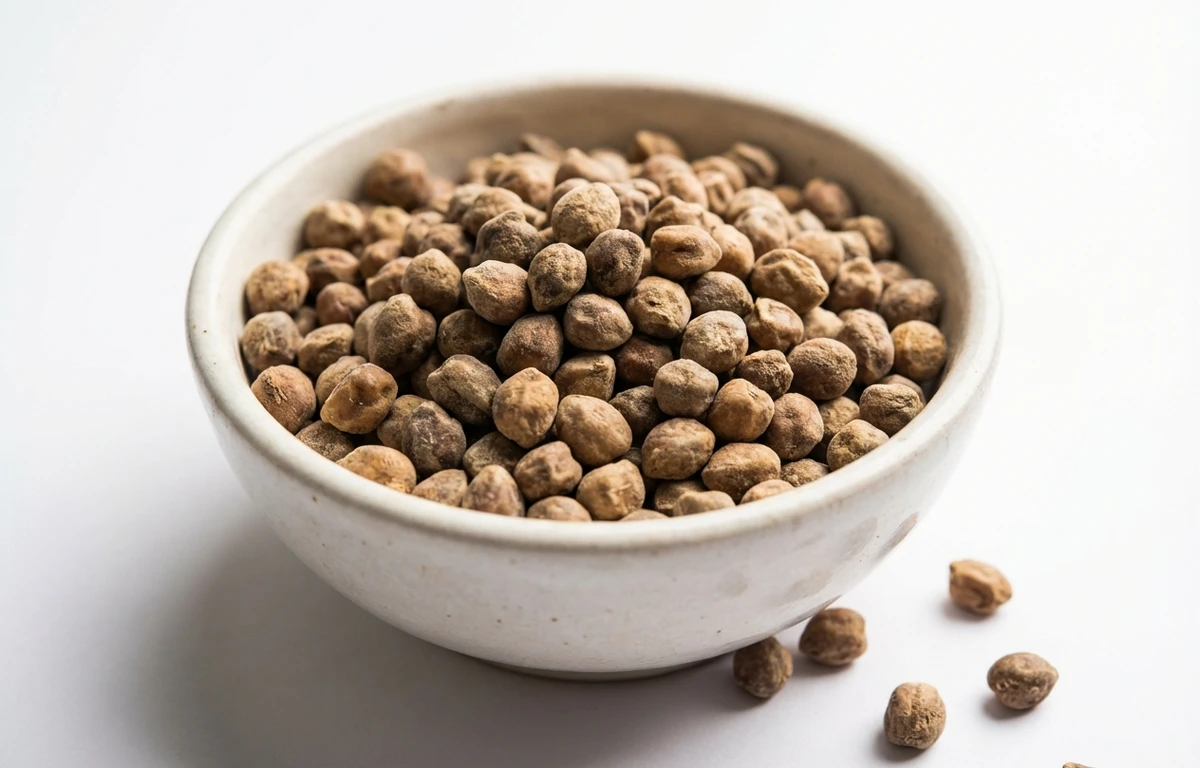
prosopis cineraria beans.
VegetarianVeganGluten-freeDairy-freeNut-freePeanut-freeSoy-freeEgg-freeShellfish-freeHoney-freeAlcohol-free
ALSO KNOWN AS
sangriKhejri beansGhaf beansJand beansShami beansSangri fali
SERVING
CALORIES
337
PROTEIN
18g
CARBS
62g
FAT
1.5g
FIBER
28g
This ingredient is flagged as naturally gluten-free.
NUTRITION PROFILE · per 100 g
Everything in this ingredient.
MACRONUTRIENTS
Calories337kcal—
Protein18g36%
Carbohydrates62g23%
Fiber28g100%
Sugar6.0g12%
Total fat1.5g2%
Saturated fat0.20g1%
Cholesterol0mg0%
Water8.0g—
MINERALS
Sodium15mg1%
Potassium1100mg23%
Calcium180mg14%
Iron7.0mg39%
Magnesium150mg36%
Phosphorus350mg28%
Zinc4.0mg36%
Copper1.2mg133%
Manganese2.0mg87%
VITAMINS
Vitamin A0µg0%
Vitamin C0mg0%
Vitamin D0µg0%
Thiamin (B1)0.40mg33%
Riboflavin (B2)0.18mg14%
Niacin (B3)2.0mg13%
Vitamin B60.35mg21%
%DV based on a 2,000 cal diet. Source: USDA FoodData Central. A dash in the %DV column means there’s no established Daily Value for that nutrient.
MEASUREMENT CONVERSIONS
How much is what.
1 cup170g
1 tablespoon10.6g
1 teaspoon3.5g
1 ml0.7g
1 liter708.3g
HEALTH BENEFITS
Why eat it.
- ✓Good source of essential minerals such as potassium, magnesium, calcium, iron, and zinc.
COOKING TIPS
In the kitchen.
- 1Dried beans must be soaked for at least 6-8 hours or overnight in ample water to rehydrate and soften them before cooking.
- 2After soaking, boil the beans in fresh water until tender. It's common to discard the boiling water to reduce any potential bitterness.
- 3Famously used in the Rajasthani dish 'Ker Sangri,' where they are cooked with spices, yogurt, and other local ingredients.
- 4The beans have an earthy flavor that pairs well with tangy and spicy ingredients like dried mango powder (amchur), chili, turmeric, and coriander.
STORAGE
Keep it fresh.
- Store dried Prosopis cineraria beans (Sangri) in an airtight container in a cool, dark, and dry place for up to 12 months.
- Once cooked, the beans can be stored in a sealed container in the refrigerator for 3-4 days.
FAQ
Frequently asked questions.
Are prosopis cineraria beans healthy?
Yes, prosopis cineraria beans are very healthy. They are a rich source of plant-based protein, dietary fiber, and essential minerals like potassium, magnesium, iron, and zinc. They also contain antioxidants, supporting overall well-being and digestive health.
What is the nutritional content of prosopis cineraria beans?
Per 100g, prosopis cineraria beans provide approximately 337 calories, 18g of protein, 62g of carbohydrates, and 1.5g of fat. They are particularly notable for their high protein and fiber content, making them a nutritious legume.
Are prosopis cineraria beans vegan?
Yes, prosopis cineraria beans are entirely plant-based and suitable for a vegan diet. As a legume, they are a natural source of protein and nutrients derived directly from the plant.
How do you cook prosopis cineraria beans?
Prosopis cineraria beans, often consumed as a vegetable or flour, typically require soaking before cooking to reduce cooking time and improve digestibility. They can then be boiled, stewed, or ground into flour for use in various dishes, similar to other legumes.
What do prosopis cineraria beans taste like?
The taste of prosopis cineraria beans is often described as earthy and slightly nutty, with a mild flavor profile. When cooked, they absorb flavors well, making them versatile for use in savory dishes and curries.
How should I store prosopis cineraria beans?
Dried prosopis cineraria beans should be stored in an airtight container in a cool, dry, dark place, similar to other dried legumes. Properly stored, they can last for several months to over a year. Cooked beans should be refrigerated and consumed within 3-4 days.
RECIPES
Cook with prosopis cineraria beans.
4 recipes · sorted by what’s quick



















