herb1 recipes
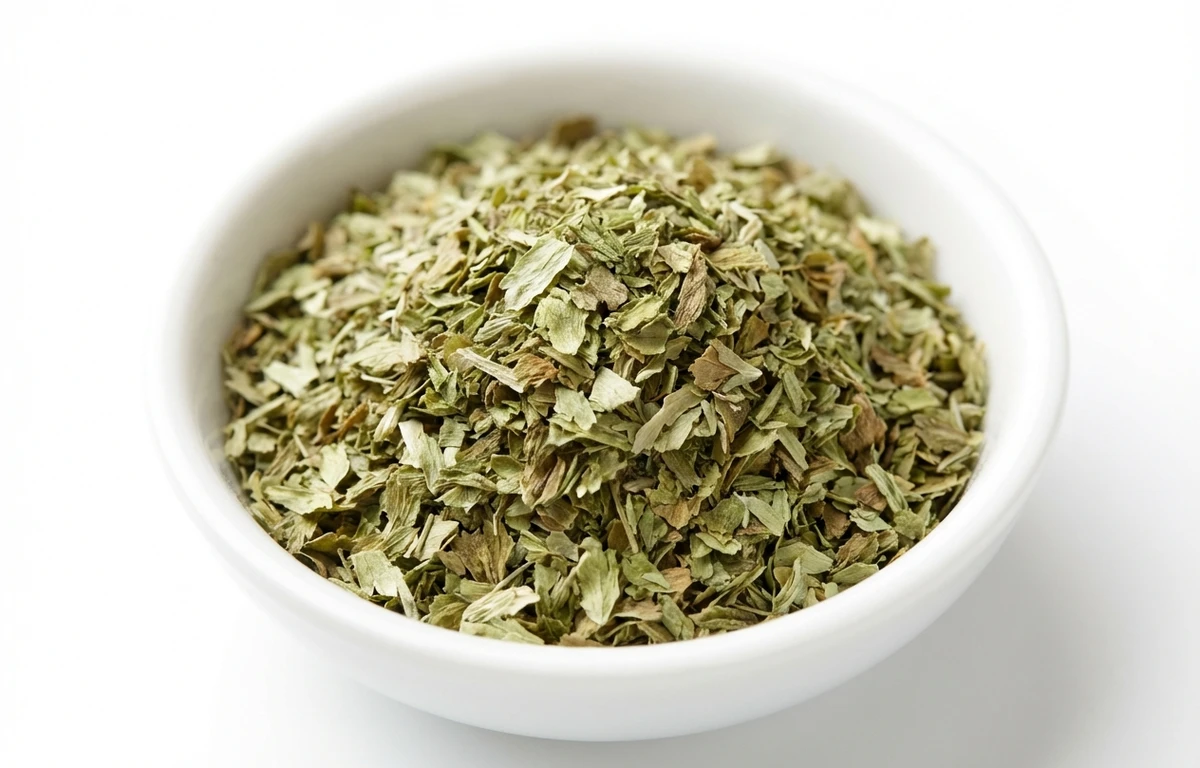
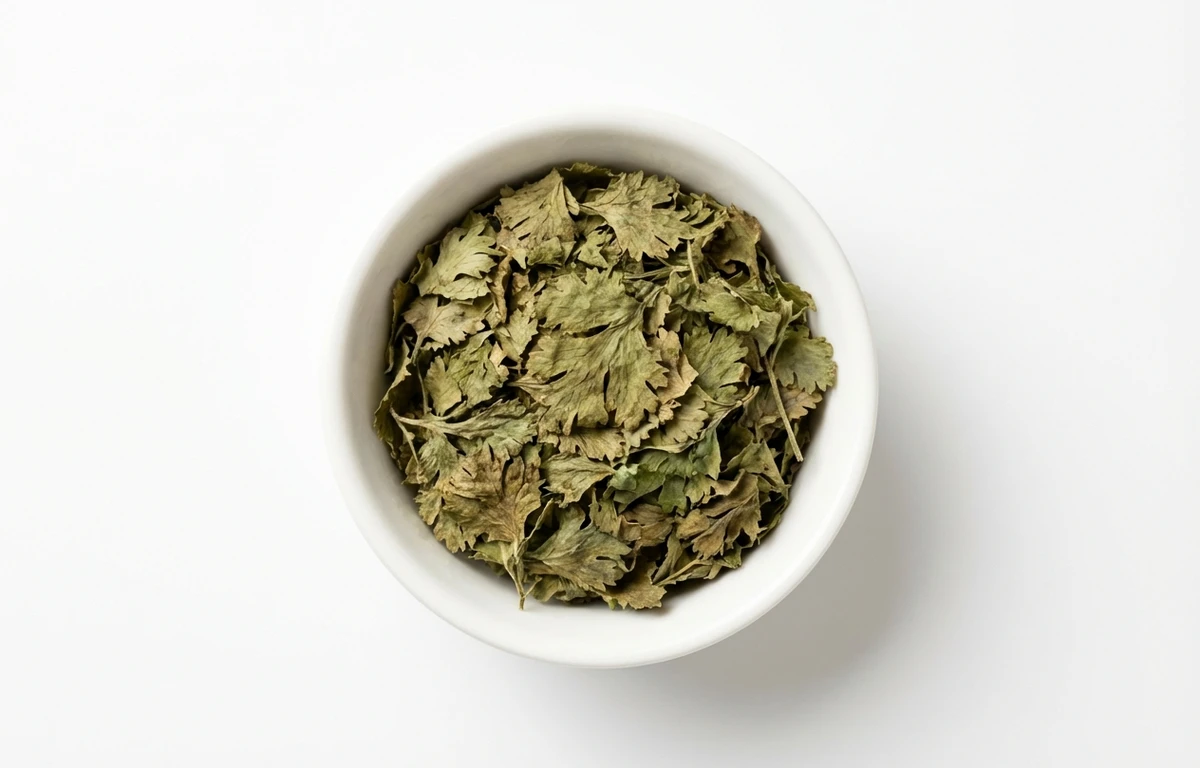
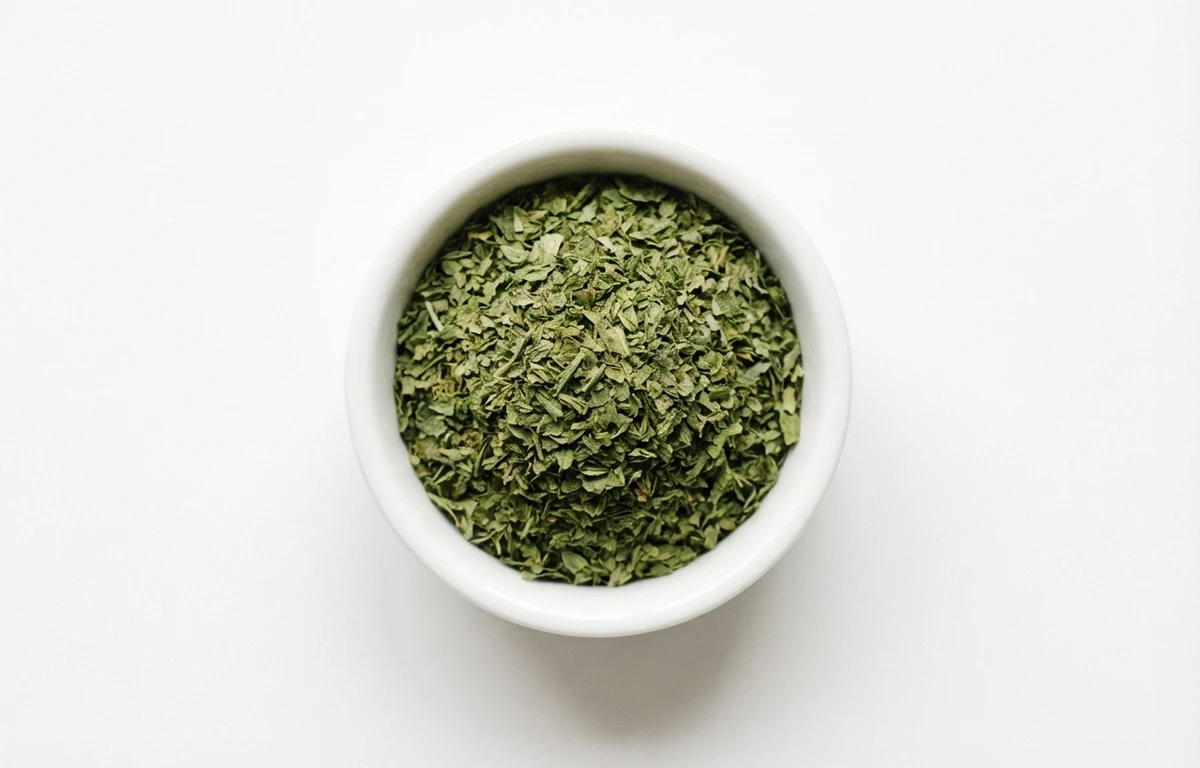
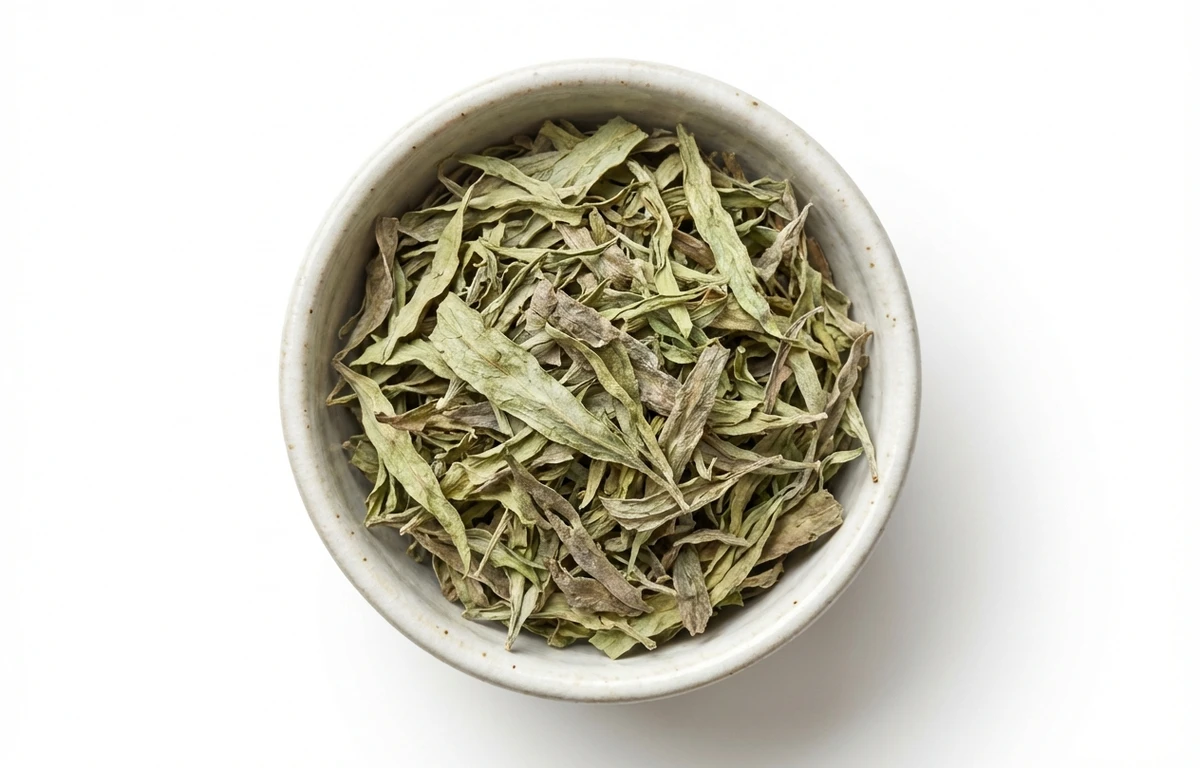
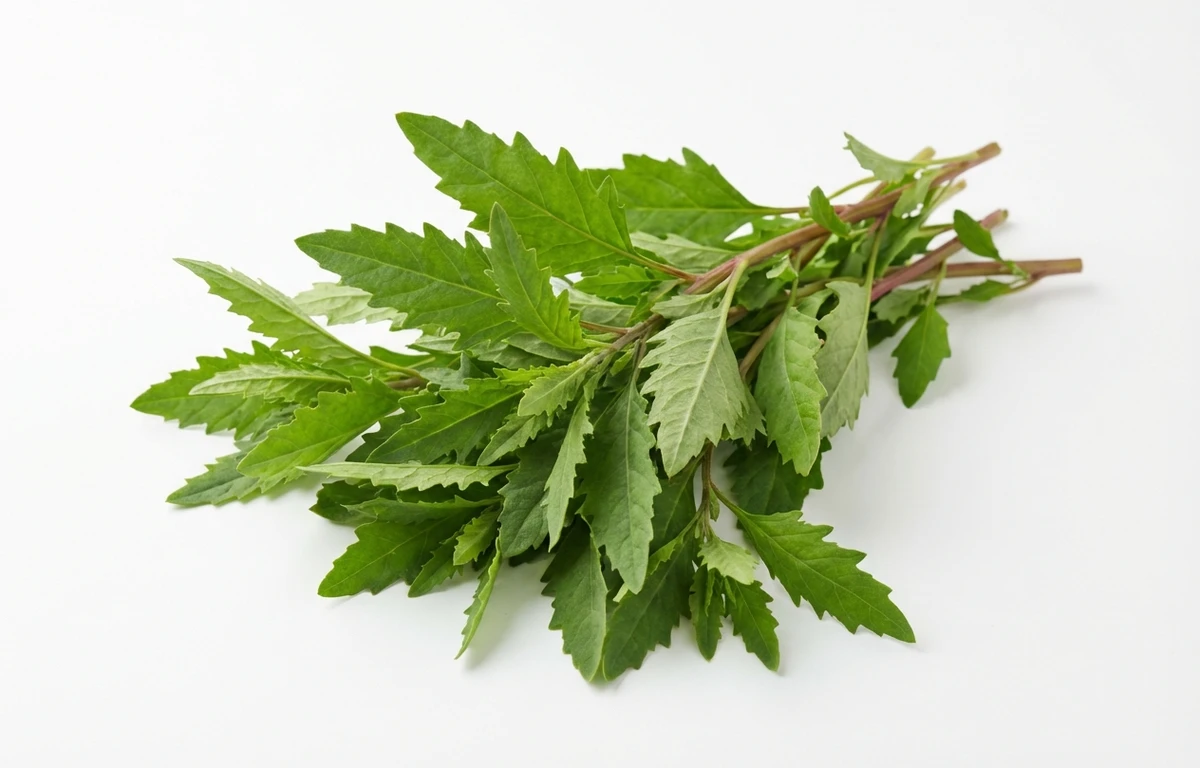
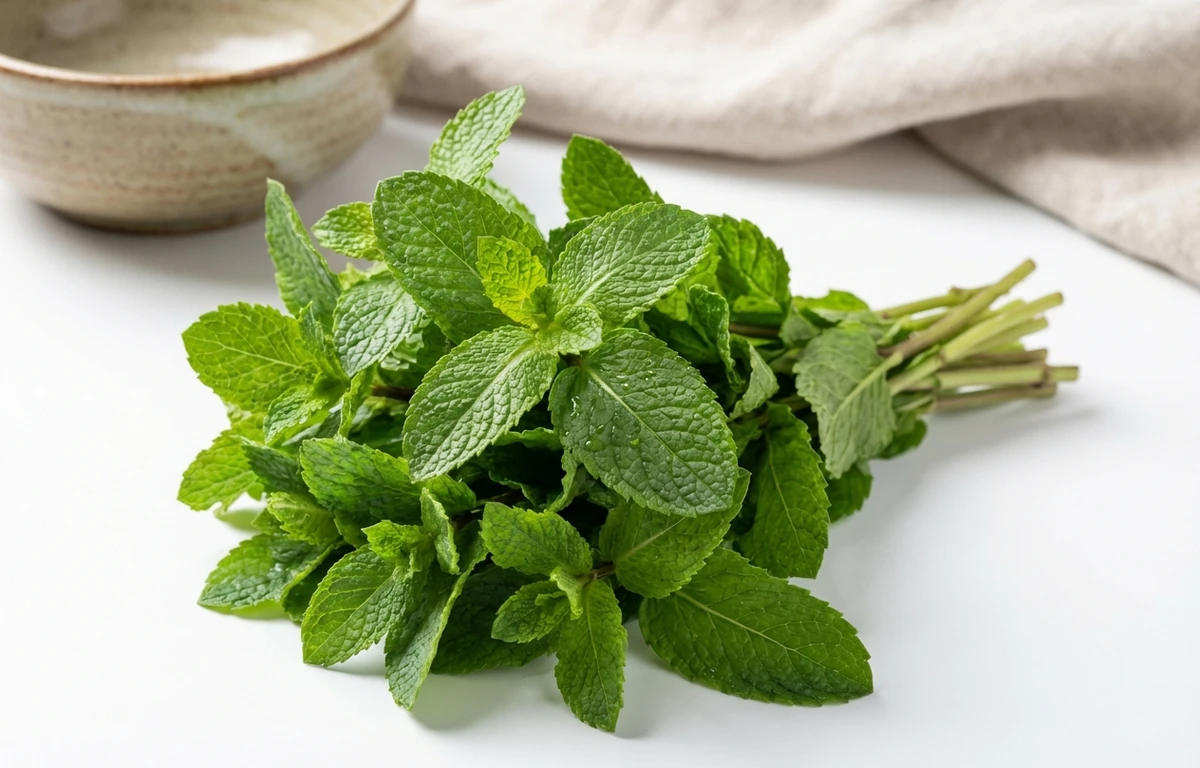
pudhina leaves.
VegetarianVeganGluten-freeDairy-freeNut-freePeanut-freeSoy-freeEgg-freeShellfish-freeHoney-freeAlcohol-free
SERVING
CALORIES
44
PROTEIN
3.3g
CARBS
8.4g
FAT
0.73g
FIBER
6.8g
NUTRITION PROFILE · per 100 g
Everything in this ingredient.
MACRONUTRIENTS
Calories44kcal—
Protein3.3g7%
Carbohydrates8.4g3%
Fiber6.8g24%
Sugar0.94g2%
Total fat0.73g1%
Saturated fat0.19g1%
Trans fat0g—
Cholesterol0mg0%
Water85.5g—
MINERALS
Sodium31mg1%
Potassium458mg10%
Calcium243mg19%
Iron5.1mg28%
Magnesium60mg14%
Phosphorus60mg5%
Zinc1.1mg10%
Copper0.24mg27%
Manganese1.1mg49%
Selenium1.0µg2%
VITAMINS
Vitamin A212µg24%
Vitamin C13.3mg15%
Vitamin D0µg0%
Vitamin E0mg0%
Vitamin K0µg0%
Thiamin (B1)0.08mg7%
Riboflavin (B2)0.18mg14%
Niacin (B3)0.95mg6%
Pantothenic acid (B5)0.25mg5%
Vitamin B60.16mg9%
Folate (B9)105µg26%
Vitamin B120µg0%
%DV based on a 2,000 cal diet. Source: USDA FoodData Central. A dash in the %DV column means there’s no established Daily Value for that nutrient.
MEASUREMENT CONVERSIONS
How much is what.
1 cup30g
1 tablespoon4g
HEALTH BENEFITS
Why eat it.
- ✓Aids in digestion and can soothe an upset stomach due to its menthol content.
- ✓Rich in antioxidants and anti-inflammatory compounds, which may help reduce oxidative stress.
- ✓May help alleviate symptoms of Irritable Bowel Syndrome (IBS) by relaxing stomach muscles.
- ✓Acts as a natural decongestant, helping to break up phlegm and mucus.
COOKING TIPS
In the kitchen.
- 1Add fresh pudhina leaves towards the end of the cooking process to preserve their delicate, cool flavor and aroma, as prolonged heat can diminish them.
- 2Muddle or gently bruise the leaves before adding to beverages like mojitos, lemonade, or iced tea to release their essential oils.
- 3Finely chop and combine with yogurt, cucumber, and spices to create a classic Indian raita, a refreshing dip or side dish.
- 4Pairs exceptionally well with lamb, peas, potatoes, and fruit salads, adding a bright, cooling contrast.
STORAGE
Keep it fresh.
- Wrap the stems in a damp paper towel, place inside a loosely sealed plastic bag, and store in the refrigerator's crisper drawer for up to one week.
- Place the stems in a glass or jar with about an inch of water, cover loosely with a plastic bag, and refrigerate. Change the water every 1-2 days.
FAQ
Frequently asked questions.
Is pudhina (mint) healthy?
Yes, pudhina leaves are very healthy. They are low in calories and rich in antioxidants, vitamins, and minerals. They are particularly known for aiding digestion, soothing upset stomachs, and acting as a natural decongestant.
What are the nutritional benefits of pudhina leaves?
Per 100g, pudhina leaves contain approximately 44 calories, 3.29g protein, 8.41g carbohydrates, and 0.73g fat. They are also a good source of vitamins A and C, iron, and manganese, contributing to overall well-being.
Is pudhina good for digestion?
Absolutely. Pudhina is well-known for its digestive benefits, primarily due to its menthol content. It can help soothe an upset stomach, relieve indigestion, and may even alleviate symptoms of Irritable Bowel Syndrome (IBS) by relaxing stomach muscles.
Are pudhina leaves vegan and gluten-free?
Yes, pudhina leaves are naturally vegan as they are a plant product. They are also inherently gluten-free, making them suitable for individuals following these dietary restrictions.
Is pudhina keto-friendly?
Yes, pudhina leaves can be considered keto-friendly in typical serving sizes. While 100g contains 8.41g of carbs, a standard portion used in cooking is much smaller, contributing minimal net carbs to a meal.
How do you use pudhina leaves in cooking?
Pudhina leaves are incredibly versatile. They are commonly used in chutneys, raitas, salads, teas, and as a garnish for various dishes. They also add a refreshing flavor to curries, marinades, and beverages like mojitos or lemonades.
What does pudhina taste like?
Pudhina leaves have a distinct, refreshing, and slightly sweet taste with a cool aftertaste due to their menthol content. The flavor can range from mild to pungent depending on the variety, adding a bright, aromatic note to dishes.
How do you store fresh pudhina leaves?
To keep pudhina fresh, wrap the unwashed leaves in a damp paper towel and place them in a plastic bag or airtight container in the refrigerator. Alternatively, you can place the stems in a glass of water, cover loosely with a plastic bag, and refrigerate.
How do you know if pudhina leaves are fresh?
Fresh pudhina leaves should have vibrant green color, be firm, and free from any wilting, yellowing, or dark spots. They should also emit a strong, characteristic minty aroma when gently bruised.
Can pudhina leaves be eaten raw?
Yes, pudhina leaves are commonly eaten raw. They are often added fresh to salads, chutneys, raitas, and as a garnish to impart their refreshing flavor and aroma without cooking.
RECIPES
Cook with pudhina leaves.
1 recipes · sorted by what’s quick