
Other1 recipes
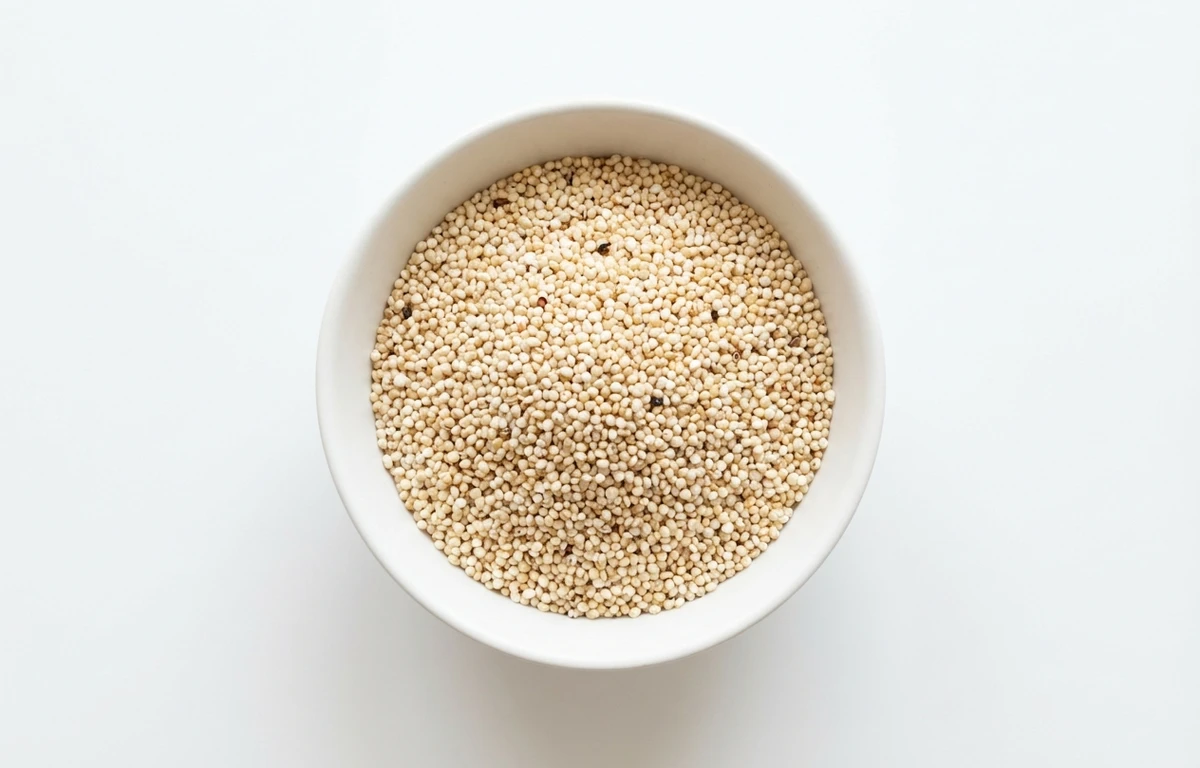
puffed amaranth seeds.
VegetarianVeganGluten-freeDairy-freeNut-freePeanut-freeSoy-freeEgg-freeShellfish-freeHoney-freeAlcohol-freeWhole grain
ALSO KNOWN AS
ramdanaamaranth puffsrajgira puffsrajgeera puffs
SERVING
CALORIES
371
PROTEIN
13.6g
CARBS
65.3g
FAT
7.0g
FIBER
6.7g
This ingredient is flagged as naturally gluten-free. Per 100 g, it provides 0.30 µg of vitamin K.
NUTRITION PROFILE · per 100 g
Everything in this ingredient.
MACRONUTRIENTS
Calories371kcal—
Protein13.6g27%
Carbohydrates65.3g24%
Fiber6.7g24%
Sugar1.6g3%
Total fat7.0g9%
Saturated fat1.5g8%
Cholesterol0mg0%
Water11.2g—
MINERALS
Sodium4.0mg0%
Potassium508mg11%
Calcium159mg12%
Iron7.6mg42%
Magnesium248mg59%
Phosphorus455mg36%
Zinc3.4mg30%
Copper0.53mg59%
Manganese3.3mg145%
Selenium18.7µg34%
VITAMINS
Vitamin A0µg0%
Vitamin C4.2mg5%
Vitamin D0µg0%
Vitamin E1.2mg8%
Vitamin K0.30µg0%
Thiamin (B1)0.02mg2%
Riboflavin (B2)0.19mg15%
Niacin (B3)0.92mg6%
Pantothenic acid (B5)0.14mg3%
Vitamin B60.11mg6%
Folate (B9)82µg21%
Vitamin B120µg0%
%DV based on a 2,000 cal diet. Source: USDA FoodData Central. A dash in the %DV column means there’s no established Daily Value for that nutrient.
MEASUREMENT CONVERSIONS
How much is what.
1 cup25g
1 tablespoon1.5g
1 teaspoon0.5g
1 ml0.1g
1 liter100g
HEALTH BENEFITS
Why eat it.
- ✓Provides complete protein, containing all nine essential amino acids necessary for muscle repair and growth.
COOKING TIPS
In the kitchen.
- 1Use as a ready-to-eat breakfast cereal with milk or yogurt, or mix into oatmeal for added texture.
- 2Incorporate into homemade granola, energy balls, or snack bars for a light, crispy texture and a nutritional boost.
- 3Sprinkle over salads, soups, or smoothie bowls as a crunchy, gluten-free topping.
- 4Mix with melted chocolate, honey, or nut butter to create simple, no-bake confections, such as traditional Mexican 'alegría' bars.
STORAGE
Keep it fresh.
- Store in an airtight container in a cool, dark, and dry place like a pantry to protect it from moisture, light, and pests.
- For extended freshness beyond a few months, keep it in the refrigerator or freezer to prevent the natural oils from becoming rancid.
FAQ
Frequently asked questions.
Is puffed amaranth healthy?
Yes, puffed amaranth is very healthy. It's a complete protein, meaning it contains all nine essential amino acids, and is rich in dietary fiber, which aids digestion. It also provides important minerals like manganese, magnesium, phosphorus, and iron, supporting overall well-being.
How much protein and calories are in puffed amaranth?
Per 100g, puffed amaranth contains approximately 13.56g of protein and 371 calories. It's a nutrient-dense grain that can contribute significantly to your daily protein and energy needs, especially for plant-based diets.
How do you use puffed amaranth?
Puffed amaranth is ready to eat and versatile. It can be enjoyed as a breakfast cereal with milk, sprinkled over yogurt, salads, or fruit, or incorporated into homemade granola bars, energy bites, and baked goods for added texture and nutrition.
What does puffed amaranth taste like?
Puffed amaranth has a mild, slightly nutty, and earthy flavor. Its texture is light and airy, similar to very small popcorn, which makes it a pleasant addition to various dishes without overpowering other flavors.
How long does puffed amaranth last?
When stored correctly in an airtight container, puffed amaranth can typically last for 6 to 12 months. Always check for any signs of staleness, off-smell, or insect infestation before consumption.
What is the difference between amaranth and puffed amaranth?
Amaranth refers to the raw grain, which needs to be cooked before consumption. Puffed amaranth, on the other hand, is the result of heating the raw amaranth seeds until they pop, making them light, airy, and ready-to-eat without further cooking.
RECIPES
Cook with puffed amaranth seeds.
1 recipes · sorted by what’s quick



















