
Fruit
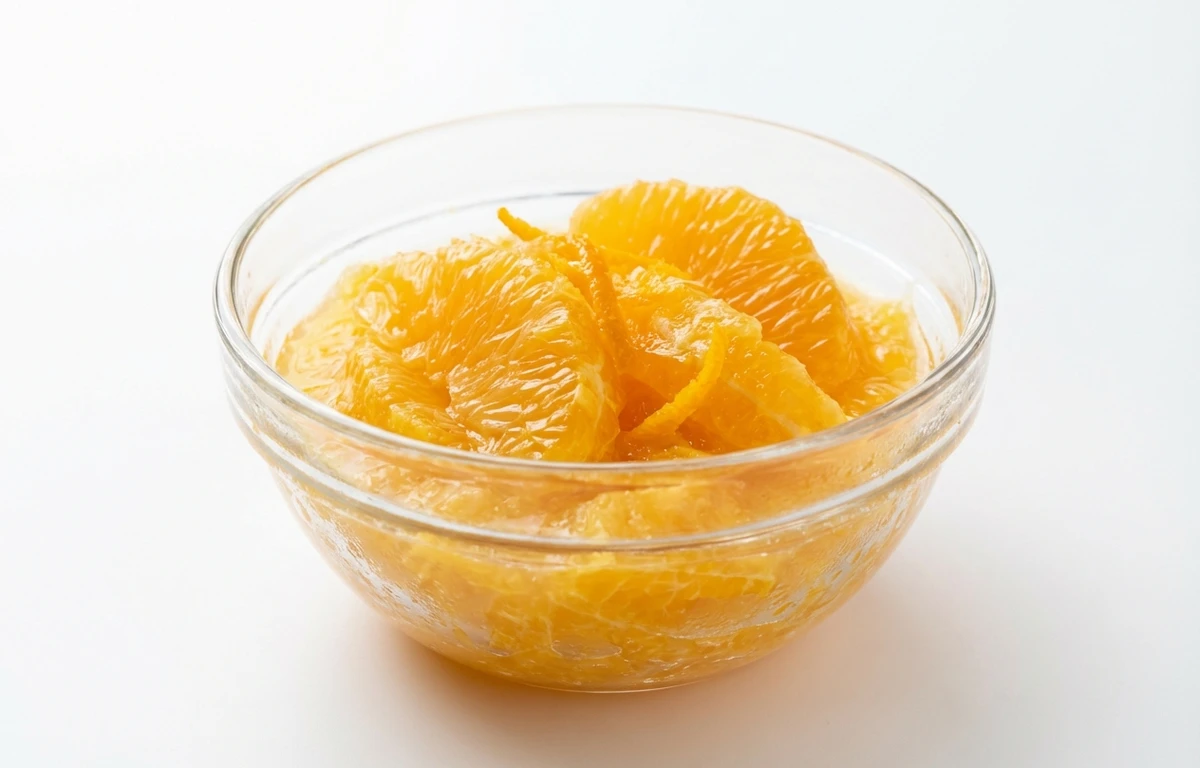
pulp orange.
VegetarianVeganGluten-freeDairy-freeNut-freePeanut-freeSoy-freeEgg-freeShellfish-freeHoney-freeAlcohol-freeHalalKosher
SERVING
CALORIES
37
PROTEIN
0.70g
CARBS
7.9g
FAT
0.13g
FIBER
1.3g
NUTRITION PROFILE · per 100 g
Everything in this ingredient.
MACRONUTRIENTS
Calories37.3kcal—
Protein0.70g1%
Carbohydrates7.9g3%
Fiber1.3g5%
Sugar6.9g14%
Total fat0.13g0%
Saturated fat0.04g0%
Trans fat0g—
Cholesterol0mg0%
Water89.6g—
MINERALS
Sodium1.5mg0%
Potassium164mg3%
Calcium19.5mg2%
Iron0.81mg5%
Magnesium11.1mg3%
Phosphorus12.9mg1%
Zinc0.04mg0%
Copper0.03mg3%
Manganese0.02mg1%
Selenium0.19µg0%
VITAMINS
Vitamin A81.7µg9%
Vitamin C42.7mg47%
Vitamin D0.34µg2%
Vitamin E0.04mg0%
Vitamin K2.5µg2%
Thiamin (B1)0.07mg6%
Riboflavin (B2)0.02mg2%
Niacin (B3)0.28mg2%
Pantothenic acid (B5)0.20mg4%
Vitamin B60.04mg2%
Biotin (B7)2.9µg10%
Folate (B9)19.5µg5%
%DV based on a 2,000 cal diet. Source: USDA FoodData Central. A dash in the %DV column means there’s no established Daily Value for that nutrient.
MEASUREMENT CONVERSIONS
How much is what.
1 cup255.5g
1 tablespoon16g
1 teaspoon5.3g
1 oz28.4g
1 lb453.6g
1 ml1.1g
1 liter1080g
HEALTH BENEFITS
Why eat it.
- ✓Excellent source of dietary fiber, which aids digestion, promotes satiety, and supports gut health.
- ✓Contains flavonoids like hesperidin, which have antioxidant and anti-inflammatory properties that may support cardiovascular health.
- ✓Provides a good source of Vitamin C, essential for immune function, skin health, and collagen production.
- ✓The fiber content can help slow the absorption of sugar into the bloodstream, contributing to better blood sugar control.
COOKING TIPS
In the kitchen.
- 1Add to smoothies and juices for a significant boost in fiber and a thicker texture.
- 2Incorporate into baked goods like muffins, quick breads, or cakes to add moisture and a subtle citrus flavor.
- 3Use as a base for making homemade marmalades, jams, or citrus curds.
- 4Mix into yogurt, oatmeal, or cottage cheese for added texture, fiber, and flavor.
STORAGE
Keep it fresh.
- For fresh pulp, store in an airtight container in the refrigerator for up to 3 days.
- Freeze orange pulp in ice cube trays or freezer-safe bags for long-term storage, lasting up to 3-4 months.
FAQ
Frequently asked questions.
Is orange pulp healthy?
Yes, orange pulp is very healthy. It's an excellent source of dietary fiber, Vitamin C, and beneficial flavonoids. These nutrients support digestion, boost immune function, and provide antioxidant and anti-inflammatory benefits for overall health.
What are the nutritional values of orange pulp?
Per 100g, orange pulp contains approximately 37 calories, 0.7g protein, 7.92g carbohydrates, and 0.13g fat. Its most notable nutritional contribution is its high content of dietary fiber.
Is orange pulp good for weight loss?
Yes, orange pulp can be beneficial for weight loss. Its high fiber content promotes satiety, helping you feel full longer and potentially reducing overall calorie intake. It's also low in calories, making it a good addition to a balanced diet.
Can diabetics eat orange pulp?
Yes, diabetics can generally eat orange pulp in moderation. The dietary fiber in the pulp helps slow down the absorption of natural sugars into the bloodstream, which can contribute to better blood sugar control compared to consuming orange juice without pulp.
Is orange pulp vegan and gluten-free?
Yes, orange pulp is naturally vegan and gluten-free. It is simply the fibrous part of the orange fruit, containing no animal products or gluten-containing grains.
What is orange pulp commonly used for?
Orange pulp is versatile and can be used in various ways. It's often blended into smoothies, added to baked goods like muffins or cakes for moisture and fiber, used in marmalades, or incorporated into sauces and marinades for a citrusy flavor and texture.
How do you store orange pulp?
Fresh orange pulp should be stored in an airtight container in the refrigerator, where it will last for about 3-4 days. For longer preservation, it can be frozen in freezer-safe bags or containers for several months.
What does orange pulp taste like?
Orange pulp has a taste similar to the orange fruit itself, offering a balance of sweet, tangy, and slightly bitter citrus notes. Its defining characteristic is its fibrous, somewhat chewy texture, which adds body to whatever it's mixed with.
What is the main difference between orange pulp and orange juice?
The primary difference is the fiber content. Orange pulp contains most of the fruit's beneficial dietary fiber, which is largely removed during the juicing process. This makes pulp more beneficial for digestion, satiety, and blood sugar regulation.
Does orange pulp contain a lot of sugar?
Orange pulp contains natural sugars, which are part of its carbohydrate content (7.92g per 100g). However, the high fiber content helps to slow the absorption of these sugars, leading to a more gradual rise in blood glucose compared to consuming pure orange juice.



















