
Fruit
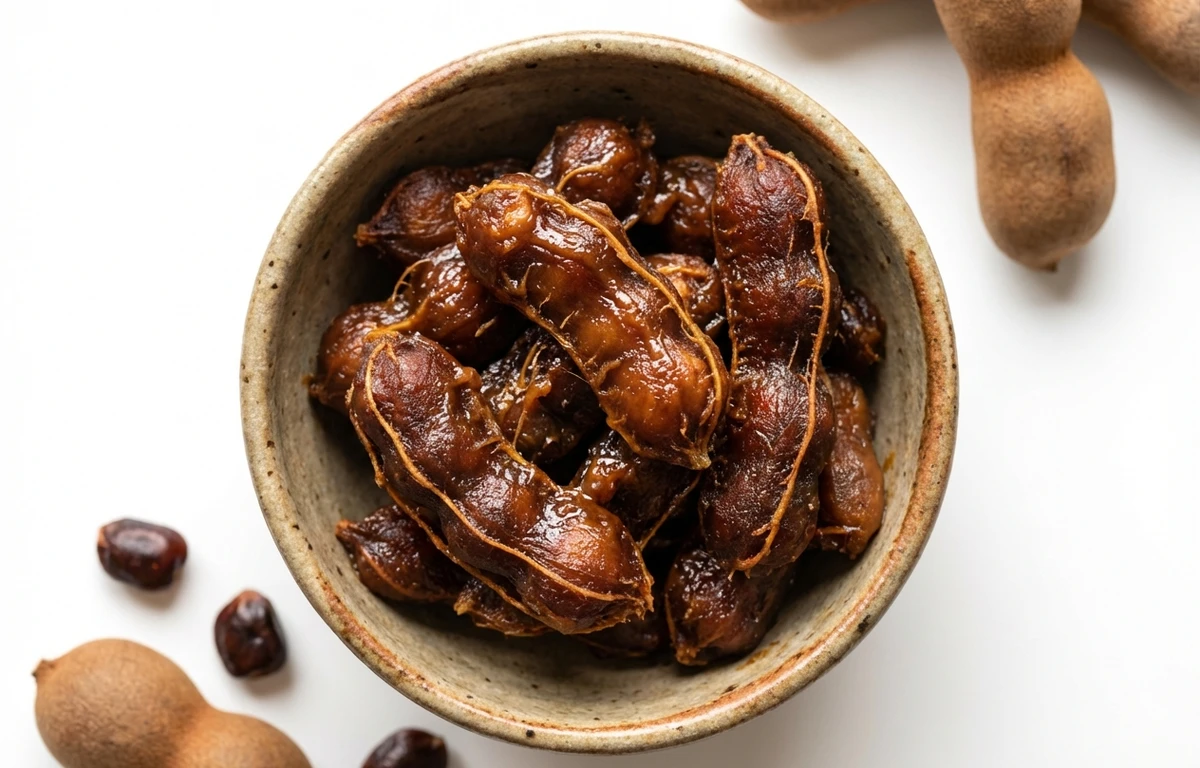
pulp tamarind.
VegetarianVeganGluten-freeDairy-freeNut-freePeanut-freeSoy-freeEgg-freeShellfish-freeHoney-freeAlcohol-free
SERVING
CALORIES
288
PROTEIN
2.9g
CARBS
67.3g
FAT
0.15g
FIBER
5.3g
NUTRITION PROFILE · per 100 g
Everything in this ingredient.
MACRONUTRIENTS
Calories288kcal—
Protein2.9g6%
Carbohydrates67.3g24%
Fiber5.3g19%
Sugar52.9g106%
Total fat0.15g0%
Saturated fat0.03g0%
Trans fat0g—
Cholesterol0mg0%
Water20.8g—
MINERALS
Sodium24.9mg1%
Potassium836mg18%
Calcium149mg11%
Iron9.2mg51%
Magnesium82.7mg20%
Phosphorus113mg9%
Zinc0.58mg5%
Copper0.50mg56%
Manganese0.52mg23%
Selenium2.0µg4%
VITAMINS
Vitamin A1.5µg0%
Vitamin C3.6mg4%
Vitamin D25.6µg128%
Vitamin E0.10mg1%
Vitamin K1.7µg1%
Thiamin (B1)0.34mg28%
Riboflavin (B2)0.07mg5%
Niacin (B3)1.6mg10%
Pantothenic acid (B5)0.17mg3%
Vitamin B60.08mg5%
Biotin (B7)0.66µg2%
Folate (B9)9.8µg2%
%DV based on a 2,000 cal diet. Source: USDA FoodData Central. A dash in the %DV column means there’s no established Daily Value for that nutrient.
MEASUREMENT CONVERSIONS
How much is what.
1 cup319.4g
1 tablespoon20g
1 teaspoon6.7g
1 oz28.4g
1 lb453.6g
1 ml1.4g
1 liter1350g
HEALTH BENEFITS
Why eat it.
- ✓Rich in antioxidants, particularly polyphenols, which help combat oxidative stress and inflammation.
- ✓Acts as a natural laxative due to its high content of malic acid, tartaric acid, and potassium.
- ✓A good source of magnesium, an essential mineral for nerve function, blood pressure regulation, and bone health.
- ✓May help lower bad cholesterol (LDL) and triglyceride levels, supporting heart health.
COOKING TIPS
In the kitchen.
- 1To prepare from a block, soak a portion in hot water for 20-30 minutes, then mash the pulp with your fingers and strain it through a sieve to get a smooth liquid.
- 2Use its distinct sweet-sour flavor to balance dishes; it's a key ingredient in Pad Thai, Worcestershire sauce, chutneys, and South Indian rasam or sambar.
- 3The natural acidity in tamarind makes it an excellent tenderizer for meat and poultry marinades.
- 4Start with a small amount and taste as you go, as its potency can vary between brands and forms (paste vs. concentrate).
STORAGE
Keep it fresh.
- Store solid tamarind pulp blocks or paste in an airtight container in a cool, dark pantry for several months, or refrigerate for up to a year.
- Prepared tamarind water or concentrate should be stored in the refrigerator in a sealed container and used within a week.
FAQ
Frequently asked questions.
Is tamarind pulp healthy?
Yes, tamarind pulp is considered healthy due to its rich content of antioxidants, particularly polyphenols, which help combat oxidative stress. It's also a good source of essential minerals like magnesium and potassium, supporting various bodily functions and potentially aiding heart health.
What are the main health benefits of tamarind pulp?
Tamarind pulp offers several benefits, including acting as a natural laxative due to its organic acids, which can aid digestion. Its antioxidant properties help reduce inflammation, and it may contribute to lowering bad cholesterol (LDL) and triglyceride levels, supporting cardiovascular health.
What is the nutritional content of 100g of tamarind pulp?
Per 100g, tamarind pulp contains approximately 288.48 calories, 2.92g of protein, 67.35g of carbohydrates, and a very low 0.15g of fat. It's primarily a source of energy from carbohydrates, along with dietary fiber and various micronutrients.
Is tamarind pulp good for digestion?
Yes, tamarind pulp is well-known for its digestive benefits. Its high content of malic acid, tartaric acid, and potassium gives it natural laxative properties, which can help relieve constipation and promote regular bowel movements.
Is tamarind pulp suitable for vegans and those on a gluten-free diet?
Yes, tamarind pulp is naturally vegan as it is derived solely from the tamarind fruit. It is also naturally gluten-free, making it a suitable ingredient for individuals following a gluten-free diet. Always check product labels for any added ingredients if purchasing processed forms.
Can people with diabetes consume tamarind pulp?
While tamarind pulp offers health benefits, it is high in carbohydrates and natural sugars. Diabetics should consume it in moderation and account for its carbohydrate content in their meal planning. Consulting a healthcare professional or dietitian for personalized advice is recommended.
How is tamarind pulp typically used in cooking?
Tamarind pulp is a versatile ingredient used to add a distinctive sweet-sour flavor to dishes. It's a staple in many Asian, Latin American, and African cuisines, commonly found in curries, chutneys, sauces, marinades, beverages, and desserts like pad Thai or sambar.
What does tamarind pulp taste like?
Tamarind pulp has a unique taste profile that is intensely sweet and sour, with fruity undertones. The flavor can range from very tart to pleasantly sweet depending on the ripeness and preparation, often described as a blend of dates, lemons, and apricots.
How should I store tamarind pulp, and how long does it last?
Unprocessed tamarind pulp (block form) should be stored in a cool, dry place, where it can last for several months to a year. Once rehydrated or processed into a paste, it's best kept refrigerated in an airtight container and typically lasts for 2-3 weeks, or it can be frozen for longer storage.
Is tamarind pulp keto-friendly or low-carb?
No, tamarind pulp is not considered keto-friendly or low-carb. With approximately 67.35g of carbohydrates per 100g, it contains a significant amount of natural sugars, making it unsuitable for strict ketogenic or very low-carb diets.



















