
Loading...
Per 100g
Nutrition data source: USDA FoodData Central
Common measurement equivalents in grams
Yes, Punjabi Wadi is a nutritious, high-protein food made from ground lentils. It is rich in dietary fiber, iron, and magnesium while being naturally low in fat and cholesterol-free, making it a heart-healthy addition to a balanced diet.
Punjabi Wadi is an excellent plant-based protein source, providing approximately 24g of protein per 100g. This high protein content makes it a popular meat substitute in vegetarian diets for muscle repair and growth.
Punjabi Wadi is 100% vegan as it is made from lentils and spices. While lentils are naturally gluten-free, some commercial brands may use asafoetida (hing) which contains wheat flour, so those with Celiac disease should check the label for gluten-free certification.
It can be beneficial for weight loss because its high fiber and protein content promote satiety, helping you feel full for longer. However, it is calorie-dense at 345 calories per 100g, so portion control is important.
To cook Punjabi Wadi, first break it into small chunks and lightly sauté them in oil until golden brown. Then, simmer the pieces in a gravy, soup, or with vegetables like potatoes until they are soft and have absorbed the surrounding flavors.
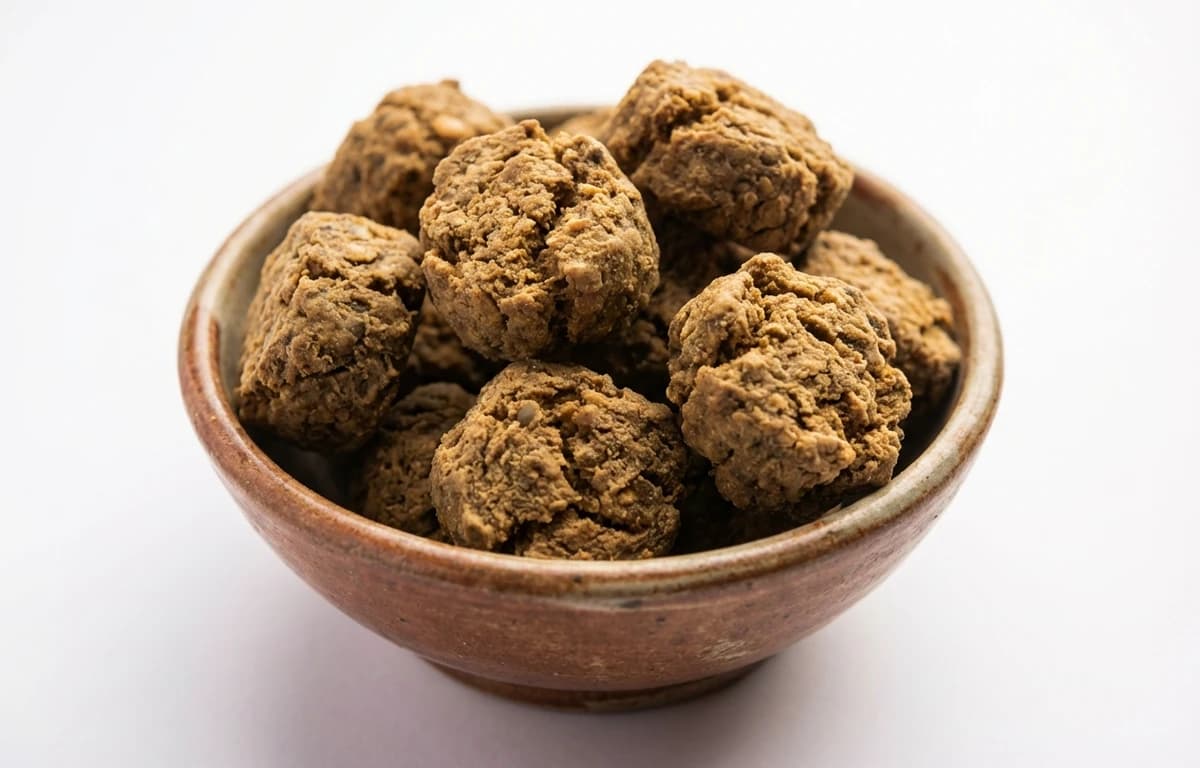
It has a robust, savory, and often spicy flavor profile due to the inclusion of black pepper, cumin, and chilies. Once cooked, it has a firm, slightly chewy texture similar to a dense dumpling or meatball.
No, Punjabi Wadi should not be eaten raw. It is a sun-dried product made from raw lentil paste and requires thorough cooking or simmering in liquid to become digestible and safe to eat.
Punjabi Wadi is a versatile ingredient found in cuisines around the world. With 345 calories per 100g and 24 grams of protein, it's a nutritious addition to many dishes.
Explore more ingredients in the legume product category with complete nutrition information.
View all legume product →Discover 1 recipes featuring punjabi wadi with step-by-step instructions.
Browse recipes →Store Punjabi Wadi in an airtight container in a cool, dry place away from moisture. Because it is sun-dried and preserved with spices, it has a long shelf life and can last for 6 to 12 months if kept dry.
No, Punjabi Wadi is not suitable for a strict keto diet. It contains approximately 58g of carbohydrates per 100g, which is too high for those trying to maintain a state of ketosis.
Yes, diabetics can eat Punjabi Wadi in moderation. Its high fiber content helps slow down the absorption of sugar, but because it is also high in carbohydrates, it should be balanced with low-carb vegetables in the same meal.