
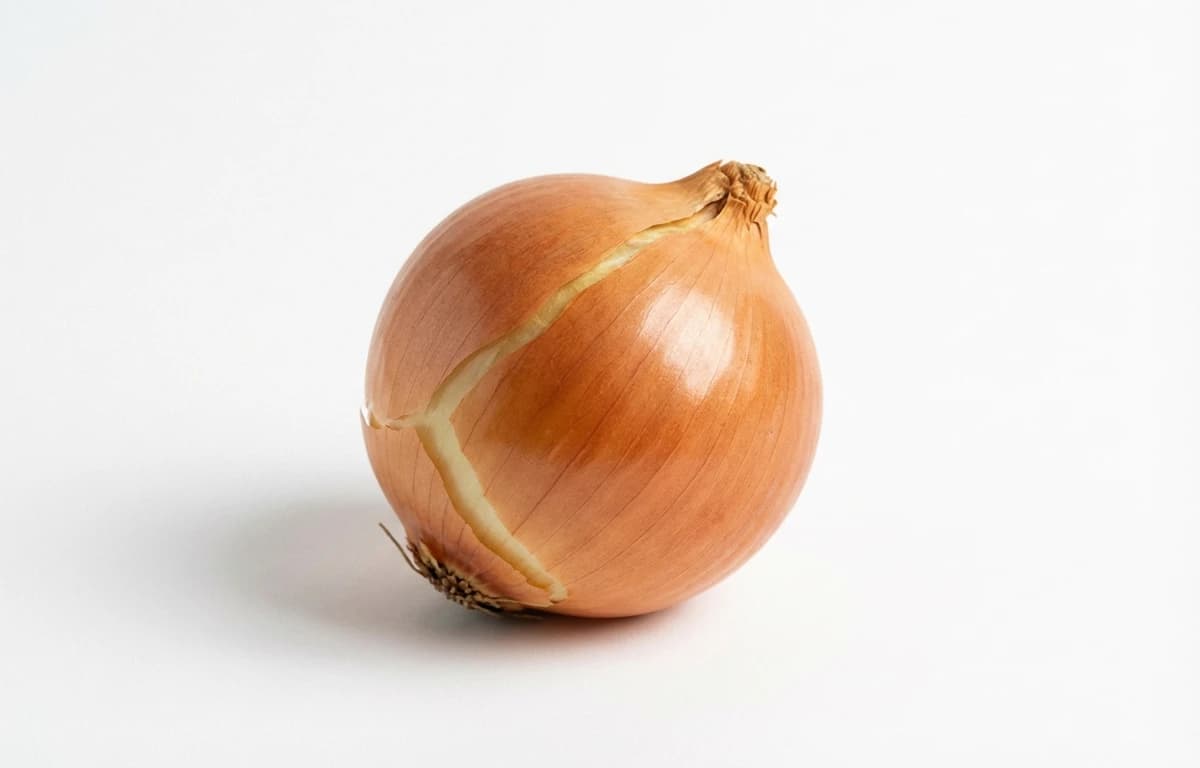
pyaj
Also known as:
Loading...
Also known as:
Per 100g
Nutrition data source: USDA FoodData Central
Yes, pyaj is very healthy and nutrient-dense. It's rich in antioxidants like quercetin, which has anti-inflammatory properties, and contains sulfur compounds that support heart health by potentially reducing cholesterol and blood pressure. It also provides vitamin C for immune function and prebiotic fibers for gut health.
Per 100g, pyaj contains approximately 40 calories, 1.1g protein, 9.34g carbohydrates, and 0.1g fat. Beyond these macronutrients, it's a good source of vitamin C, B vitamins, and minerals like potassium. Its significant health benefits come from its high content of antioxidants and beneficial sulfur compounds.
Yes, pyaj can be a beneficial addition to a weight loss diet. It is very low in calories and fat, while providing dietary fiber that can help promote satiety and support healthy digestion. Its rich nutrient profile also ensures you're getting essential vitamins and minerals without excess calories.
Yes, pyaj is a vegetable and is naturally suitable for both vegan and vegetarian diets. It is a staple ingredient in many plant-based cuisines worldwide, adding flavor and nutritional value to a wide array of dishes.
Yes, pyaj is generally safe for diabetics. It has a low glycemic index and contains fiber, which can help in managing blood sugar levels. Its beneficial compounds may also help improve insulin sensitivity. As with any food, moderation is key.
Pyaj is incredibly versatile in cooking. It can be sautéed, roasted, grilled, caramelized, fried, or used raw. Cooking methods like sautéing or caramelizing bring out its natural sweetness, while raw pyaj adds a pungent, sharp flavor to dishes.
pyaj is a versatile ingredient found in cuisines around the world. With 40 calories per 100g and 1.1 grams of protein, it's a nutritious addition to many dishes.
Explore more ingredients in the vegetable category with complete nutrition information.
View all vegetable →Raw pyaj has a pungent, sharp, and slightly spicy flavor due to its sulfur compounds. When cooked, especially slowly caramelized, its flavor transforms into a much milder, sweeter, and more savory profile, adding depth to dishes.
Whole, unpeeled pyaj should be stored in a cool, dry, dark, and well-ventilated place, away from direct sunlight and potatoes. Avoid refrigerating whole onions as the moisture can make them soft and spoil faster. Once cut, store pyaj in an airtight container in the refrigerator and use within a few days.
When stored properly in a cool, dry place, whole pyaj can last for several weeks to a few months, depending on the variety and storage conditions. Sweet onions tend to have a shorter shelf life than pungent varieties. Cut pyaj should be used within 2-3 days.
Cutting pyaj releases sulfur compounds, specifically syn-propanethial-S-oxide, which are volatile gases. When these gases come into contact with the water in your eyes, they form a mild sulfuric acid, causing irritation, stinging, and the production of tears as a protective response.