Other
quahogs.
VegetarianVeganGluten-freeDairy-freeNut-freePeanut-freeSoy-freeEgg-freeShellfish-freeHoney-freeAlcohol-freeKosher
ALSO KNOWN AS
hard clams
SERVING
CALORIES
74
PROTEIN
12.8g
CARBS
2.9g
FAT
0.90g
FIBER
0g
This ingredient is flagged as naturally gluten-free. Per 100 g, it provides 0.10 µg of vitamin K.
NUTRITION PROFILE · per 100 g
Everything in this ingredient.
MACRONUTRIENTS
Calories74kcal—
Protein12.8g26%
Carbohydrates2.9g1%
Fiber0g0%
Sugar0g0%
Total fat0.90g1%
Saturated fat0.20g1%
Cholesterol34mg11%
MINERALS
Sodium56mg2%
Potassium218mg5%
Calcium51mg4%
Iron3.1mg17%
Magnesium58mg14%
Phosphorus210mg17%
Zinc1.6mg15%
Copper0.16mg18%
Manganese0.04mg2%
Selenium25.5µg46%
VITAMINS
Vitamin A1.0µg0%
Vitamin C13.1mg15%
Vitamin D0µg0%
Vitamin E0.20mg1%
Vitamin K0.10µg0%
Thiamin (B1)0.15mg13%
Riboflavin (B2)0.20mg15%
Niacin (B3)1.7mg11%
Pantothenic acid (B5)0.30mg6%
Vitamin B60.05mg3%
Folate (B9)16µg4%
Vitamin B1228.8µg1200%
%DV based on a 2,000 cal diet. Source: USDA FoodData Central. A dash in the %DV column means there’s no established Daily Value for that nutrient.
MEASUREMENT CONVERSIONS
How much is what.
1 piece200g
HEALTH BENEFITS
Why eat it.
- ✓Excellent source of lean protein, essential for muscle building and repair.
- ✓Extremely rich in Vitamin B12, which is crucial for nerve function and the formation of red blood cells.
COOKING TIPS
In the kitchen.
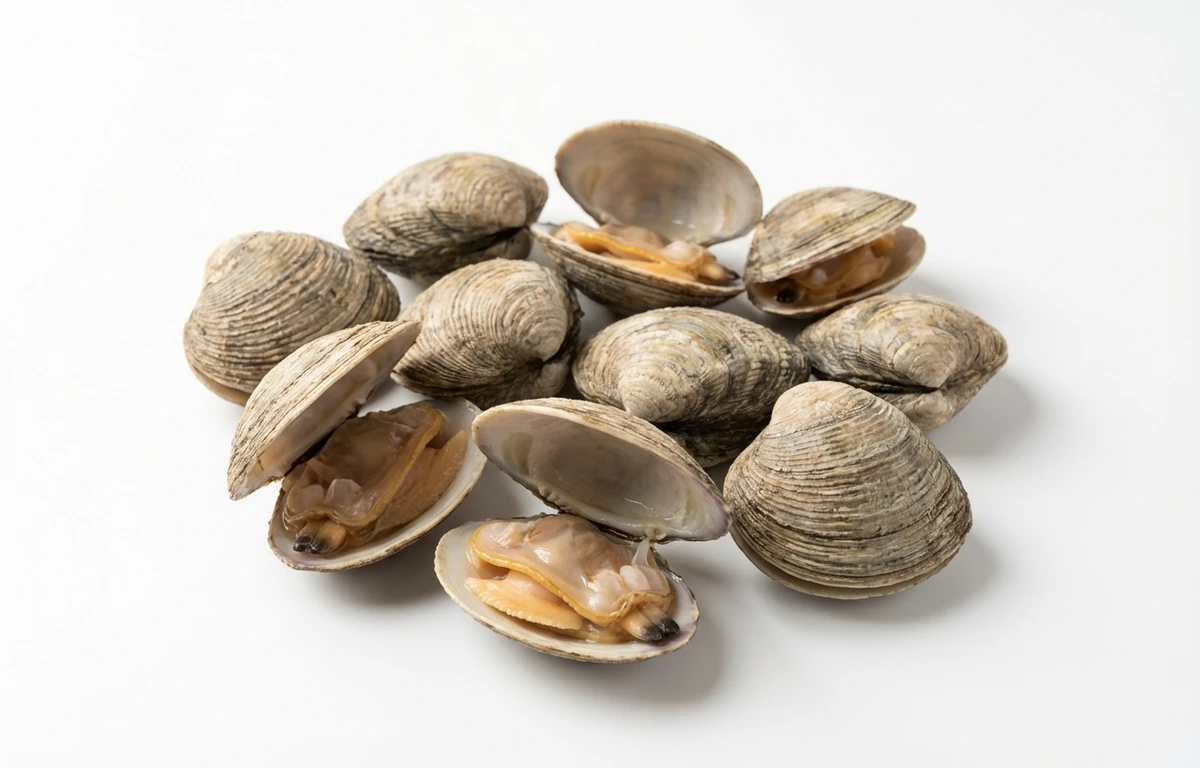
- 1Before cooking, scrub the shells thoroughly under cold running water to remove any sand or grit.
- 2Discard any quahogs that have broken shells or that do not close tightly when tapped, as they are likely dead and unsafe to eat.
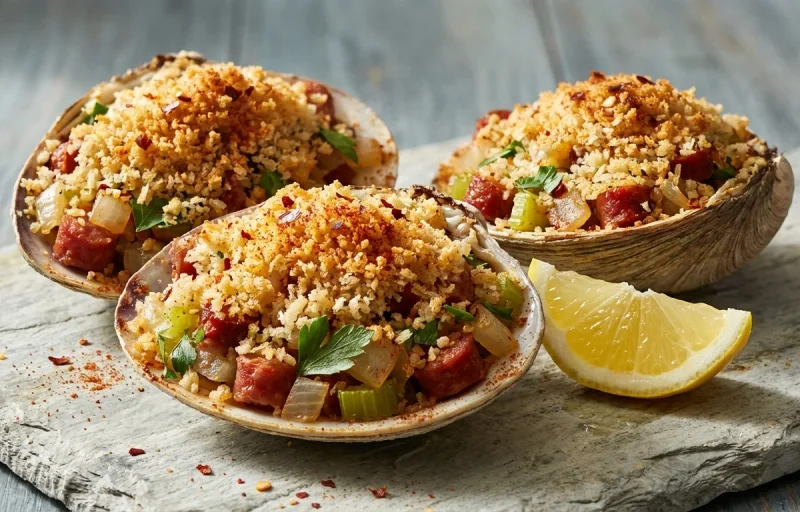
- 3Quahogs are versatile and can be steamed, grilled, baked (as in clams casino), or chopped for use in chowders and stuffies.
- 4Cook just until the shells open wide. Overcooking will result in tough, rubbery meat.
STORAGE
Keep it fresh.
- Store live quahogs in the refrigerator in a mesh bag or open container covered with a damp cloth. Do not store them in water or a sealed plastic bag. Use within 2 days.
- Shucked quahog meat should be stored in its own liquor in an airtight container in the refrigerator and used within 2 days.
- Cooked quahog meat can be refrigerated for up to 3 days or frozen for up to 3 months.
FAQ
Frequently asked questions.
What is the nutritional content of quahogs?
Per 100g, quahogs are low in calories, providing about 74 calories. They are rich in protein with 12.8g, very low in fat at 0.9g, and contain 2.9g of carbohydrates. This makes them a nutrient-dense food.
Are quahogs gluten-free?
Yes, quahogs are naturally gluten-free. As a shellfish, they do not contain any gluten. However, always check ingredients if consuming processed quahog products like canned chowder, as additives might contain gluten.
Are quahogs keto-friendly?
Yes, quahogs are very keto-friendly. With only 2.9g of carbohydrates and 0.9g of fat per 100g, alongside a high protein content, they fit well into a ketogenic diet. They provide essential nutrients without significant carbs.
How do you cook quahogs?
Quahogs are versatile and can be cooked in many ways. Popular methods include steaming, grilling, baking, or incorporating them into chowders, stews, and pasta dishes. Ensure they open during cooking, discarding any that remain closed.
What do quahogs taste like?
Quahogs have a distinct briny, sweet, and slightly chewy flavor, characteristic of ocean clams. Larger quahogs, like chowder clams, tend to have a stronger, more robust flavor and a firmer texture compared to smaller varieties.
How do you store fresh quahogs?
Fresh, live quahogs should be stored in the refrigerator, covered with a damp cloth or paper towel, in an open container or mesh bag. Do not store them in airtight containers or submerged in water, as they need to breathe. They can typically be stored for 2-3 days.
How do you know if quahogs are fresh?
Fresh quahogs should be tightly closed or close when tapped. They should have a mild, briny smell, not a strong 'fishy' odor. Discard any quahogs that are open and don't close, or those with cracked shells.
Can you eat quahogs raw?
While some people consume very fresh, high-quality quahogs raw (e.g., on the half shell), it carries a risk of foodborne illness, especially for vulnerable populations. Cooking quahogs thoroughly is generally recommended to eliminate potential bacteria and viruses.
RECIPES
Cook with quahogs.
0 recipes · sorted by what’s quick