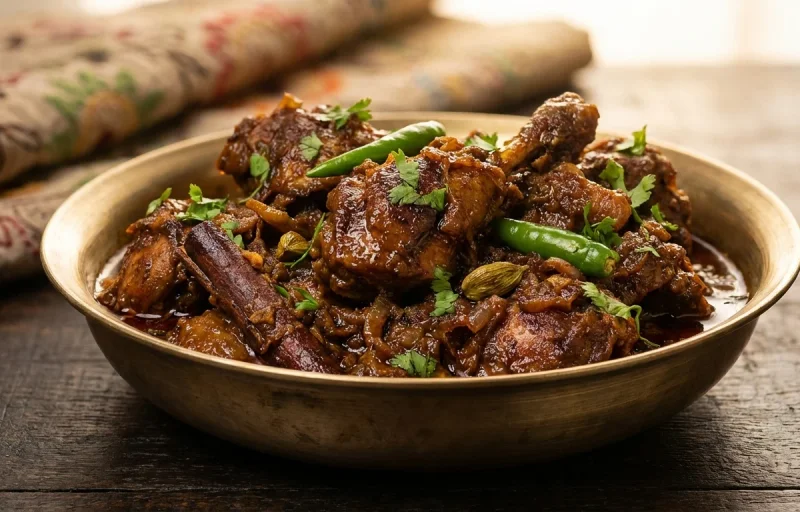
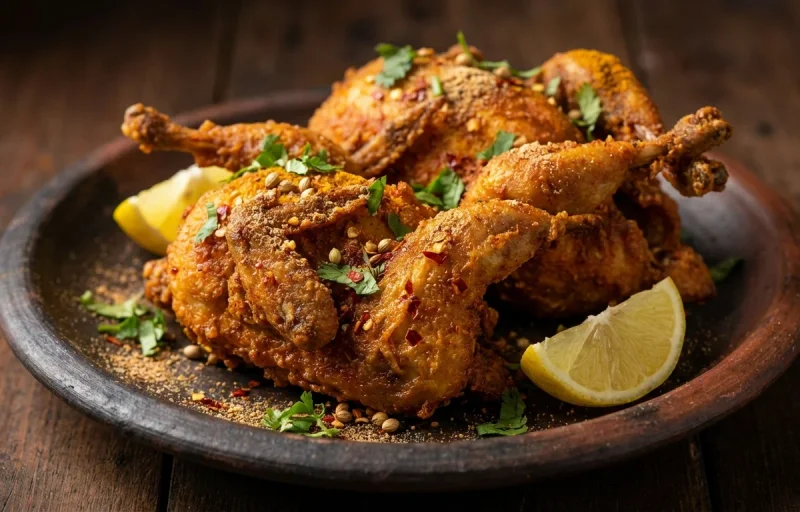
Other9 recipes
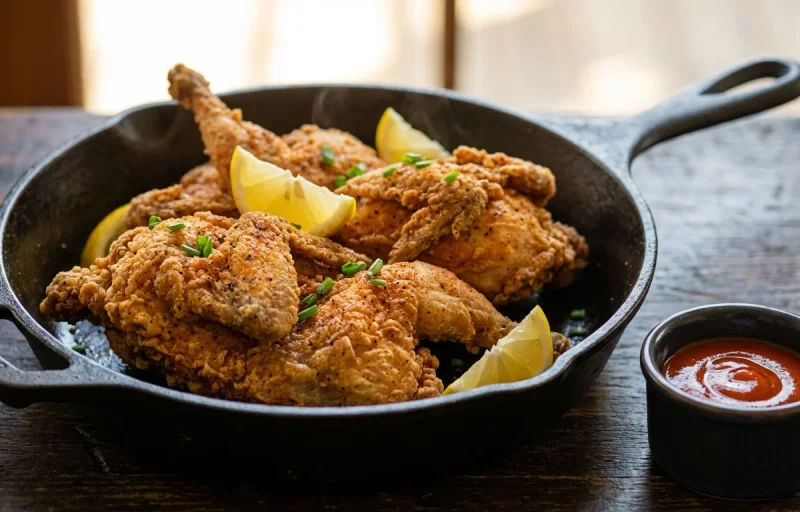
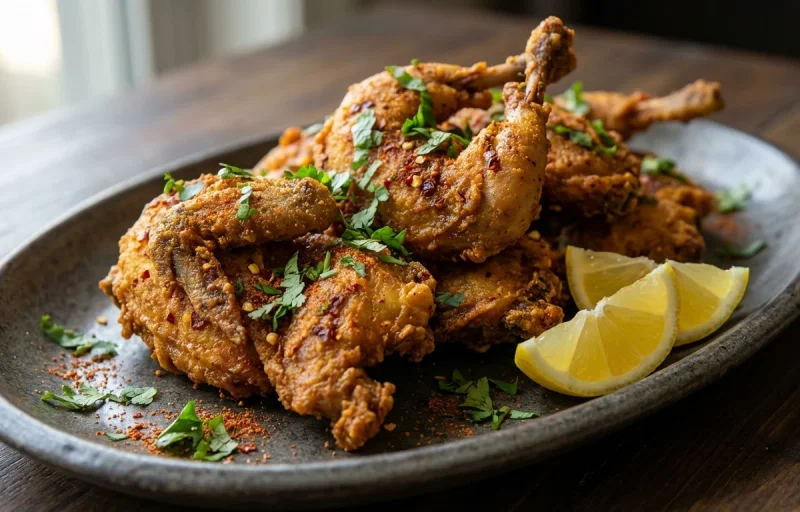
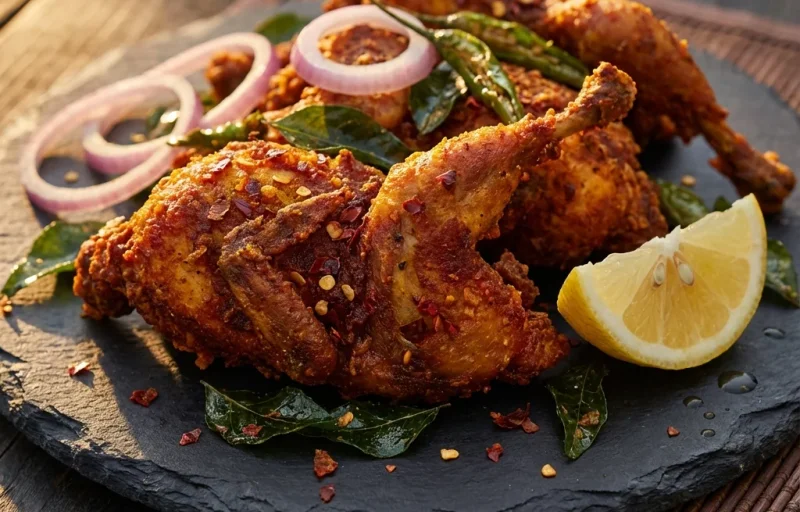
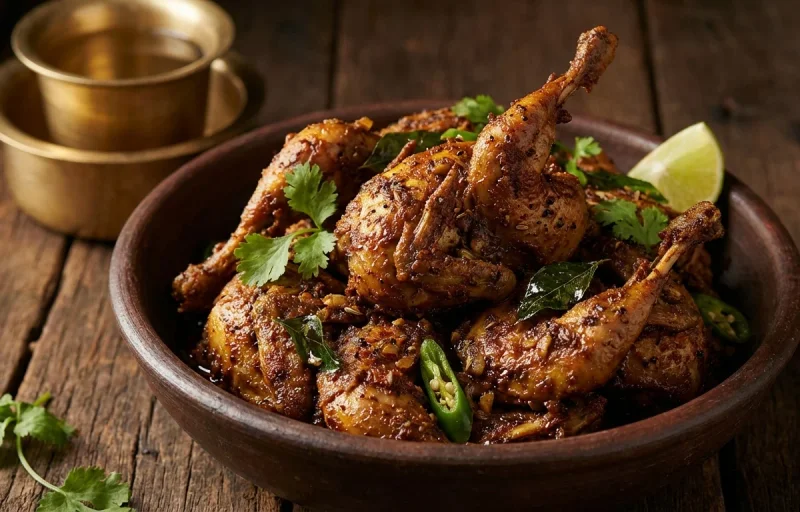
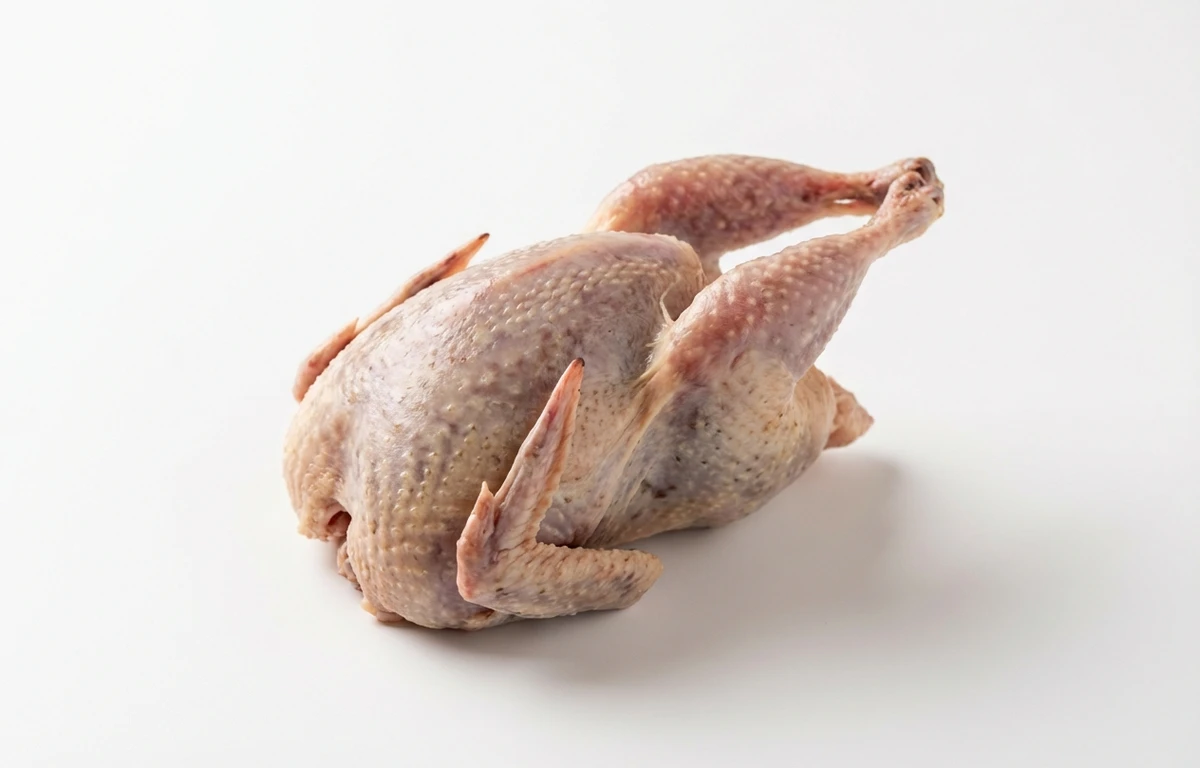
quail.
VegetarianVeganGluten-freeDairy-freeNut-freePeanut-freeSoy-freeEgg-freeShellfish-freeHoney-freeAlcohol-free
ALSO KNOWN AS
baterquailraw quail
SERVING
CALORIES
192
PROTEIN
19.6g
CARBS
0g
FAT
12.1g
FIBER
0g
This ingredient is flagged as naturally gluten-free. Per 100 g, it provides 1.1 µg of vitamin K.
NUTRITION PROFILE · per 100 g
Everything in this ingredient.
MACRONUTRIENTS
Calories192kcal—
Protein19.6g39%
Carbohydrates0g0%
Fiber0g0%
Sugar0g0%
Total fat12.1g16%
Saturated fat3.4g17%
Trans fat0g—
Cholesterol70mg23%
Water67.1g—
MINERALS
Sodium53mg2%
Potassium216mg5%
Calcium13mg1%
Iron4.0mg22%
Magnesium25mg6%
Phosphorus307mg25%
Zinc2.7mg25%
Copper0.50mg56%
Manganese0.02mg1%
Selenium17.4µg32%
VITAMINS
Vitamin A16µg2%
Vitamin C6.1mg7%
Vitamin D0.10µg1%
Vitamin E0.10mg1%
Vitamin K1.1µg1%
Thiamin (B1)0.24mg20%
Riboflavin (B2)0.26mg20%
Niacin (B3)6.5mg41%
Pantothenic acid (B5)0.79mg16%
Vitamin B60.53mg31%
Folate (B9)7.0µg2%
Vitamin B120.47µg20%
%DV based on a 2,000 cal diet. Source: USDA FoodData Central. A dash in the %DV column means there’s no established Daily Value for that nutrient.
MEASUREMENT CONVERSIONS
How much is what.
1 oz28.4g
1 lb453.6g
1 piece120g
HEALTH BENEFITS
Why eat it.
- ✓Excellent source of high-quality lean protein
- ✓Significantly higher iron content than chicken
- ✓Rich in B vitamins for energy metabolism
- ✓Contains selenium which supports thyroid function
COOKING TIPS
In the kitchen.
- 1Quail is lean and cooks very quickly; avoid overcooking to prevent dryness
- 2Baste frequently with butter or oil when roasting to maintain moisture
- 3Marinate for at least 2 hours to enhance flavor and tenderness
STORAGE
Keep it fresh.
- Store in the coldest part of the refrigerator for up to 2 days
- Freeze in airtight vacuum-sealed bags for up to 9 months
- Keep raw quail separate from other foods to prevent cross-contamination
FAQ
Frequently asked questions.
How long does raw quail last in the fridge?
Raw quail should be used within 1 to 2 days of purchase if kept refrigerated at 40°F (4°C) or below.
What does quail taste like?
Quail has a flavor similar to chicken but is slightly more earthy and gamey, often compared to the dark meat of a chicken.
Can you freeze quail?
Yes, quail freezes very well. Wrap it tightly in plastic wrap and then foil, or use a vacuum sealer, and it will last 6 to 9 months.
What is a good substitute for quail?
Cornish game hens are the best substitute. Squab (pigeon) or small pieces of chicken thigh can also work in many recipes.
How do I know if quail is cooked?
Quail is cooked when the internal temperature reaches 165°F (74°C). The juices should run clear when the thigh is pierced.
Do I need to remove the skin before cooking?
It is not necessary. The skin helps keep the lean meat moist during cooking and becomes crispy and flavorful when roasted or grilled.
How many quails should I serve per person?
Because they are small, 2 quails per person is generally considered a standard main course serving.
Is quail healthier than chicken?
Quail is more nutrient-dense than chicken, offering more iron, vitamin C, and vitamin A per gram, though it is slightly higher in cholesterol.
RECIPES
Cook with quail.
9 recipes · sorted by what’s quick