
Other
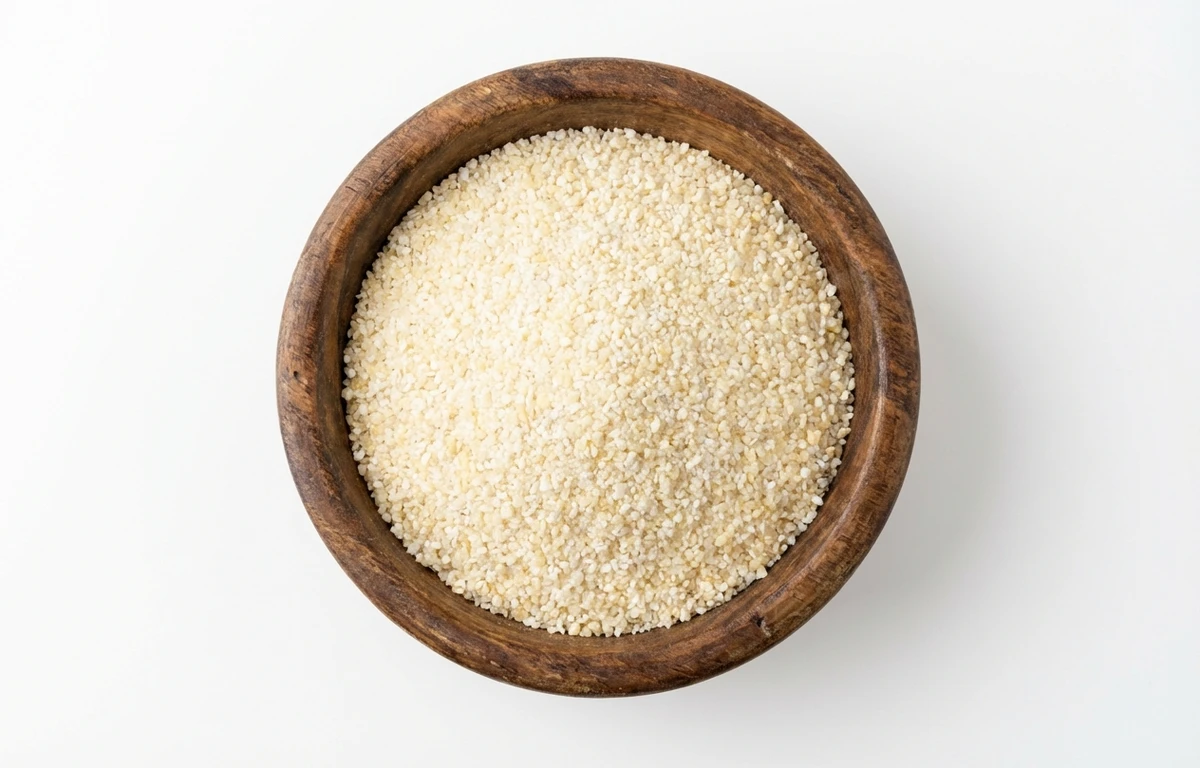
quick-cooking grits.
VegetarianVeganGluten-freeDairy-freeNut-freePeanut-freeSoy-freeEgg-freeShellfish-freeHoney-freeAlcohol-free
SERVING
CALORIES
348
PROTEIN
8.8g
CARBS
79.6g
FAT
1.2g
FIBER
4.8g
This ingredient is flagged as naturally gluten-free. Per 100 g, it provides 1.5 µg of vitamin K.
NUTRITION PROFILE · per 100 g
Everything in this ingredient.
MACRONUTRIENTS
Calories348kcal—
Protein8.8g18%
Carbohydrates79.6g29%
Fiber4.8g17%
Sugar0.30g1%
Total fat1.2g2%
Saturated fat0.16g1%
Trans fat0g—
Cholesterol0mg0%
Water10g—
MINERALS
Sodium1.0mg0%
Potassium137mg3%
Calcium2.0mg0%
Iron4.4mg25%
Magnesium28mg7%
Phosphorus118mg9%
Zinc1.0mg9%
Copper0.10mg11%
Manganese0.40mg17%
Selenium2.5µg5%
VITAMINS
Vitamin A0µg0%
Vitamin C0mg0%
Vitamin D0µg0%
Vitamin E0.10mg1%
Vitamin K1.5µg1%
Thiamin (B1)0.12mg10%
Riboflavin (B2)0.08mg6%
Niacin (B3)1.8mg11%
Pantothenic acid (B5)0.60mg12%
Vitamin B60.15mg9%
Folate (B9)22µg6%
Vitamin B120µg0%
%DV based on a 2,000 cal diet. Source: USDA FoodData Central. A dash in the %DV column means there’s no established Daily Value for that nutrient.
MEASUREMENT CONVERSIONS
How much is what.
1 cup170g
1 tablespoon10.5g
1 teaspoon3.5g
1 ml0.7g
1 liter700g
HEALTH BENEFITS
Why eat it.
- ✓Provides a quick source of energy from carbohydrates.
- ✓Often enriched with iron, which is essential for oxygen transport in the blood.
- ✓Fortified varieties are a good source of B vitamins, including folate, niacin, and thiamin, which support metabolism.
- ✓Naturally low in fat and cholesterol, making it a suitable base for a heart-healthy meal.
COOKING TIPS
In the kitchen.
- 1To prevent lumps, bring your liquid (water, broth, or milk) to a boil first, then slowly whisk in the grits.
- 2The typical ratio is 4 parts liquid to 1 part quick grits. For thicker grits, use slightly less liquid; for thinner, use more.
- 3Quick grits cook in about 5 to 7 minutes. Stir frequently to prevent them from sticking to the bottom of the pot.
- 4Season well after cooking. Grits have a very mild flavor and benefit greatly from salt, butter, cheese, or herbs.
STORAGE
Keep it fresh.
- Store unopened packages in a cool, dry, and dark place like a pantry.
- After opening, transfer grits to an airtight container to protect them from moisture, pests, and absorbing other odors. Use within one year for best quality.
FAQ
Frequently asked questions.
Are quick-cooking grits healthy?
Quick-cooking grits can be a healthy part of a balanced diet, primarily providing a quick source of energy from carbohydrates. Many varieties are enriched with iron and B vitamins (like folate, niacin, and thiamin), which support metabolism and oxygen transport. They are naturally low in fat and cholesterol, making them a suitable base for various meals.
What are the nutritional values of quick-cooking grits?
Per 100g, quick-cooking grits typically contain around 348 calories, 8.8g of protein, 79.6g of carbohydrates, and 1.2g of fat. These values can vary slightly based on the brand and whether they are enriched or fortified. They are primarily a source of complex carbohydrates.
Are quick-cooking grits vegan?
Yes, quick-cooking grits themselves are vegan, as they are made solely from corn. However, they are often prepared with non-vegan ingredients like butter, cheese, or milk. To keep them vegan, prepare them with water or plant-based milk and vegan seasonings.
How do you cook quick-cooking grits?
To cook quick-cooking grits, bring water or milk (typically 4 cups liquid to 1 cup grits) to a boil, then slowly whisk in the grits. Reduce heat to low, cover, and simmer for about 5-7 minutes, stirring occasionally until thickened. Season with salt, butter, or other desired additions.
What do quick-cooking grits taste like?
Quick-cooking grits have a mild, slightly sweet corn flavor and a creamy, smooth texture when cooked. They are often considered a blank canvas, readily absorbing the flavors of whatever they are cooked with or seasoned with, such as salt, butter, cheese, or savory spices.
How should I store quick-cooking grits?
Uncooked quick-cooking grits should be stored in a cool, dry place, preferably in an airtight container, to protect them from moisture and pantry pests. Properly stored, they can last for up to a year. Cooked grits can be refrigerated in an airtight container for 3-4 days.
What is the difference between quick-cooking grits and regular grits?
The main difference lies in their processing and cooking time. Quick-cooking grits are more finely ground and often pre-cooked or steamed, allowing them to cook much faster (5-7 minutes) compared to regular grits (15-20 minutes) or stone-ground grits (30-45 minutes). This processing also gives them a smoother, less coarse texture.



















