
Grain
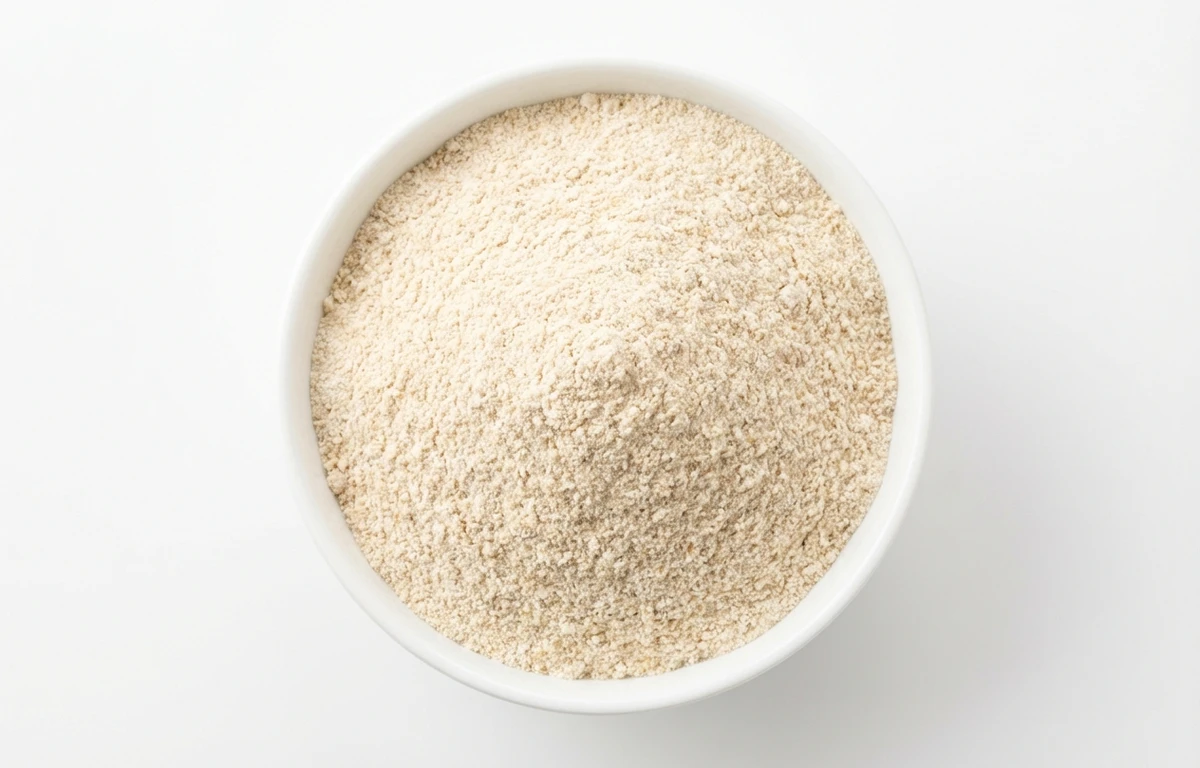
quinoa flour.
VegetarianVeganGluten-freeDairy-freeNut-freePeanut-freeSoy-freeEgg-freeShellfish-freeHoney-freeAlcohol-freeWhole grain
SERVING
CALORIES
393
PROTEIN
14.3g
CARBS
64.2g
FAT
6.1g
FIBER
7.0g
NUTRITION PROFILE · per 100 g
Everything in this ingredient.
MACRONUTRIENTS
Calories393kcal—
Protein14.3g29%
Carbohydrates64.2g23%
Fiber7.0g25%
Sugar2.0g4%
Total fat6.1g8%
Saturated fat0.70g3%
Trans fat0g—
Cholesterol0mg0%
Water9.0g—
MINERALS
Sodium5.0mg0%
Potassium563mg12%
Calcium47mg4%
Iron4.6mg26%
Magnesium197mg47%
Phosphorus457mg37%
Zinc3.1mg28%
Copper0.59mg66%
Manganese2.0mg87%
Selenium8.5µg15%
VITAMINS
Vitamin A1.0µg0%
Vitamin C0mg0%
Vitamin D0µg0%
Vitamin E2.4mg16%
Vitamin K0µg0%
Thiamin (B1)0.36mg30%
Riboflavin (B2)0.32mg25%
Niacin (B3)1.5mg9%
Pantothenic acid (B5)0.77mg15%
Vitamin B60.49mg29%
Folate (B9)184µg46%
Vitamin B120µg0%
%DV based on a 2,000 cal diet. Source: USDA FoodData Central. A dash in the %DV column means there’s no established Daily Value for that nutrient.
MEASUREMENT CONVERSIONS
How much is what.
1 cup115g
1 tablespoon7.2g
1 teaspoon2.4g
1 ml0.5g
1 liter480g
HEALTH BENEFITS
Why eat it.
- ✓Provides complete protein, containing all nine essential amino acids necessary for muscle repair and growth.
- ✓Naturally gluten-free, making it a suitable alternative for individuals with celiac disease or gluten intolerance.
- ✓High in dietary fiber, which supports digestive health, promotes satiety, and helps regulate blood sugar levels.
- ✓Rich in antioxidants and minerals such as magnesium, iron, and manganese, which contribute to overall health and cellular function.
COOKING TIPS
In the kitchen.
- 1Due to its lack of gluten, it's best to substitute only 25-50% of the wheat flour in traditional recipes to maintain structure in baked goods.
- 2Quinoa flour has a distinct nutty and slightly bitter flavor; toasting it lightly in a dry pan before use can enhance its nuttiness and reduce bitterness.
- 3It absorbs more liquid than many other flours, so you may need to increase the wet ingredients in your recipe for optimal texture.
- 4Works well as a nutrient-dense thickener for soups, stews, and sauces, or as a breading for fish and poultry.
STORAGE
Keep it fresh.
- Store in an airtight container in a cool, dark, and dry place, such as a pantry, for up to 6 months.
- For extended freshness and to prevent the natural oils from becoming rancid, store in the refrigerator or freezer for up to a year.
FAQ
Frequently asked questions.
Is quinoa flour healthy?
Yes, quinoa flour is highly nutritious. It's a complete protein, providing all nine essential amino acids, and is rich in dietary fiber, antioxidants, and minerals like magnesium, iron, and manganese. These nutrients support overall health, digestion, and cellular function.
How much protein and calories are in quinoa flour?
Per 100 grams, quinoa flour contains approximately 393 calories and 14.3 grams of protein. It also provides 64.2 grams of carbohydrates and 6.1 grams of fat, making it a nutrient-dense grain flour.
Is quinoa flour gluten-free?
Yes, quinoa flour is naturally gluten-free, making it an excellent alternative for individuals with celiac disease, gluten sensitivity, or those following a gluten-free diet. It can be used in various gluten-free baking and cooking applications.
Is quinoa flour good for weight loss?
Quinoa flour can be beneficial for weight management due to its high fiber and protein content. Fiber promotes satiety, helping you feel full longer, while protein supports muscle mass and metabolism. However, like all flours, it should be consumed in moderation as part of a balanced diet.
What does quinoa flour taste like?
Quinoa flour has a distinct, slightly nutty and earthy flavor. Some people detect a subtle bitterness, which can be more pronounced if the quinoa wasn't thoroughly rinsed before being milled. This unique taste can add depth to baked goods.
How do you bake with quinoa flour?
Quinoa flour can be used in baking, often in combination with other gluten-free flours, as it lacks the elasticity of wheat flour. It's great for muffins, pancakes, cookies, and some breads. A common ratio is to substitute 25-50% of wheat flour with quinoa flour in recipes, or use it as a primary flour in gluten-free blends.
Can diabetics eat quinoa flour?
Yes, diabetics can generally eat quinoa flour in moderation. Its high fiber content helps regulate blood sugar levels by slowing down glucose absorption. However, it still contains carbohydrates, so portion control is important, and it should be factored into daily carbohydrate intake.
How should you store quinoa flour?
Quinoa flour should be stored in an airtight container in a cool, dark, and dry place to maintain its freshness and prevent rancidity. For longer shelf life, especially in warmer climates, it can be stored in the refrigerator or freezer.
Is quinoa flour keto-friendly?
No, quinoa flour is generally not considered keto-friendly. With 64.2 grams of carbohydrates per 100 grams, it is too high in carbs to fit into the strict carbohydrate limits of a ketogenic diet.
What are the unique benefits of quinoa flour compared to other gluten-free flours?
Quinoa flour stands out among gluten-free flours because it's a complete protein, offering all essential amino acids. It's also richer in fiber and minerals like iron, magnesium, and manganese compared to many other gluten-free alternatives like rice or corn flour, providing superior nutritional value.



















