
Other
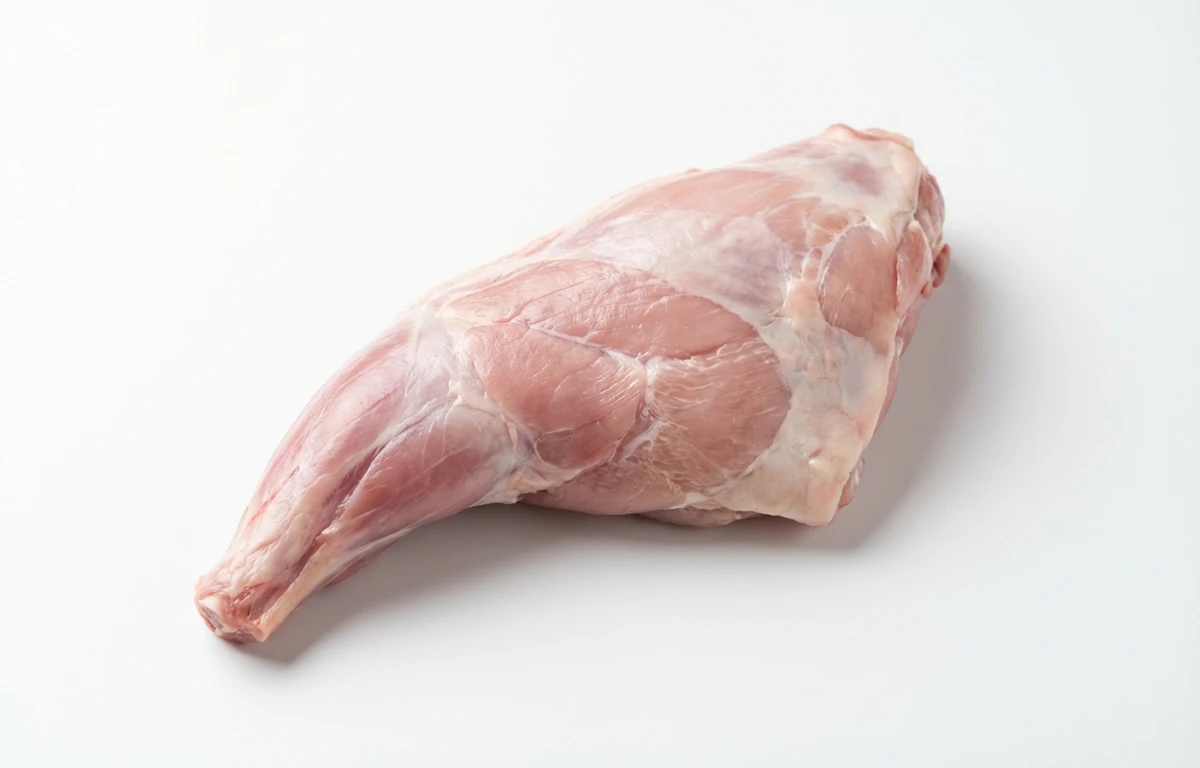
rabbit leg.
VegetarianVeganGluten-freeDairy-freeNut-freePeanut-freeSoy-freeEgg-freeShellfish-freeHoney-freeAlcohol-freeKosher
SERVING
CALORIES
140
PROTEIN
21.3g
CARBS
0g
FAT
6.0g
FIBER
0g
This ingredient is flagged as naturally gluten-free. Per 100 g, it provides 23.9 µg of vitamin K.
NUTRITION PROFILE · per 100 g
Everything in this ingredient.
MACRONUTRIENTS
Calories140kcal—
Protein21.3g43%
Carbohydrates0g0%
Fiber0g0%
Sugar0g0%
Total fat6.0g8%
Saturated fat1.6g8%
Trans fat0g—
Cholesterol76.7mg26%
Water70.3g—
MINERALS
Sodium46mg2%
Potassium389mg8%
Calcium22.3mg2%
Iron1.2mg7%
Magnesium21mg5%
Phosphorus245mg20%
Zinc1.2mg11%
Copper0.18mg20%
Manganese0.03mg1%
Selenium24.3µg44%
VITAMINS
Vitamin A8.5µg1%
Vitamin C0mg0%
Vitamin D0.43µg2%
Vitamin E0.72mg5%
Vitamin K23.9µg20%
Thiamin (B1)0.03mg3%
Riboflavin (B2)0.10mg8%
Niacin (B3)5.0mg31%
Pantothenic acid (B5)0.70mg14%
Vitamin B60.26mg15%
Biotin (B7)1.8µg6%
Folate (B9)0µg0%
%DV based on a 2,000 cal diet. Source: USDA FoodData Central. A dash in the %DV column means there’s no established Daily Value for that nutrient.
MEASUREMENT CONVERSIONS
How much is what.
1 oz28.4g
1 lb453.6g
1 piece200g
HEALTH BENEFITS
Why eat it.
- ✓Excellent source of lean protein, supporting muscle growth and maintenance.
- ✓Rich in Vitamin B12, which is crucial for nerve function and the formation of red blood cells.
- ✓Lower in cholesterol and saturated fat compared to many other meats like beef and pork.
COOKING TIPS
In the kitchen.
- 1Due to its lean nature, rabbit leg benefits from slow, moist-heat cooking methods like braising, stewing, or confit to ensure it remains tender.
- 2Marinate the legs for at least a few hours in wine, herbs, or buttermilk to add flavor and moisture before cooking.
- 3Sear the rabbit legs in a hot pan with oil or butter before braising to develop a rich, brown crust and deeper flavor.
- 4Rabbit pairs well with classic flavors such as mustard, thyme, rosemary, garlic, mushrooms, and bacon.
STORAGE
Keep it fresh.
- Store fresh rabbit legs in the coldest part of the refrigerator (at or below 40°F / 4°C) and cook within 2-3 days.
- For long-term storage, wrap tightly in plastic wrap and freezer paper or place in a vacuum-sealed bag and freeze for up to 9 months.
FAQ
Frequently asked questions.
Is rabbit leg healthy?
Yes, rabbit leg is a very healthy choice. It's an excellent source of lean protein, rich in essential nutrients like Vitamin B12, selenium, and phosphorus. It's also lower in cholesterol and saturated fat compared to many other red meats, making it beneficial for heart health.
How much protein and calories are in rabbit leg?
Per 100g, rabbit leg contains approximately 21.31g of protein and 139.58 calories. It's a high-protein, relatively low-calorie meat, making it a great option for muscle maintenance and energy.
Is rabbit leg keto-friendly?
Absolutely, rabbit leg is very keto-friendly. It contains 0g of carbohydrates, is high in protein, and has a moderate fat content, aligning perfectly with the macronutrient requirements of a ketogenic diet.
What does rabbit leg taste like?
Rabbit leg has a mild, slightly gamey flavor, often described as a cross between chicken and pork. The meat is lean and tender when cooked properly, absorbing flavors from marinades and sauces well.
How long does raw rabbit leg last in the refrigerator or freezer?
In the refrigerator, raw rabbit leg will last for 1-2 days. If frozen at 0°F (-18°C) or below, it can maintain its quality for 6-9 months. Always thaw frozen rabbit in the refrigerator before cooking.
Is rabbit leg considered halal or kosher?
Rabbit meat can be considered halal if slaughtered according to Islamic dietary laws. However, rabbit is not considered kosher in Judaism because it does not chew its cud, which is one of the requirements for an animal to be kosher.



















