
Other
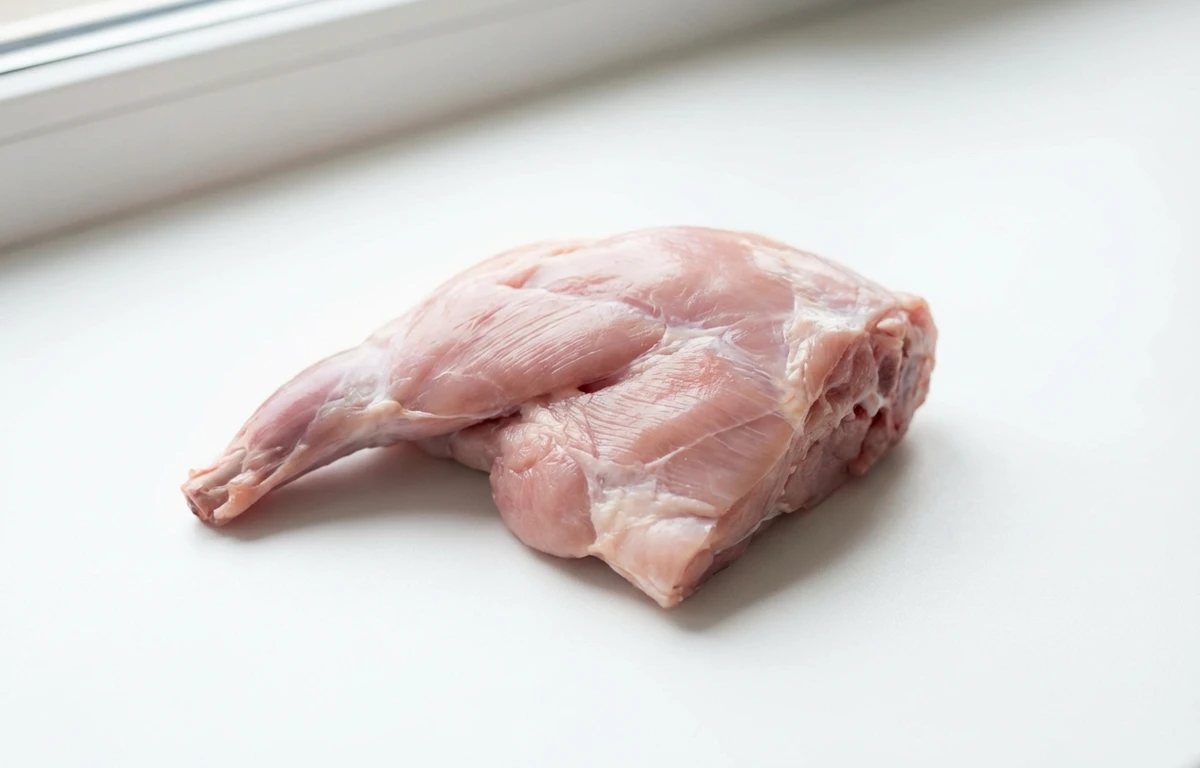
rabbit shoulder.
VegetarianVeganGluten-freeDairy-freeNut-freePeanut-freeSoy-freeEgg-freeShellfish-freeHoney-freeAlcohol-freeKosher
SERVING
CALORIES
152
PROTEIN
20g
CARBS
0g
FAT
8.0g
FIBER
0g
This ingredient is flagged as naturally gluten-free. Per 100 g, it provides 24.7 µg of vitamin K.
NUTRITION PROFILE · per 100 g
Everything in this ingredient.
MACRONUTRIENTS
Calories152kcal—
Protein20g40%
Carbohydrates0g0%
Fiber0g0%
Sugar0g0%
Total fat8.0g10%
Saturated fat3.1g16%
Trans fat0g—
Cholesterol82.6mg28%
Water70.8g—
MINERALS
Sodium61.4mg3%
Potassium361mg8%
Calcium46.4mg4%
Iron1.7mg10%
Magnesium32mg8%
Phosphorus238mg19%
Zinc2.3mg21%
Copper0.64mg71%
Manganese0.03mg1%
Selenium14.8µg27%
VITAMINS
Vitamin A5.9µg1%
Vitamin C0mg0%
Vitamin D0.57µg3%
Vitamin E1.2mg8%
Vitamin K24.7µg21%
Thiamin (B1)0.03mg3%
Riboflavin (B2)0.14mg11%
Niacin (B3)4.4mg27%
Pantothenic acid (B5)0.69mg14%
Vitamin B60.30mg18%
Biotin (B7)1.8µg6%
Folate (B9)0µg0%
%DV based on a 2,000 cal diet. Source: USDA FoodData Central. A dash in the %DV column means there’s no established Daily Value for that nutrient.
MEASUREMENT CONVERSIONS
How much is what.
1 oz28.4g
1 lb453.6g
1 piece200g
HEALTH BENEFITS
Why eat it.
- ✓Excellent source of lean protein, which is crucial for muscle repair and growth.
- ✓Lower in fat and cholesterol compared to many other meats like beef and pork.
- ✓Rich in Vitamin B12, essential for nerve function and the formation of red blood cells.
COOKING TIPS
In the kitchen.
- 1Rabbit shoulder is best suited for slow-cooking methods like braising, stewing, or confit to break down connective tissue and achieve tenderness.
- 2Marinate the shoulder for at least a few hours in wine, herbs, and aromatics to enhance flavor and moisture.
- 3Since rabbit is very lean, ensure you cook it with sufficient liquid (stock, wine) and some fat (olive oil, butter) to prevent it from drying out.
- 4Cook until the meat is fork-tender and easily pulls away from the bone, reaching an internal temperature of at least 160°F (71°C).
STORAGE
Keep it fresh.
- Store fresh rabbit shoulder in the coldest part of the refrigerator (at or below 40°F / 4°C) and cook within 1-2 days.
- For long-term storage, wrap tightly in freezer-safe packaging and freeze at 0°F / -18°C for up to 9 months.
FAQ
Frequently asked questions.
Is rabbit shoulder healthy?
Yes, rabbit shoulder is a very healthy choice. It's an excellent source of lean protein, crucial for muscle repair and growth, and is significantly lower in fat and cholesterol compared to many other meats like beef and pork. It also provides essential nutrients like Vitamin B12, selenium, and phosphorus.
How much protein and calories are in rabbit shoulder?
Per 100g, rabbit shoulder contains approximately 20.01g of protein and 151.77 calories. This makes it a high-protein, relatively low-calorie meat option, ideal for those looking to increase protein intake without excessive calories.
Is rabbit shoulder keto-friendly or low-carb?
Yes, rabbit shoulder is naturally keto-friendly and very low-carb. It contains 0g of carbohydrates per 100g, making it an ideal protein source for ketogenic, paleo, or other low-carb diets.
How do you cook rabbit shoulder?
Rabbit shoulder is best cooked using slow, moist heat methods to ensure tenderness, as it can be lean. Braising, stewing, or slow-roasting are excellent choices. It can also be pan-fried or grilled after marinating, but care should be taken not to overcook it.
What does rabbit shoulder taste like?
Rabbit shoulder has a mild, slightly gamey flavor that is often compared to chicken, but with a richer, more earthy undertone. Its texture is fine-grained and can be very tender when cooked properly, making it a versatile meat for various culinary preparations.
How long does raw rabbit shoulder last?
In the refrigerator, raw rabbit shoulder typically lasts for 1-2 days. If properly wrapped and stored in the freezer at 0°F (-18°C) or below, it can maintain its quality for up to 6-9 months. Always check for signs of spoilage before cooking.



















