
Loading...
Per 100g
Nutrition data source: USDA FoodData Central
Common measurement equivalents in grams
Yes, radish leaves are very healthy and nutritious. They are rich in essential vitamins like C and K, and provide a good amount of dietary fiber. These nutrients support immune function, bone health, and aid in digestion.
Per 100g, radish leaves contain approximately 26 calories, 2.22g protein, 2.77g carbohydrates, and 0.51g fat. They are an excellent source of Vitamin C, Vitamin K, and dietary fiber, along with important minerals like iron and calcium.
Yes, radish leaves can be beneficial for weight loss. They are very low in calories and high in dietary fiber, which helps promote satiety and aids digestion. Their nutrient density makes them a great addition to a calorie-controlled diet.
Yes, radish leaves are naturally vegan and vegetarian. As a leafy green vegetable, they are entirely plant-based and do not contain any animal products or by-products, making them suitable for these diets.
Yes, radish leaves are naturally gluten-free. They are a vegetable and do not contain any wheat, barley, rye, or other gluten-containing grains, making them safe for individuals with celiac disease or gluten sensitivity.
Yes, radish leaves are generally considered keto-friendly. With only 2.77g of carbohydrates per 100g, they are a low-carb vegetable that can easily fit into a ketogenic diet. Their high fiber content also contributes to a lower net carb count.
Radish leaves can be cooked similarly to other leafy greens like spinach or collard greens. They can be sautéed with garlic and oil, added to soups, stews, or stir-fries, or blanched and used in various dishes. Always wash them thoroughly before cooking.
radish leaves is a versatile ingredient found in cuisines around the world. With 26.05 calories per 100g and 2.22 grams of protein, it's a nutritious addition to many dishes.
Explore more ingredients in the vegetable category with complete nutrition information.
View all vegetable →Discover 0 recipes featuring radish leaves with step-by-step instructions.
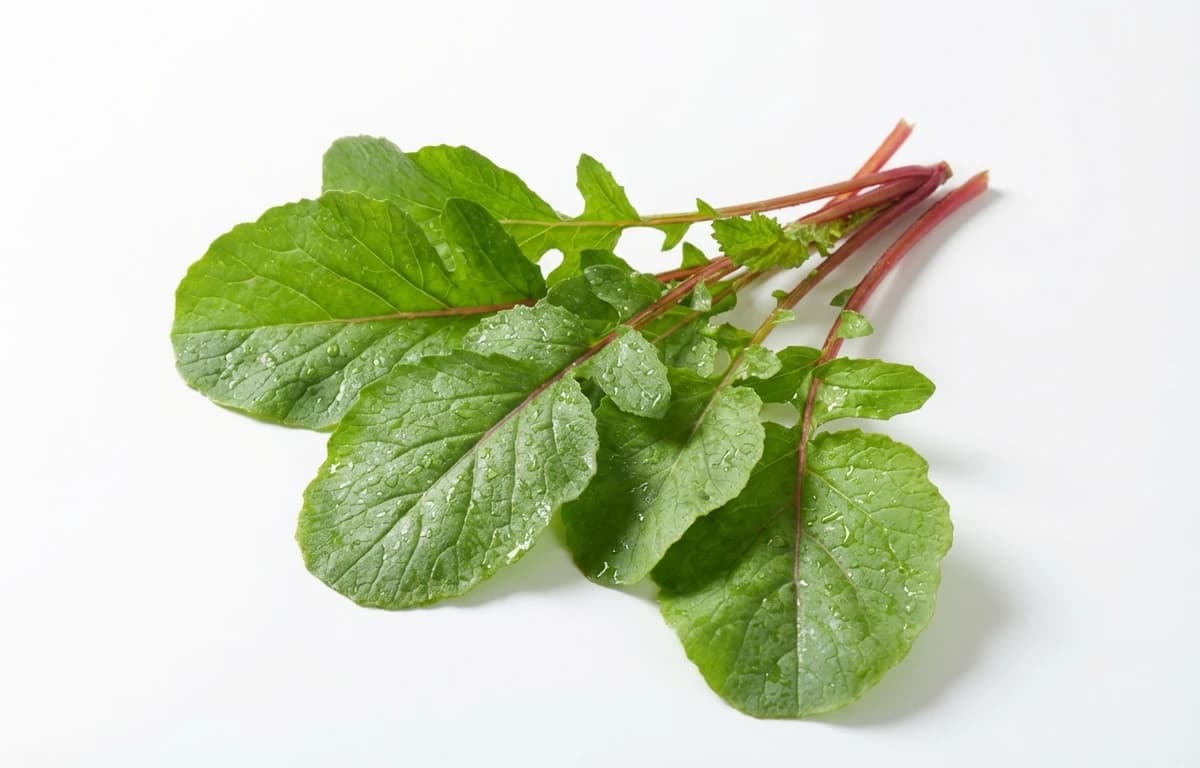
Browse recipes →Radish leaves have a slightly peppery, pungent, and earthy flavor, often compared to mustard greens or arugula. Younger leaves tend to be milder and less bitter than more mature ones, and the flavor is generally less intense than the radish root itself.
To store radish leaves, separate them from the radishes, wash them, and pat them dry. Wrap them loosely in a damp paper towel and place them in a perforated plastic bag in the refrigerator's crisper drawer. They typically stay fresh for 3-5 days.
Yes, radish leaves can be eaten raw. Younger, tender leaves are best for raw consumption and can be added to salads, sandwiches, or smoothies for a peppery kick and nutritional boost. Ensure they are thoroughly washed before consuming.