
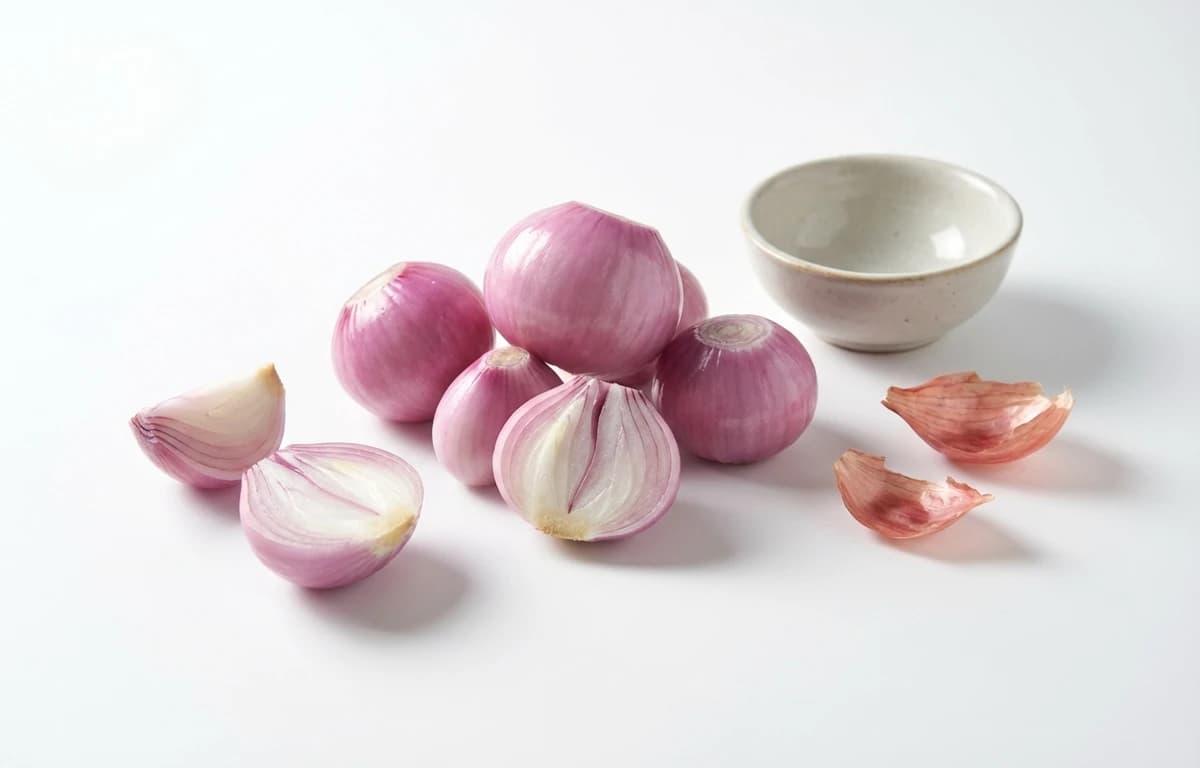
rasuna
Also known as:
Loading...
Also known as:
Per 100g
Nutrition data source: USDA FoodData Central
Yes, rasuna (garlic) is highly beneficial for health. It's known for supporting cardiovascular health by potentially lowering blood pressure and cholesterol, and contains allicin, which has potent antimicrobial and immune-boosting properties. It's also rich in antioxidants and exhibits anti-inflammatory effects.
Per 100g, rasuna contains approximately 149 calories, 6.36g of protein, 33.06g of carbohydrates, and 0.5g of fat. While it's relatively high in carbs for a vegetable, it's typically consumed in smaller quantities, providing concentrated nutrients.
Rasuna itself is not a primary weight-loss food due to its calorie and carb density per 100g. However, when used in typical serving sizes, its strong flavor can enhance meals, potentially reducing the need for high-calorie sauces or fats. Its health benefits also support overall well-being, which is crucial for weight management.
Yes, rasuna (garlic) is naturally both vegan and gluten-free. It is a plant-based vegetable and does not contain any animal products or gluten-containing grains, making it suitable for a wide range of dietary preferences.
Yes, diabetics can generally eat rasuna. While it contains carbohydrates, it's usually consumed in small amounts, so its impact on blood sugar is minimal. Some studies even suggest garlic may help improve blood sugar control and insulin sensitivity, but it should not replace prescribed medication.
Rasuna (garlic) is incredibly versatile. It can be minced, sliced, crushed, or roasted. It's often sautéed in oil as a base for many dishes, added to sauces, soups, stir-fries, or roasted whole with other vegetables. The preparation method can significantly alter its flavor intensity.
rasuna is a versatile ingredient found in cuisines around the world. With 149 calories per 100g and 6.36 grams of protein, it's a nutritious addition to many dishes.
Explore more ingredients in the vegetable category with complete nutrition information.
View all vegetable →Rasuna has a pungent, spicy, and savory flavor when raw, which mellows and sweetens significantly when cooked. Roasting brings out a nutty, caramelized sweetness, while raw rasuna offers a sharp, aromatic bite that can be quite intense.
Store whole, unpeeled rasuna bulbs in a cool, dry, dark, and well-ventilated place, like a mesh bag or an open basket. Avoid refrigeration, as it can cause sprouting and mold. Properly stored, it can last for several weeks to a few months.
Fresh rasuna bulbs should be firm, with tight, papery skin and no soft spots or mold. Avoid bulbs that are sprouting green shoots, as this indicates it's older and may have a milder flavor. Spoiled rasuna will be soft, shriveled, discolored, or have visible mold.
Yes, rasuna can be eaten raw and is often used this way in dressings, dips, and pestos. Eating it raw maximizes its allicin content, which is responsible for many of its health benefits, though it also results in a much stronger, more pungent flavor and aroma.