
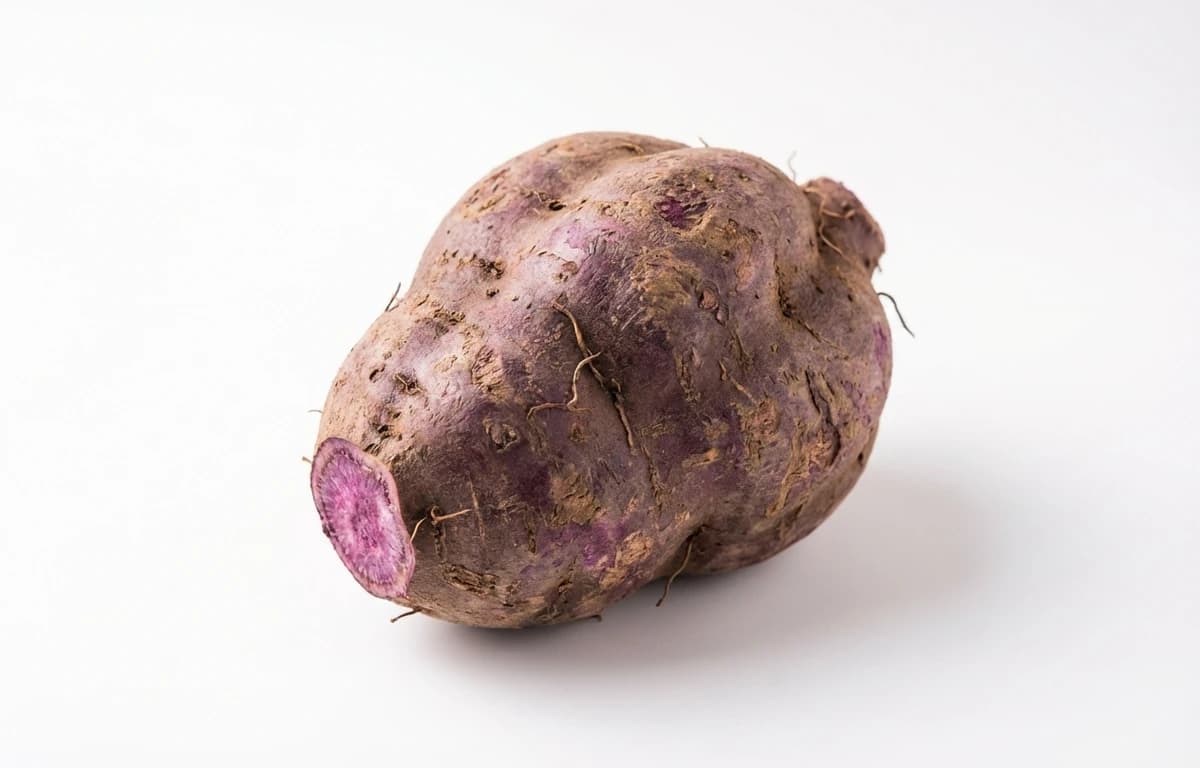
ratalu
Also known as:
Loading...
Also known as:
Per 100g
Nutrition data source: USDA FoodData Central
Yes, ratalu is a healthy vegetable. It is rich in complex carbohydrates, dietary fiber, and various vitamins and minerals like Vitamin C, potassium, and manganese. Its vibrant purple color indicates a high content of antioxidants, particularly anthocyanins, which help combat oxidative stress.
Ratalu offers several health benefits, including improved digestion due to its fiber content and potential blood sugar regulation. Its antioxidants support overall cellular health, while potassium may help manage blood pressure. It also contributes to immune function and bone health through its vitamin and mineral profile.
Per 100 grams, ratalu contains approximately 118 calories and 27.89 grams of carbohydrates. It also provides about 1.53 grams of protein and a minimal 0.17 grams of fat, making it a good source of energy from complex carbs.
Yes, ratalu is naturally vegan as it is a plant-based vegetable. It is also inherently gluten-free, making it a safe and suitable ingredient for individuals following vegan or gluten-free dietary restrictions.
Ratalu is a source of complex carbohydrates and dietary fiber, which can help regulate blood sugar levels more effectively than simple sugars. However, like all carbohydrate-rich foods, it should be consumed in moderation and as part of a balanced diet for individuals managing diabetes.
Ratalu is versatile and can be cooked in various ways. It is often peeled, cut into pieces, and then boiled, steamed, fried, or roasted. It's a popular ingredient in curries, stir-fries, and deep-fried snacks, especially during festive seasons in some cuisines.
ratalu is a versatile ingredient found in cuisines around the world. With 118 calories per 100g and 1.53 grams of protein, it's a nutritious addition to many dishes.
Explore more ingredients in the vegetable category with complete nutrition information.
View all vegetable →Ratalu has a mildly sweet, earthy, and slightly starchy flavor, similar to other yams or sweet potatoes but with its own distinct profile. Its texture becomes soft and somewhat floury when cooked, making it a comforting and filling vegetable.
Whole, uncooked ratalu should be stored in a cool, dry, and well-ventilated place, away from direct sunlight. Do not refrigerate whole ratalu, as cold temperatures can alter its flavor and texture. Stored properly, it can last for several weeks to a few months.
While some yams can be eaten raw, it is generally recommended to cook ratalu before consumption. Cooking improves its digestibility, enhances its flavor, and helps break down any potential anti-nutrients that might be present in raw form.
Ratalu is often referred to as purple yam or a type of purple yam, particularly in Indian contexts. While there are many varieties of yams, ratalu specifically refers to the purple-fleshed variety of yam (Dioscorea alata) commonly found and consumed in South Asia, known for its distinct color and flavor.