
Legume2 recipes
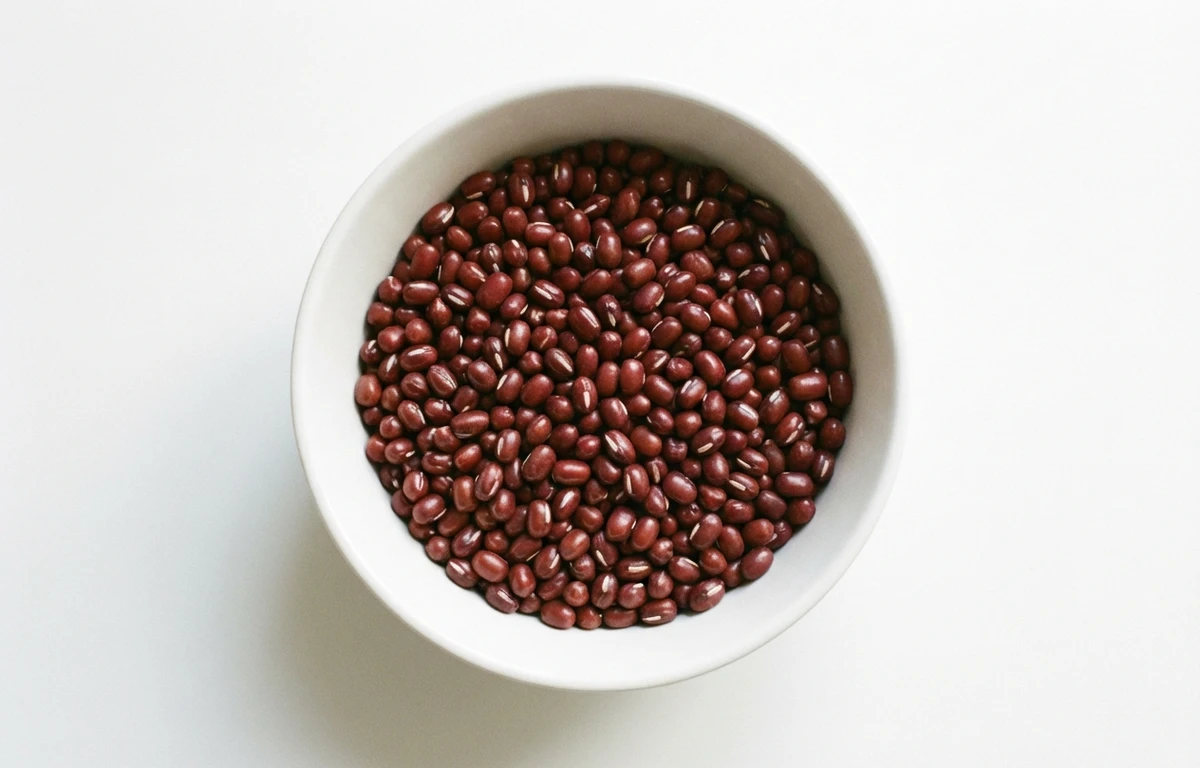
raw adzuki beans.
VegetarianVeganGluten-freeDairy-freeNut-freePeanut-freeSoy-freeEgg-freeShellfish-freeHoney-freeAlcohol-free
ALSO KNOWN AS
adzuki beans
SERVING
CALORIES
329
PROTEIN
19.9g
CARBS
62.9g
FAT
0.53g
FIBER
12.7g
NUTRITION PROFILE · per 100 g
Everything in this ingredient.
MACRONUTRIENTS
Calories329kcal—
Protein19.9g40%
Carbohydrates62.9g23%
Fiber12.7g45%
Sugar0g0%
Total fat0.53g1%
Saturated fat0.19g1%
Trans fat0g—
Cholesterol0mg0%
Water13.4g—
MINERALS
Sodium5.0mg0%
Potassium1254mg27%
Calcium66mg5%
Iron5.0mg28%
Magnesium127mg30%
Phosphorus381mg30%
Zinc5.0mg46%
Copper1.1mg121%
Manganese1.7mg75%
Selenium3.1µg6%
VITAMINS
Vitamin A0µg0%
Vitamin C0mg0%
Vitamin D0µg0%
Thiamin (B1)0.46mg38%
Riboflavin (B2)0.22mg17%
Niacin (B3)2.6mg16%
Pantothenic acid (B5)1.5mg29%
Vitamin B60.35mg21%
Folate (B9)622µg156%
Vitamin B120µg0%
%DV based on a 2,000 cal diet. Source: USDA FoodData Central. A dash in the %DV column means there’s no established Daily Value for that nutrient.
MEASUREMENT CONVERSIONS
How much is what.
1 cup197g
1 tablespoon12.3g
1 teaspoon4.1g
1 ml0.8g
1 liter820.8g
HEALTH BENEFITS
Why eat it.
- ✓Rich in dietary fiber, which aids digestion, promotes satiety, and helps regulate blood sugar levels.
- ✓Excellent source of plant-based protein, essential for muscle repair and growth.
- ✓High in antioxidants, such as polyphenols, which help protect the body against oxidative stress and inflammation.
- ✓Packed with essential minerals like folate, manganese, magnesium, and iron, supporting energy production and red blood cell formation.
COOKING TIPS
In the kitchen.
- 1Soak dried beans for at least 4 hours or overnight to shorten cooking time and improve digestibility. Discard the soaking water before cooking.
- 2For savory dishes, simmer with aromatics like ginger and kombu. For sweet dishes, like red bean paste (anko), cook until very soft and then sweeten with sugar.
- 3Avoid adding salt or acidic ingredients until the beans are fully tender, as this can toughen their skins and prevent them from softening properly.
- 4A 1:3 ratio of beans to water is a good starting point for boiling on the stovetop. They typically take 45-60 minutes to cook after soaking.
STORAGE
Keep it fresh.
- Store raw, dried adzuki beans in an airtight container in a cool, dark, and dry place, such as a pantry, for up to one year for best quality.
- Once cooked, store adzuki beans in a sealed container in the refrigerator for up to 5 days, or freeze them for up to 6 months.
FAQ
Frequently asked questions.
Is adzuki beans healthy?
Yes, adzuki beans are highly nutritious. They are an excellent source of dietary fiber, plant-based protein, and antioxidants, which support digestive health, muscle repair, and protect against oxidative stress. They also provide essential minerals like iron and magnesium.
What are the nutritional values of adzuki beans?
Per 100g of raw adzuki beans, there are approximately 329 calories, 19.87g of protein, 62.9g of carbohydrates, and 0.53g of fat. They are also rich in fiber, folate, manganese, and magnesium.
Are adzuki beans good for weight loss?
Yes, adzuki beans can be beneficial for weight loss. Their high fiber content promotes satiety, helping you feel full longer and reducing overall calorie intake. The protein content also contributes to muscle maintenance and a healthy metabolism.
Are adzuki beans vegan and gluten-free?
Yes, adzuki beans are naturally vegan as they are a plant-based legume. They are also naturally gluten-free, making them a suitable food choice for individuals following a gluten-free diet.
Can people with diabetes eat adzuki beans?
Yes, adzuki beans are a good choice for people with diabetes. Their high fiber content helps regulate blood sugar levels by slowing down glucose absorption. They also have a low glycemic index, contributing to more stable blood sugar.
How do you cook raw adzuki beans?
Raw adzuki beans must be soaked before cooking. Soak them in water for 4-8 hours, then drain and rinse. Cook them in fresh water (about 3 cups water per 1 cup beans) for 45-60 minutes, or until tender, typically on the stovetop or in a pressure cooker.
What do adzuki beans taste like and what are they used for?
Adzuki beans have a slightly sweet, nutty flavor and a creamy texture when cooked. They are famously used in Asian desserts, like sweet red bean paste (anko), but also work well in savory dishes such as soups, stews, salads, and rice bowls.
How should I store raw adzuki beans?
Store raw, dried adzuki beans in an airtight container in a cool, dark, and dry place, such as a pantry. Properly stored, they can last for up to 1-2 years. Cooked adzuki beans should be refrigerated and consumed within 3-5 days or frozen for longer storage.
Can adzuki beans be eaten raw?
No, adzuki beans should not be eaten raw. Like many other legumes, raw adzuki beans contain lectins and other anti-nutrients that can cause digestive upset and interfere with nutrient absorption. They must be thoroughly cooked to be safe and digestible.
What are the main health benefits of incorporating adzuki beans into my diet?
Adzuki beans offer numerous health benefits, including improved digestion due to high fiber, enhanced muscle health from plant-based protein, and protection against cellular damage from antioxidants. They also provide essential minerals vital for energy and overall well-being.
RECIPES
Cook with raw adzuki beans.
2 recipes · sorted by what’s quick



















