
Loading...
Per 100g
Nutrition data source: USDA FoodData Central
Common measurement equivalents in grams
Yes, raw amaranth leaves are highly nutritious. They are rich in essential micronutrients like Vitamins K and C, iron, calcium, and manganese. They also provide dietary fiber and powerful antioxidants, supporting bone health, immune function, digestion, and combating oxidative stress.
Per 100g, raw amaranth leaves contain approximately 23 calories, 2.46g protein, 4.02g carbohydrates, and 0.33g fat. They are an excellent source of Vitamin K, Vitamin C, iron, calcium, and manganese, along with beneficial dietary fiber and antioxidants like polyphenols and flavonoids.
Yes, amaranth leaves can be beneficial for weight loss. They are very low in calories (23 kcal per 100g) and high in fiber, which promotes satiety and aids digestion. Their rich nutrient profile also ensures you get essential vitamins and minerals while consuming fewer calories.
Yes, amaranth leaves are naturally vegan as they are a plant-based vegetable. They are also inherently gluten-free, making them suitable for individuals following vegan or gluten-free diets without any concerns.
Yes, amaranth leaves are generally safe and beneficial for people with diabetes. They have a low glycemic index due to their high fiber content, which can help manage blood sugar levels. Their rich nutrient profile also supports overall health without significantly impacting carbohydrate intake.
Amaranth leaves should be thoroughly washed to remove any dirt or sand. They can be sautéed, steamed, stir-fried, or added to soups and stews. Cooking them briefly helps soften the leaves and can reduce oxalic acid content, making nutrients more bioavailable.
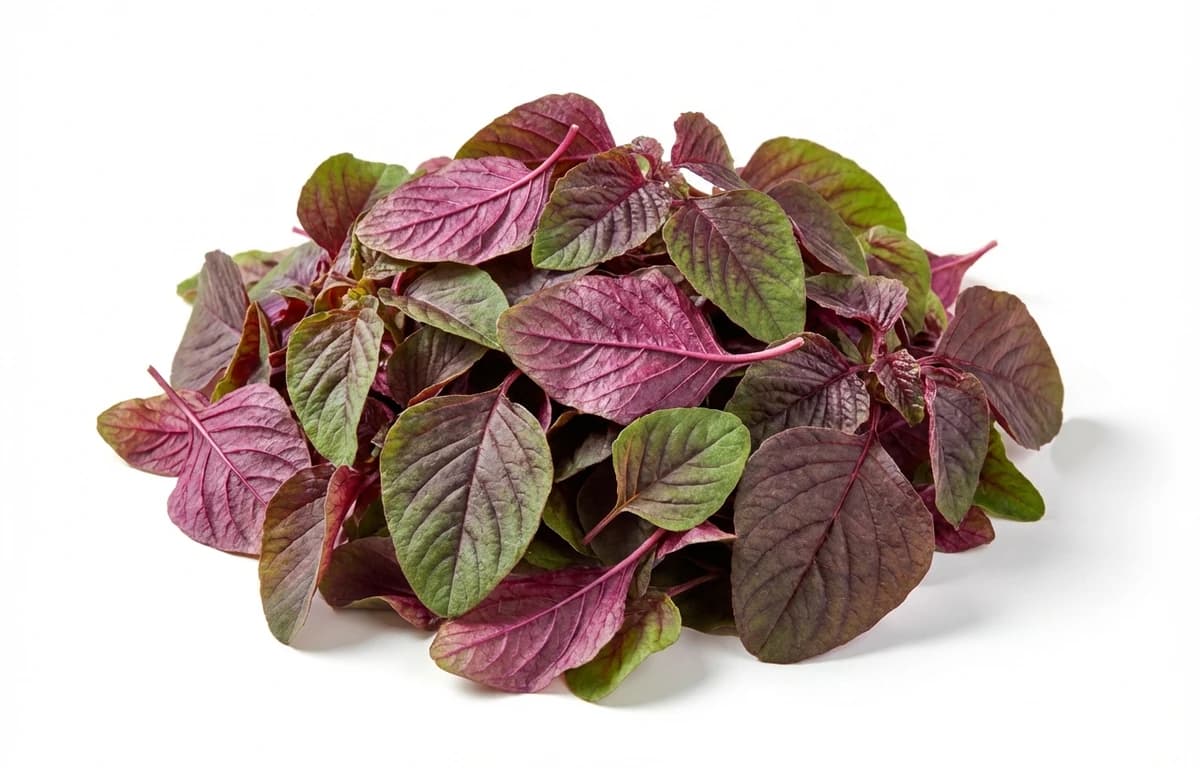
raw amaranth leaves is a versatile ingredient found in cuisines around the world. With 23 calories per 100g and 2.46 grams of protein, it's a nutritious addition to many dishes.
Explore more ingredients in the vegetable category with complete nutrition information.
View all vegetable →Discover 0 recipes featuring raw amaranth leaves with step-by-step instructions.
Browse recipes →Raw amaranth leaves have a mild, slightly earthy, and somewhat spinach-like flavor, often described as a bit more robust or peppery than spinach. Some varieties might have a subtle bitterness. When cooked, their flavor mellows significantly.
To keep raw amaranth leaves fresh, store them unwashed in a plastic bag or wrapped in a damp paper towel in the refrigerator's crisper drawer. They typically last for 3-5 days. Wash them just before use to prevent premature spoilage.
Yes, amaranth leaves can be eaten raw, for example, added to salads or smoothies. However, like spinach, they contain oxalic acid, which can interfere with mineral absorption. Cooking them can reduce oxalic acid levels and make certain nutrients more available.
Amaranth leaves, like many leafy greens, contain oxalic acid, an anti-nutrient that can bind with minerals like calcium and iron. While generally not a concern in moderate consumption, cooking methods like blanching or boiling can significantly reduce oxalic acid levels, improving nutrient absorption.