
Vegetable
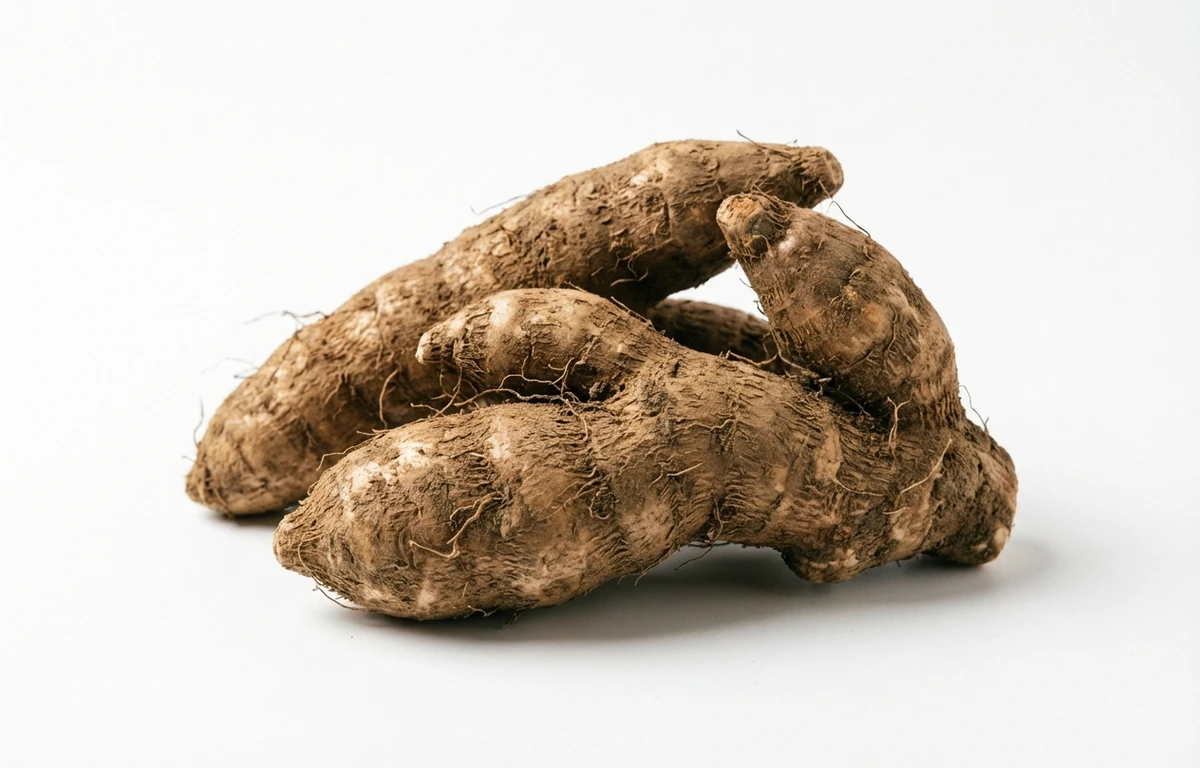
raw arrowroot.
VegetarianVeganGluten-freeDairy-freeNut-freePeanut-freeSoy-freeEgg-freeShellfish-freeHoney-freeAlcohol-freeHalalKosher
SERVING
CALORIES
65
PROTEIN
0.20g
CARBS
13.4g
FAT
0.10g
FIBER
1.3g
This ingredient is flagged as naturally gluten-free. Per 100 g, it provides 0 µg of vitamin K.
NUTRITION PROFILE · per 100 g
Everything in this ingredient.
MACRONUTRIENTS
Calories65kcal—
Protein0.20g0%
Carbohydrates13.4g5%
Fiber1.3g5%
Sugar0.10g0%
Total fat0.10g0%
Saturated fat0.02g0%
Trans fat0g—
Cholesterol0mg0%
Water84.8g—
MINERALS
Sodium26mg1%
Potassium454mg10%
Calcium6.0mg0%
Iron2.2mg12%
Magnesium25mg6%
Phosphorus52mg4%
Zinc0.60mg5%
Copper0.12mg13%
Manganese0.17mg7%
Selenium0.70µg1%
VITAMINS
Vitamin A0µg0%
Vitamin C1.9mg2%
Vitamin D0µg0%
Vitamin E0mg0%
Vitamin K0µg0%
Thiamin (B1)0.14mg12%
Riboflavin (B2)0.06mg5%
Niacin (B3)1.7mg11%
Pantothenic acid (B5)0.15mg3%
Vitamin B60.27mg16%
Folate (B9)338µg85%
Vitamin B120µg0%
%DV based on a 2,000 cal diet. Source: USDA FoodData Central. A dash in the %DV column means there’s no established Daily Value for that nutrient.
MEASUREMENT CONVERSIONS
How much is what.
1 cup120g
1 tablespoon7.5g
1 teaspoon2.5g
1 ml0.5g
1 liter500g
HEALTH BENEFITS
Why eat it.
- ✓Highly digestible starch, which can be soothing for the digestive system and is suitable for infants and those with dietary restrictions.
- ✓A good source of B-vitamins, particularly folate (B9), which is crucial for red blood cell formation and healthy cell growth and function.
- ✓Contains resistant starch, which may act as a prebiotic, feeding beneficial gut bacteria and supporting overall gut health.
COOKING TIPS
In the kitchen.
- 1Peel the outer brown, papery skin before use. The inner flesh is white and starchy.
- 2Raw arrowroot can be boiled, steamed, roasted, or fried, similar to potatoes or yuca. It has a mild, slightly sweet flavor and a starchy texture.
- 3Grate raw arrowroot to add to batters for gluten-free baked goods like cakes and biscuits for a tender crumb.
- 4The most common use is processing it into a powder (arrowroot starch), which is a superior thickener for sauces, gravies, and pie fillings as it creates a clear, glossy gel and thickens at a lower temperature than cornstarch.
STORAGE
Keep it fresh.
- Store fresh, unpeeled arrowroot rhizomes in a cool, dark, and dry place, like a pantry, for up to two weeks.
- Once peeled or cut, place the arrowroot in an airtight container submerged in water and refrigerate for up to 5 days to prevent discoloration and drying out.
FAQ
Frequently asked questions.
Is raw arrowroot healthy?
Yes, raw arrowroot is very healthy. It's a highly digestible starch, naturally gluten-free, and a good source of B-vitamins like folate. It also contains resistant starch, which supports gut health by acting as a prebiotic.
What are the main nutritional facts for raw arrowroot?
Per 100g, raw arrowroot contains approximately 65 calories, 0.2g protein, 13.4g carbohydrates, and 0.1g fat. It's primarily a source of easily digestible carbohydrates and provides essential B-vitamins.
Is raw arrowroot good for digestion?
Yes, raw arrowroot is excellent for digestion. Its highly digestible starch can be soothing for the digestive system, making it suitable for infants and those with sensitive stomachs. It also contains resistant starch, which acts as a prebiotic to support beneficial gut bacteria.
Can raw arrowroot be eaten raw, or does it need to be cooked?
While the raw root can be consumed, it is more commonly processed into a flour or starch for culinary use. Cooking or processing helps break down the starches, making them more palatable and easier to digest, especially when used as a thickener.
How is raw arrowroot typically used in cooking?
Raw arrowroot is most often processed into a fine powder or starch, which is then used as a thickening agent in sauces, gravies, fruit pies, and glazes. It creates a clear, glossy finish and is preferred over cornstarch for acidic foods or those that will be frozen.
What does raw arrowroot taste like?
The raw arrowroot tuber itself has a mild, somewhat starchy, and slightly earthy flavor. When processed into a starch and used in cooking, it is largely flavorless, allowing it to thicken dishes without altering their taste.
How should raw arrowroot be stored?
Whole, raw arrowroot tubers should be stored in a cool, dark, and dry place, similar to potatoes or other root vegetables. They can also be refrigerated in a paper bag to extend their freshness for a few weeks.
How do you select fresh raw arrowroot?
When selecting raw arrowroot tubers, look for firm, smooth roots that are free from blemishes, soft spots, or mold. They should feel heavy for their size and have an intact skin, indicating freshness.



















