
Loading...
Per 100g
Nutrition data source: USDA FoodData Central
Common measurement equivalents in grams
Raw cod is highly perishable and should be stored in the coldest part of the refrigerator and used within 1 to 2 days of purchase.
Yes, you can freeze it. Wrap it tightly in plastic wrap and then place it in a freezer bag. It will maintain best quality for about 6 months.
Spoiled cod will have a strong 'fishy' or ammonia-like odor, a slimy texture, and the flesh may appear dull or yellowish rather than translucent white.
Haddock, pollock, hake, or halibut are excellent substitutes as they have similar mild flavors and flaky white textures.
No, Atlantic cod is considered a 'Best Choice' by the FDA as it is relatively low in mercury compared to larger predatory fish like swordfish or tuna.
It is not recommended to wash raw fish as it can spread bacteria to your sink and surfaces. Instead, pat it dry with paper towels.
Atlantic cod is generally larger with slightly firmer flesh and a sweeter flavor, while Pacific cod has a higher moisture content and a more delicate flake.
Place the fillet skin-side down, hold the tail end firmly, and use a sharp flexible knife to slide between the flesh and the skin at a slight downward angle.
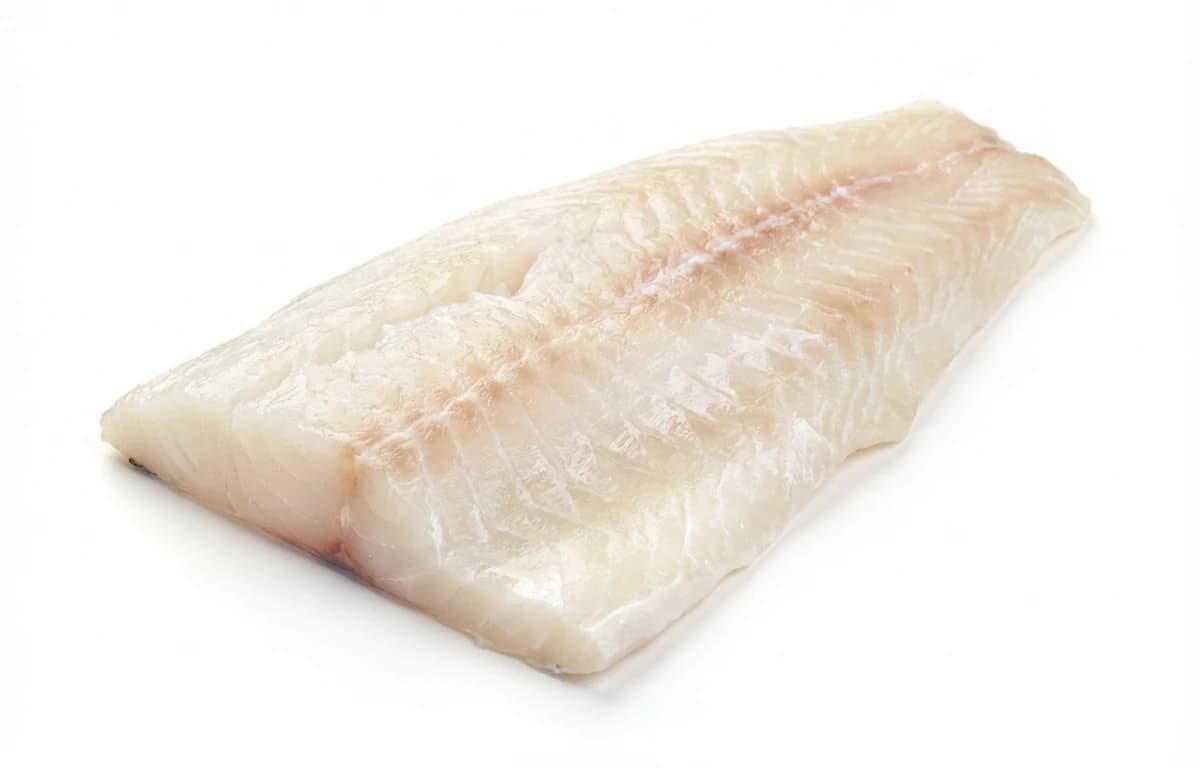
raw atlantic cod is a versatile ingredient found in cuisines around the world. With 82 calories per 100g and 17.81 grams of protein, it's a nutritious addition to many dishes.
Explore more ingredients in the seafood category with complete nutrition information.
View all seafood →Discover 0 recipes featuring raw atlantic cod with step-by-step instructions.
Browse recipes →While cod is a lean fish and has less Omega-3 than fatty fish like salmon, it still provides a beneficial amount of EPA and DHA fatty acids.