
Meat
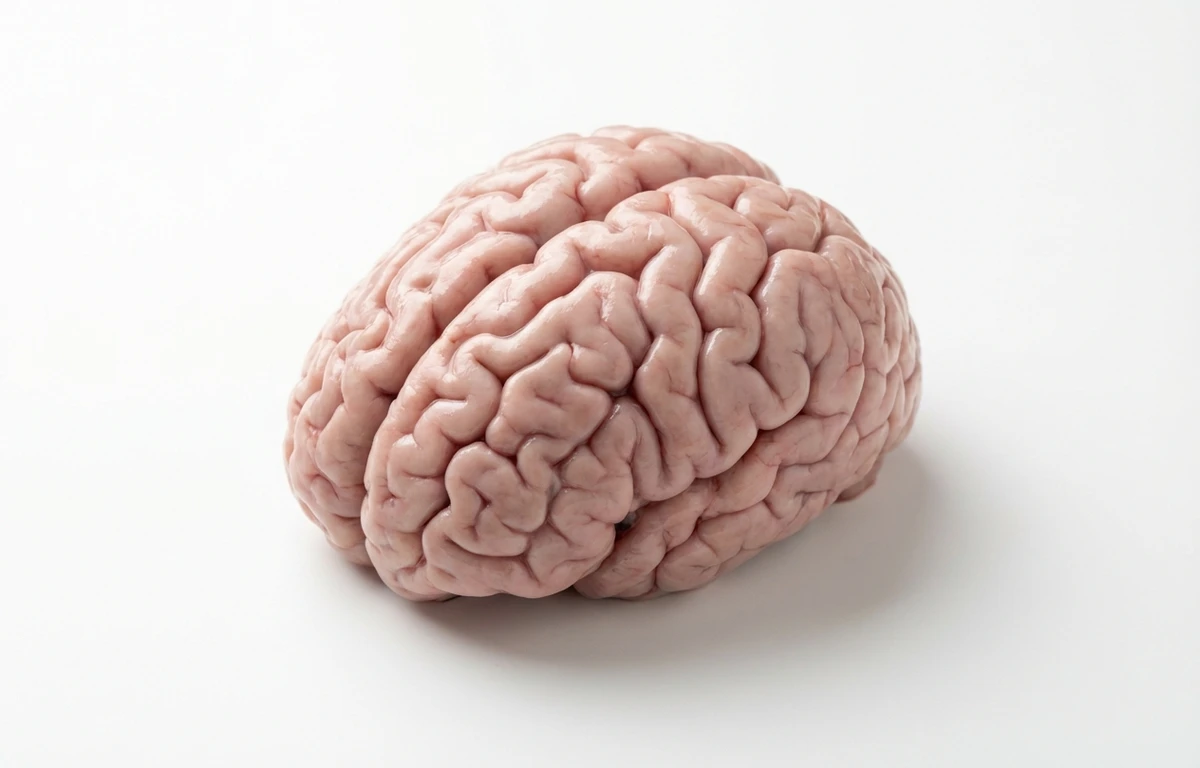
raw beef brain.
VegetarianVeganGluten-freeDairy-freeNut-freePeanut-freeSoy-freeEgg-freeShellfish-freeHoney-freeAlcohol-free
ALSO KNOWN AS
beef brain
SERVING
CALORIES
143
PROTEIN
10.9g
CARBS
1.1g
FAT
10.3g
FIBER
0g
NUTRITION PROFILE · per 100 g
Everything in this ingredient.
MACRONUTRIENTS
Calories143kcal—
Protein10.9g22%
Carbohydrates1.1g0%
Fiber0g0%
Sugar0g0%
Total fat10.3g13%
Saturated fat2.3g12%
Trans fat0.61g—
Cholesterol3010mg1003%
Water76.3g—
MINERALS
Sodium126mg5%
Potassium274mg6%
Calcium43mg3%
Iron2.5mg14%
Magnesium13mg3%
Phosphorus362mg29%
Zinc1.0mg9%
Copper0.29mg32%
Manganese0.03mg1%
Selenium21.3µg39%
VITAMINS
Vitamin A7.0µg1%
Vitamin C10.7mg12%
Vitamin E0.99mg7%
Vitamin K0µg0%
Thiamin (B1)0.09mg8%
Riboflavin (B2)0.20mg15%
Niacin (B3)3.5mg22%
Pantothenic acid (B5)2.0mg40%
Vitamin B60.23mg14%
Folate (B9)3.0µg1%
Vitamin B129.5µg396%
%DV based on a 2,000 cal diet. Source: USDA FoodData Central. A dash in the %DV column means there’s no established Daily Value for that nutrient.
MEASUREMENT CONVERSIONS
How much is what.
1 cup247g
1 tablespoon15.5g
1 teaspoon5.2g
1 ml1g
1 liter1033.3g
1 piece250g
HEALTH BENEFITS
Why eat it.
- ✓Extremely rich in omega-3 fatty acids, particularly DHA, which is essential for brain health and cognitive function.
- ✓Excellent source of B vitamins, especially vitamin B12, crucial for nerve function and red blood cell formation.
- ✓Provides high concentrations of minerals like phosphorus for bone health and selenium, a powerful antioxidant.
- ✓Contains high levels of dietary cholesterol, a precursor for vitamin D and steroid hormones.
COOKING TIPS
In the kitchen.
- 1Before cooking, soak in cold, salted water for several hours, changing the water frequently, to purge blood and firm the texture.
- 2Gently poach the brain in a seasoned liquid (like a court bouillon) until firm before using in other preparations like frying or scrambling.
- 3Its creamy texture is complemented by acidic elements like lemon juice or capers and is often pan-fried in butter or scrambled with eggs.
- 4Due to potential health risks (e.g., prion diseases), source from a reputable supplier and cook thoroughly to a safe internal temperature.
STORAGE
Keep it fresh.
- Highly perishable; store immediately in the coldest part of the refrigerator (below 40°F or 4°C) and use within 1-2 days.
- For longer storage, freeze at 0°F (-18°C) in an airtight, vacuum-sealed package for up to 3 months.
FAQ
Frequently asked questions.
Is beef brain healthy?
Beef brain is highly nutritious, packed with omega-3 fatty acids (especially DHA), B vitamins like B12, and minerals such as phosphorus and selenium. However, it is also very high in dietary cholesterol, so moderation is key, especially for individuals monitoring cholesterol intake.
What are the key nutritional facts for beef brain?
Per 100g, raw beef brain contains approximately 143 calories, 10.86g of protein, 1.05g of carbohydrates, and 10.3g of fat. It's a dense source of nutrients with a relatively balanced macronutrient profile, excluding the high cholesterol content.
What are the specific health benefits of eating beef brain?
Beef brain is an excellent source of DHA, crucial for brain health and cognitive function. It also provides high levels of Vitamin B12, essential for nerve function and red blood cell formation, along with phosphorus for bone health and selenium, a powerful antioxidant.
Is beef brain keto-friendly or low-carb?
Yes, with only about 1.05g of carbohydrates per 100g, beef brain is considered very low-carb and is suitable for ketogenic diets. Its high fat and protein content also align well with keto principles.
Is beef brain gluten-free?
Yes, raw beef brain is naturally gluten-free. As an unprocessed meat product, it does not contain any gluten-containing grains or ingredients.
Can you eat beef brain raw?
While some cultures consume raw organ meats, it is generally not recommended to eat beef brain raw due to the risk of bacterial contamination and potential exposure to prions (agents causing Bovine Spongiform Encephalopathy, or 'mad cow disease'). Cooking thoroughly is advised for safety.
How should beef brain be cooked?
Beef brain should be thoroughly cooked to an internal temperature of at least 160°F (71°C). Common cooking methods include poaching, sautéing, frying, or baking. It's often blanched first to firm it up and remove membranes before further preparation.
What does beef brain taste like?
Beef brain has a very delicate, mild, and slightly sweet flavor. Its texture is notably soft, creamy, and custard-like when properly cooked, often described as similar to a rich, savory pâté.
How should raw beef brain be stored?
Raw beef brain should be stored in the coldest part of your refrigerator, ideally at 40°F (4°C) or below, and consumed within 1-2 days of purchase. For longer storage, it can be frozen in an airtight container for several months.
Are there any risks associated with eating beef brain?
The primary risks include high dietary cholesterol, which can be a concern for some individuals. More significantly, there's a very low but present risk of Bovine Spongiform Encephalopathy (BSE) or 'mad cow disease' if the brain comes from an infected animal, though strict regulations minimize this risk in many countries.



















