
Meat
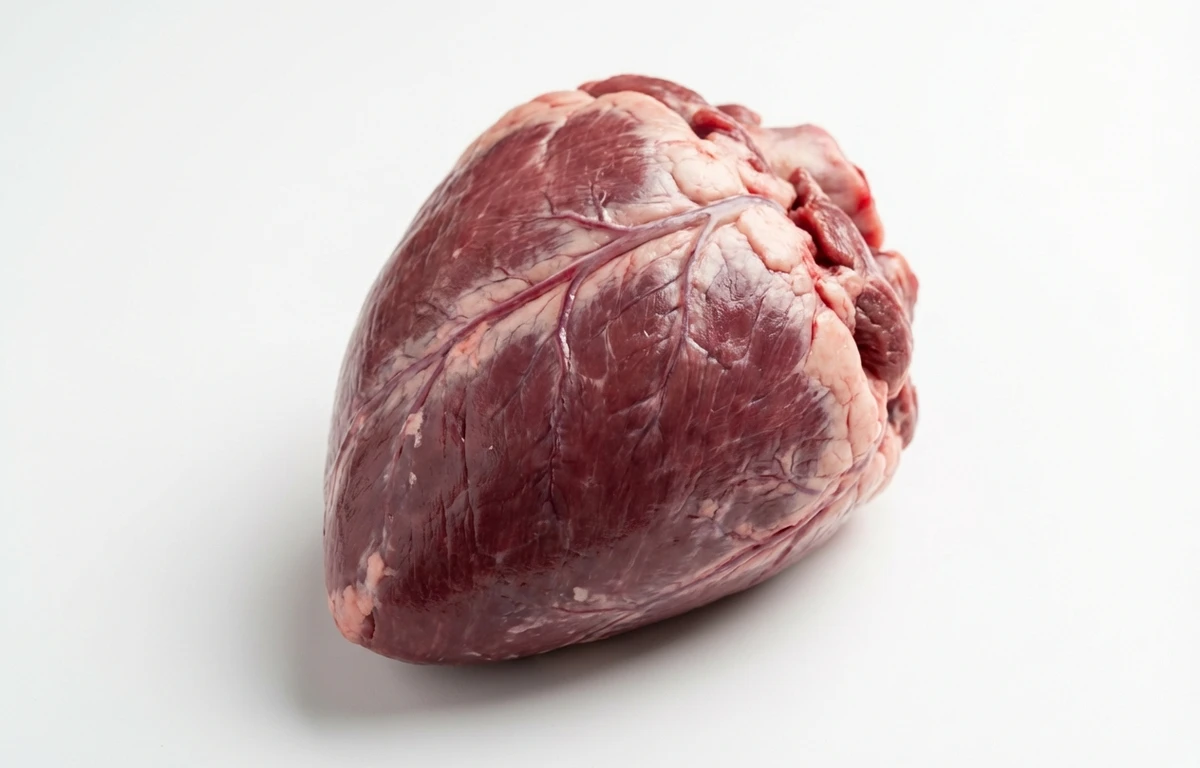
raw beef heart.
VegetarianVeganGluten-freeDairy-freeNut-freePeanut-freeSoy-freeEgg-freeShellfish-freeHoney-freeAlcohol-free
ALSO KNOWN AS
beef heart
SERVING
CALORIES
105
PROTEIN
18.5g
CARBS
0g
FAT
3.4g
FIBER
0g
NUTRITION PROFILE · per 100 g
Everything in this ingredient.
MACRONUTRIENTS
Calories105kcal—
Protein18.5g37%
Carbohydrates0g0%
Fiber0g0%
Sugar0g0%
Total fat3.4g4%
Saturated fat0.86g4%
Trans fat0.06g—
Cholesterol124mg41%
Water78.1g—
MINERALS
Sodium86mg4%
Potassium275mg6%
Calcium4.0mg0%
Iron4.4mg24%
Magnesium22mg5%
Phosphorus209mg17%
Zinc1.5mg14%
Copper0.37mg41%
Manganese0.03mg1%
Selenium9.0µg16%
VITAMINS
Vitamin A10µg1%
Vitamin C0mg0%
Vitamin D0.20µg1%
Vitamin E1.2mg8%
Thiamin (B1)0.25mg21%
Riboflavin (B2)0.68mg52%
Niacin (B3)4.4mg28%
Pantothenic acid (B5)1.8mg36%
Vitamin B60.16mg9%
Vitamin B1210.8µg450%
%DV based on a 2,000 cal diet. Source: USDA FoodData Central. A dash in the %DV column means there’s no established Daily Value for that nutrient.
MEASUREMENT CONVERSIONS
How much is what.
1 oz28.4g
1 lb453.6g
1 piece2000g
HEALTH BENEFITS
Why eat it.
- ✓Extremely rich in Coenzyme Q10 (CoQ10), a powerful antioxidant that supports energy production and cardiovascular health.
- ✓Excellent source of B vitamins, especially B12, which is crucial for nerve function and red blood cell formation.
- ✓High in essential minerals like iron for oxygen transport, zinc for immune function, and selenium for antioxidant defense.
- ✓Provides a lean source of high-quality, complete protein for muscle building and repair.
COOKING TIPS
In the kitchen.
- 1Before cooking, trim off any silver skin, connective tissue, and large blood vessels for a more palatable texture.
- 2For a tender result, either cook it very quickly over high heat (e.g., sliced thin and grilled or seared) or very slowly over low heat (e.g., cubed and braised in a stew).
- 3Marinating the heart for at least an hour in an acidic marinade (like citrus, vinegar, or wine) can help to tenderize the muscle fibers.
- 4Beef heart has a strong, beefy flavor that pairs well with robust seasonings like garlic, onions, rosemary, and thyme.
STORAGE
Keep it fresh.
- Refrigerate raw beef heart at or below 40°F (4°C) in a sealed container on the bottom shelf and cook within 1-2 days.
- For long-term storage, wrap tightly in plastic wrap and freezer paper or a vacuum-sealed bag and freeze at 0°F (-18°C) for up to 4 months.
FAQ
Frequently asked questions.
Is beef heart healthy?
Yes, beef heart is exceptionally healthy and nutrient-dense. It's packed with essential vitamins, minerals, and powerful antioxidants like Coenzyme Q10 (CoQ10), making it highly beneficial for cardiovascular health, energy production, and overall well-being.
What are the key nutritional benefits of beef heart?
Beef heart is an excellent source of CoQ10, B vitamins (especially B12), iron, zinc, and selenium. These nutrients are crucial for energy metabolism, nerve function, red blood cell formation, and immune support, providing a lean source of high-quality protein.
How much protein, calories, and fat are in 100g of beef heart?
Per 100g, raw beef heart contains approximately 105 calories, 18.52g of high-quality protein, 0g of carbohydrates, and 3.4g of fat. This makes it a lean, protein-rich food with minimal carbs.
Is beef heart keto-friendly or low-carb?
Yes, beef heart is highly keto-friendly and low-carb. It contains 0g of carbohydrates per 100g, making it an excellent protein and nutrient source that fits perfectly into ketogenic and low-carb dietary plans.
Is beef heart gluten-free?
Yes, raw beef heart is naturally gluten-free. As an unprocessed meat product, it does not contain any gluten-containing grains or ingredients, making it suitable for individuals with gluten sensitivities or celiac disease.
How do you typically cook beef heart?
Beef heart can be prepared in various ways, often requiring slow cooking or marinating to tenderize its muscular texture. It can be grilled, braised, stewed, or thinly sliced and seared quickly, similar to a lean steak.
What does beef heart taste like?
Beef heart has a rich, beefy flavor, often compared to a lean steak or venison, but with a slightly firmer texture. It's generally less 'gamey' than other organ meats like liver and is considered to have a mild, pleasant taste.
Can beef heart be eaten raw?
While some cultures consume raw organ meats, it's generally recommended to cook beef heart thoroughly to reduce the risk of foodborne illness. If considering raw consumption, ensure it's from a trusted, high-quality source and handled with extreme care.
How should I store raw beef heart?
Store raw beef heart in its original packaging or in an airtight container in the coldest part of your refrigerator for 1-2 days. For longer storage, it can be tightly wrapped and frozen for several months.
How do you know if raw beef heart is fresh?
Fresh beef heart should have a deep reddish-brown color, a firm texture, and a mild, slightly metallic scent. Avoid any heart that appears discolored, slimy, or has a strong, off-putting odor, as these are signs of spoilage.



















