
Meat
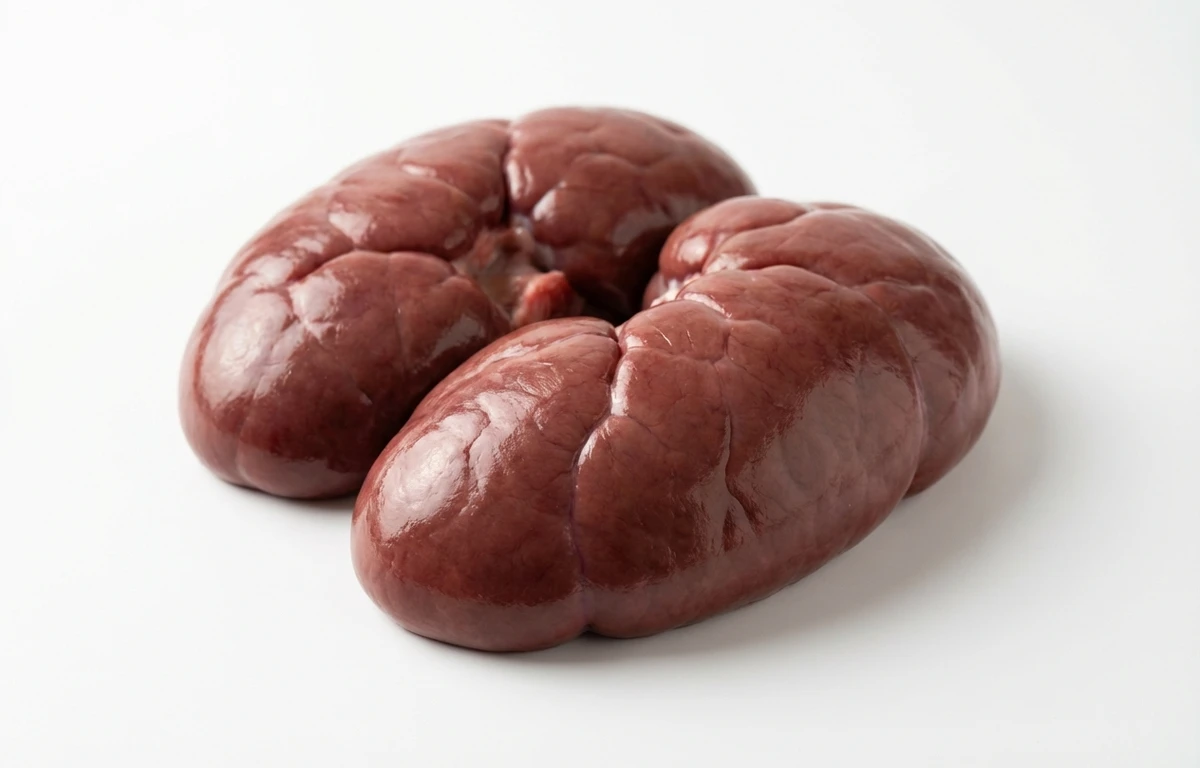
raw beef kidneys.
VegetarianVeganGluten-freeDairy-freeNut-freePeanut-freeSoy-freeEgg-freeShellfish-freeHoney-freeAlcohol-free
ALSO KNOWN AS
beef kidneyraw beef kidneybeef kidneys
SERVING
CALORIES
99
PROTEIN
17.4g
CARBS
0.29g
FAT
3.1g
FIBER
0g
NUTRITION PROFILE · per 100 g
Everything in this ingredient.
MACRONUTRIENTS
Calories99kcal—
Protein17.4g35%
Carbohydrates0.29g0%
Fiber0g0%
Sugar0g0%
Total fat3.1g4%
Saturated fat0.87g4%
Trans fat0.10g—
Cholesterol411mg137%
Water77.9g—
MINERALS
Sodium182mg8%
Potassium262mg6%
Calcium13mg1%
Iron4.6mg26%
Magnesium17mg4%
Phosphorus257mg21%
Zinc1.9mg17%
Copper0.43mg48%
Manganese0.14mg6%
Selenium141µg256%
VITAMINS
Vitamin A419µg47%
Vitamin C9.4mg10%
Vitamin D1.1µg6%
Vitamin E0.22mg1%
Vitamin K0µg0%
Thiamin (B1)0.36mg30%
Riboflavin (B2)2.8mg218%
Niacin (B3)8.0mg50%
Pantothenic acid (B5)4.0mg79%
Vitamin B60.67mg39%
Folate (B9)98µg25%
Vitamin B1227.5µg1146%
%DV based on a 2,000 cal diet. Source: USDA FoodData Central. A dash in the %DV column means there’s no established Daily Value for that nutrient.
MEASUREMENT CONVERSIONS
How much is what.
1 oz28.4g
1 lb453.6g
1 piece500g
HEALTH BENEFITS
Why eat it.
- ✓Extremely rich in Vitamin B12, crucial for red blood cell formation and neurological function.
- ✓Excellent source of heme iron, which is highly bioavailable and helps prevent anemia.
- ✓Provides a high concentration of selenium, a powerful antioxidant that supports immune function and thyroid health.
- ✓Rich in high-quality protein, essential for muscle repair, growth, and overall body maintenance.
COOKING TIPS
In the kitchen.
- 1To reduce the strong, ammonia-like odor and flavor, soak kidneys in milk, salted water, or acidulated water (with lemon juice or vinegar) for at least 30 minutes before cooking.
- 2Before cooking, carefully trim away the tough outer membrane and the white inner core (suet and gristle) as they can be tough and unpalatable.
- 3Kidneys can be cooked quickly over high heat (e.g., pan-searing, stir-frying) to remain tender, or slow-cooked in stews and pies (like Steak and Kidney Pie) to become soft and flavorful.
- 4Pair with robust flavors like onions, garlic, mustard, red wine, or strong herbs like thyme and parsley to complement their distinctive taste.
STORAGE
Keep it fresh.
- Refrigerate immediately in the coldest part of your fridge (below 40°F or 4°C) and cook within 1-2 days due to high perishability.
- For longer storage, wrap tightly in plastic wrap and then place in a freezer-safe bag. Freeze for up to 3-4 months for optimal quality.
FAQ
Frequently asked questions.
Are beef kidneys healthy?
Yes, beef kidneys are highly nutritious, often considered a superfood among organ meats. They are packed with essential vitamins and minerals, particularly B vitamins, iron, and selenium, which support various bodily functions. However, like all organ meats, they should be consumed in moderation due to their purine content.
What are the key nutritional benefits and macronutrients of beef kidneys?
Beef kidneys are an excellent source of Vitamin B12, heme iron, and selenium, crucial for energy, blood health, and immune function. Per 100g, they provide approximately 99 calories, 17.4g protein, 0.29g carbohydrates, and 3.09g fat, making them a protein-rich and low-carb option.
Are beef kidneys good for weight loss?
Yes, beef kidneys can be beneficial for weight loss due to their high protein content and low calorie count. The protein helps promote satiety, reducing overall food intake, while the rich nutrient profile supports metabolic health. They are also very low in carbohydrates and fat.
Are beef kidneys suitable for a keto or low-carb diet?
Absolutely. With only 0.29g of carbohydrates per 100g, beef kidneys are an excellent choice for ketogenic and low-carb diets. They provide a significant amount of protein and essential micronutrients without adding many carbs.
Are beef kidneys gluten-free?
Yes, raw beef kidneys are naturally gluten-free. As an unprocessed meat product, they do not contain any gluten. However, always check ingredients if consuming processed kidney products or dishes to ensure no gluten-containing additives are present.
How should raw beef kidneys be prepared before cooking?
Before cooking, beef kidneys typically require trimming to remove any tough membranes, fat, and tubes. They are often soaked in water, milk, or or a mild acid like vinegar for 30-60 minutes to help reduce their strong flavor and odor. After soaking, rinse them thoroughly and pat dry.
What do beef kidneys taste like and what are common cooking methods?
Beef kidneys have a distinct, strong, and somewhat gamey flavor, often described as 'offal-y.' They are commonly sliced and quickly pan-fried, stewed, or braised in dishes like steak and kidney pie. Proper preparation, including soaking, helps mellow their intense taste.
How should raw beef kidneys be stored and how do you check for freshness?
Store raw beef kidneys in the coldest part of your refrigerator, ideally in their original packaging or a sealed container, for 1-2 days. Fresh kidneys should have a uniform reddish-brown color, be firm to the touch, and have a mild, slightly metallic smell, not a strong or ammonia-like odor.
Can you eat beef kidneys raw?
While some cultures consume certain organ meats raw, it is generally not recommended to eat raw beef kidneys due to the risk of bacterial contamination (e.g., E. coli, Salmonella). Cooking them thoroughly to an internal temperature of 160°F (71°C) is essential for food safety.
Are there any potential downsides or concerns when consuming beef kidneys?
Beef kidneys are high in purines, which can increase uric acid levels, so individuals with gout should consume them sparingly. They also contain cholesterol, and while dietary cholesterol's impact is debated, moderation is key. Always ensure they are thoroughly cooked to eliminate pathogens.



















