
Meat
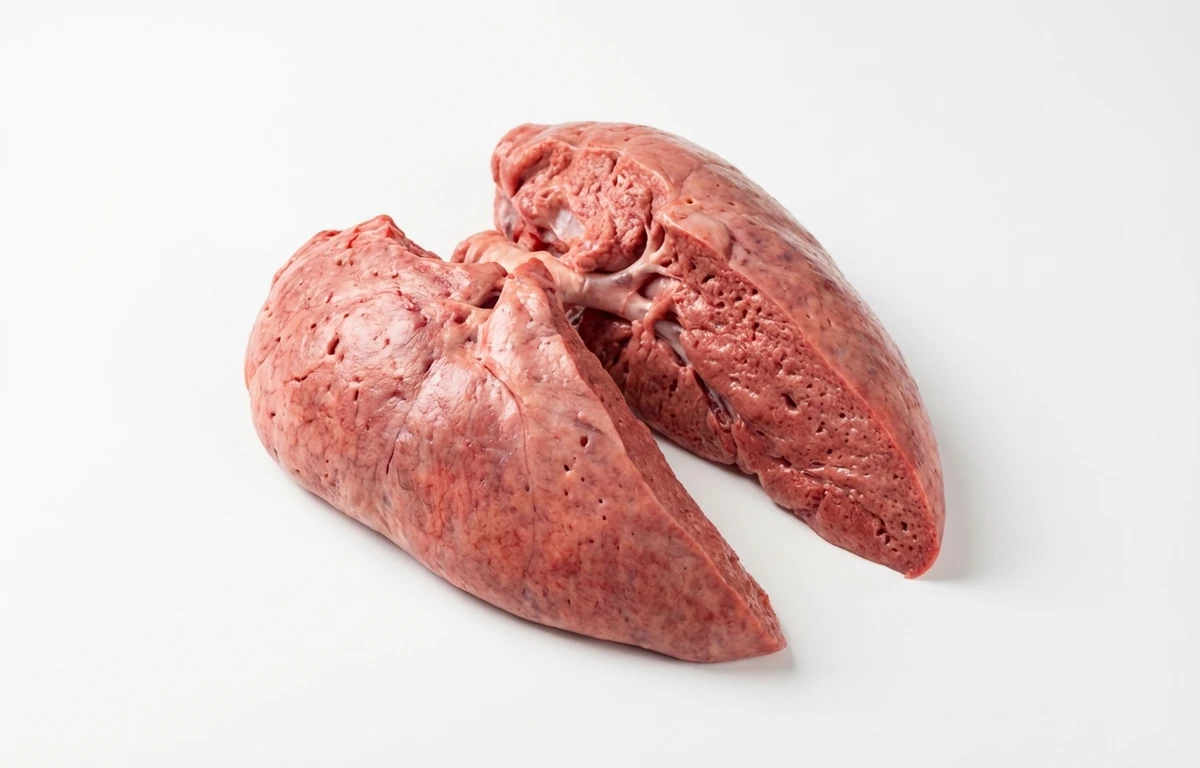
raw beef lungs.
VegetarianVeganGluten-freeDairy-freeNut-freePeanut-freeSoy-freeEgg-freeShellfish-freeHoney-freeAlcohol-free
ALSO KNOWN AS
beef lungsraw lungs
SERVING
CALORIES
92
PROTEIN
16.2g
CARBS
0g
FAT
2.5g
FIBER
0g
NUTRITION PROFILE · per 100 g
Everything in this ingredient.
MACRONUTRIENTS
Calories92kcal—
Protein16.2g32%
Carbohydrates0g0%
Fiber0g0%
Sugar0g0%
Total fat2.5g3%
Saturated fat0.80g4%
Trans fat0g—
Cholesterol240mg80%
Water79.6g—
MINERALS
Sodium189mg8%
Potassium240mg5%
Calcium8.0mg1%
Iron7.9mg44%
Magnesium14mg3%
Phosphorus188mg15%
Zinc1.6mg15%
Copper0.10mg11%
Manganese0.02mg1%
Selenium35µg64%
VITAMINS
Vitamin A0µg0%
Vitamin C38.5mg43%
Vitamin D0µg0%
Vitamin E0.20mg1%
Vitamin K0µg0%
Thiamin (B1)0.04mg3%
Riboflavin (B2)0.25mg19%
Niacin (B3)3.5mg22%
Pantothenic acid (B5)0.70mg14%
Vitamin B60.05mg3%
Folate (B9)8.0µg2%
Vitamin B123.8µg158%
%DV based on a 2,000 cal diet. Source: USDA FoodData Central. A dash in the %DV column means there’s no established Daily Value for that nutrient.
MEASUREMENT CONVERSIONS
How much is what.
1 cup150g
1 tablespoon9g
1 oz28.4g
1 lb453.6g
HEALTH BENEFITS
Why eat it.
- ✓Excellent source of high-quality protein, essential for muscle building and repair.
- ✓Rich in heme iron, a highly bioavailable form that helps prevent iron-deficiency anemia and supports oxygen transport in the blood.
- ✓High in Vitamin B12, which is crucial for nerve function, DNA synthesis, and the formation of red blood cells.
- ✓Contains significant amounts of Vitamin C, which is unusual for meat products, and supports immune function and collagen synthesis.
COOKING TIPS
In the kitchen.
- 1Thoroughly clean the lungs before cooking by rinsing under cold water and removing any large airways or membranes. Soaking in salted water for an hour can help draw out impurities.
- 2Due to their spongy and tough texture, lungs are best cooked using slow, moist-heat methods like braising, stewing, or simmering for several hours until tender.
- 3Lungs have a mild offal flavor and absorb other flavors well. Cook them with strong aromatics like garlic, onions, bay leaves, and bold spices.
- 4Often, lungs are boiled first until firm, then cooled and diced or ground before being added to stews, soups, or fillings for dishes like sausages or savory pies.
STORAGE
Keep it fresh.
- Refrigerate immediately in a sealed container or plastic bag at or below 40°F (4°C) and cook within 1-2 days.
- For longer storage, freeze at 0°F (-18°C) in an airtight, freezer-safe bag or container for up to 3-4 months for optimal quality.
FAQ
Frequently asked questions.
Are beef lungs healthy?
Yes, beef lungs are highly nutritious. They are an excellent source of high-quality protein, essential for muscle building and repair. They are also rich in heme iron, Vitamin B12, and surprisingly, Vitamin C, which supports immune function and collagen synthesis.
What is the nutritional content of beef lungs?
Per 100g, raw beef lungs contain approximately 92 calories, 16.2g of protein, 0g of carbohydrates, and 2.5g of fat. This makes them a lean, protein-dense organ meat.
Are beef lungs good for weight loss?
Yes, beef lungs can be beneficial for weight loss due to their low-calorie and high-protein content. Protein promotes satiety, helping you feel full longer and potentially reducing overall calorie intake. Their lean profile makes them a good addition to a calorie-controlled diet.
Are beef lungs keto-friendly?
Absolutely, beef lungs are very keto-friendly. With 0g of carbohydrates per 100g, they fit perfectly into a ketogenic diet. They provide a good source of protein and moderate fat, making them an excellent choice for those following a low-carb, high-fat eating plan.
Are beef lungs gluten-free?
Yes, raw beef lungs are naturally gluten-free. As an unprocessed meat product, they do not contain any gluten-containing grains or additives, making them suitable for individuals with celiac disease or gluten sensitivity.
How do you cook beef lungs?
Beef lungs are typically tough and benefit from slow cooking methods like stewing, braising, or boiling. They are often parboiled first to tenderize them and remove impurities, then sliced and incorporated into dishes like stews, goulash, or fried preparations.
What do beef lungs taste like and what is their texture?
Cooked beef lungs have a mild, slightly gamey flavor, often described as less intense than liver or kidney. Their texture is unique, becoming spongy and somewhat porous when properly cooked, absorbing flavors well from the cooking liquid.
How do you store raw beef lungs?
Raw beef lungs should be stored in the coldest part of your refrigerator, ideally for no more than 1-2 days. For longer storage, they can be frozen in airtight packaging for several months, typically up to 3-4 months, without significant loss of quality.
How do you know if raw beef lungs are fresh?
Fresh raw beef lungs should have a uniform, reddish-pink color and a moist, firm texture. Avoid lungs that appear discolored, have a strong or off-putting odor, or feel slimy to the touch, as these are signs of spoilage.
Can beef lungs be eaten raw?
While some cultures consume certain organ meats raw, it is generally not recommended to eat raw beef lungs due to the risk of bacterial contamination. Cooking beef lungs thoroughly to an internal temperature of 160°F (71°C) is essential to ensure safety and palatability.



















