
Meat1 recipes
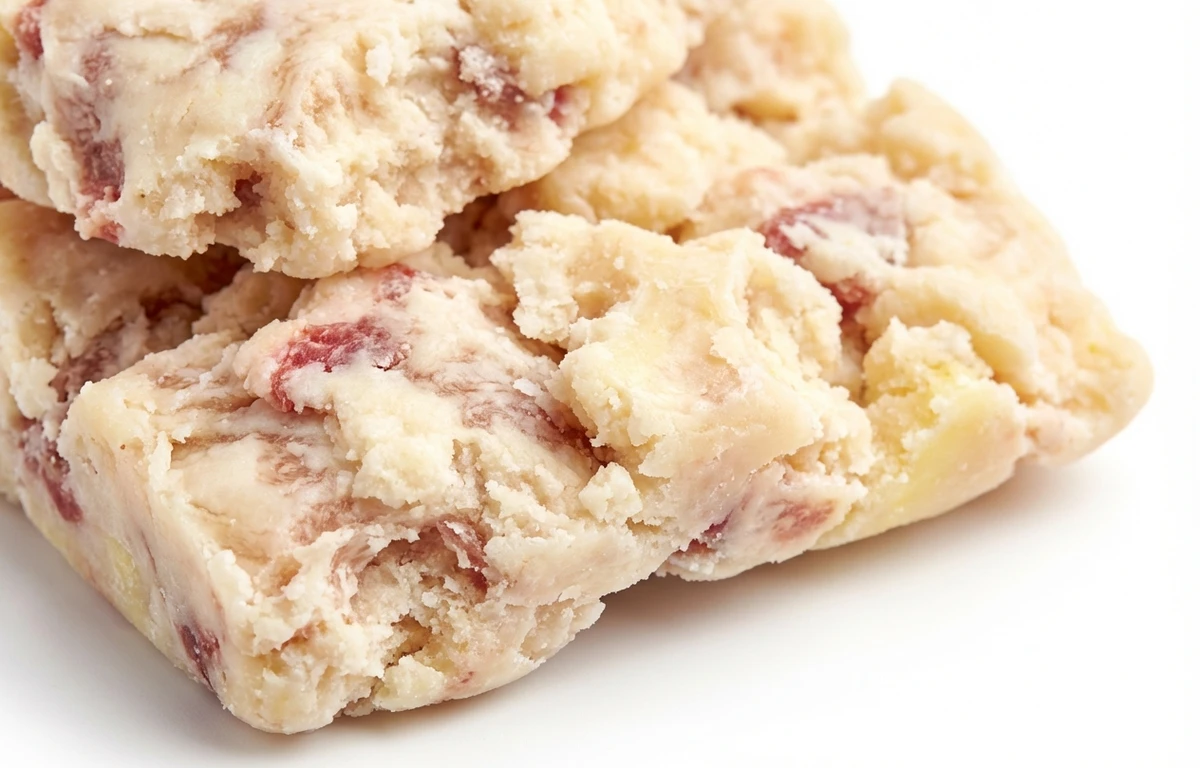
raw beef suet.
VegetarianVeganGluten-freeDairy-freeNut-freePeanut-freeSoy-freeEgg-freeShellfish-freeHoney-freeAlcohol-free
ALSO KNOWN AS
beef suet
SERVING
CALORIES
854
PROTEIN
1.5g
CARBS
0g
FAT
94g
FIBER
0g
NUTRITION PROFILE · per 100 g
Everything in this ingredient.
MACRONUTRIENTS
Calories854kcal—
Protein1.5g3%
Carbohydrates0g0%
Fiber0g0%
Sugar0g0%
Total fat94g121%
Saturated fat52.3g262%
Cholesterol68mg23%
Water4.0g—
MINERALS
Sodium7.0mg0%
Potassium16mg0%
Calcium2.0mg0%
Iron0.17mg1%
Magnesium1.0mg0%
Phosphorus15mg1%
Zinc0.22mg2%
Copper0.01mg1%
Manganese0mg0%
Selenium0.20µg0%
VITAMINS
Vitamin A0µg0%
Vitamin C0mg0%
Vitamin E1.5mg10%
Vitamin K3.6µg3%
Thiamin (B1)0.01mg1%
Riboflavin (B2)0.01mg1%
Niacin (B3)0.26mg2%
Pantothenic acid (B5)0.06mg1%
Vitamin B60.03mg2%
Folate (B9)1.0µg0%
Vitamin B120.27µg11%
%DV based on a 2,000 cal diet. Source: USDA FoodData Central. A dash in the %DV column means there’s no established Daily Value for that nutrient.
MEASUREMENT CONVERSIONS
How much is what.
1 cup218g
1 tablespoon13.6g
1 teaspoon4.5g
1 oz28.4g
1 lb453.6g
1 ml0.9g
1 liter920g
HEALTH BENEFITS
Why eat it.
- ✓Excellent source of concentrated energy due to its high caloric density from fat.
- ✓Rich in fat-soluble vitamins such as A, D, E, and K, which are essential for various bodily functions including immune support and bone health.
- ✓Contains stearic acid, a type of saturated fat that research suggests has a neutral effect on blood cholesterol levels.
- ✓Provides a natural, unprocessed source of fat, free from the trans fats often found in hydrogenated oils.
COOKING TIPS
In the kitchen.
- 1To make tallow, render suet by chopping it into small pieces and melting it slowly over low heat, then straining the liquid fat to remove impurities. Tallow has a high smoke point and is excellent for frying.
- 2For use in pastries, puddings, or dumplings, chill the suet thoroughly and grate it. This prevents it from melting and ensures a light, airy texture in the final product.
- 3Incorporate minced or grated suet into ground meat mixtures, such as for burgers or sausages, to add richness, flavor, and moisture.
- 4Suet is the traditional fat for classic British dishes like Christmas pudding, mincemeat pies, and steak and kidney pudding.
STORAGE
Keep it fresh.
- Store raw suet in an airtight container or tightly wrapped in the refrigerator at or below 40°F (4°C) for up to 5-7 days.
- For longer storage, freeze suet in a freezer-safe bag or container for up to 6 months. Grating it before freezing makes it easier to measure and use directly from the freezer.
FAQ
Frequently asked questions.
Is raw beef suet healthy?
Raw beef suet is an excellent source of concentrated energy due to its high caloric density from fat. It's rich in fat-soluble vitamins (A, D, E, K) essential for immune support and bone health. While high in saturated fat, it contains stearic acid, which research suggests has a neutral effect on blood cholesterol levels.
What are the nutritional facts for raw beef suet?
Per 100g, raw beef suet is highly caloric, providing approximately 854 calories. It contains about 1.5g of protein, 0g of carbohydrates, and a significant 94g of fat. This makes it a dense energy source, primarily composed of fat.
Is raw beef suet keto-friendly?
Yes, raw beef suet is highly keto-friendly. It is almost entirely fat with virtually no carbohydrates or protein, making it an ideal ingredient for increasing fat intake in a ketogenic diet. It provides a clean, natural source of energy for those following a low-carb, high-fat eating plan.
Is raw beef suet vegan or vegetarian?
No, raw beef suet is neither vegan nor vegetarian. It is a product derived from beef fat, specifically the hard, white fat found around the kidneys and loins of cattle. Therefore, it is an animal product.
How do you prepare or cook raw beef suet?
Raw beef suet is typically rendered down to produce beef tallow, which is a stable cooking fat. To render, chop the suet into small pieces, melt it slowly over low heat, and then strain out any solids. The resulting liquid fat (tallow) can then be stored and used for various culinary applications.
What does rendered beef suet (tallow) taste like?
Rendered beef suet, or tallow, has a rich, savory, and subtly beefy flavor. It's often described as having a clean taste that enhances the flavor of foods cooked in it without overpowering them. Its high smoke point also makes it excellent for frying and roasting.
How should raw beef suet be stored?
Raw beef suet should be stored in the refrigerator in an airtight container or tightly wrapped to prevent oxidation and absorption of odors. For longer storage, it can be frozen. If rendered into tallow, the solid tallow can be stored at cool room temperature or in the refrigerator for extended periods.
How long does raw beef suet last?
Raw beef suet can last for about 5-7 days in the refrigerator when properly stored. If frozen, it can maintain its quality for up to 6-12 months. Once rendered into tallow, it has a much longer shelf life, lasting several months at room temperature or even longer in the refrigerator.
Can raw beef suet be eaten raw?
While technically edible, raw beef suet is not commonly consumed raw due to its hard, waxy texture and high fat content, which can be difficult to digest. It is almost always rendered into tallow before consumption or incorporated into cooked dishes like puddings and pastries.
What is raw beef suet commonly used for?
Raw beef suet is primarily used for rendering into tallow, which is a traditional cooking fat for frying, roasting, and deep-frying. In baking, it's a key ingredient in traditional British dishes like suet puddings, mincemeat, and dumplings, providing richness and a unique texture. It's also used in making bird feeders.
RECIPES
Cook with raw beef suet.
1 recipes · sorted by what’s quick



















