
Seafood
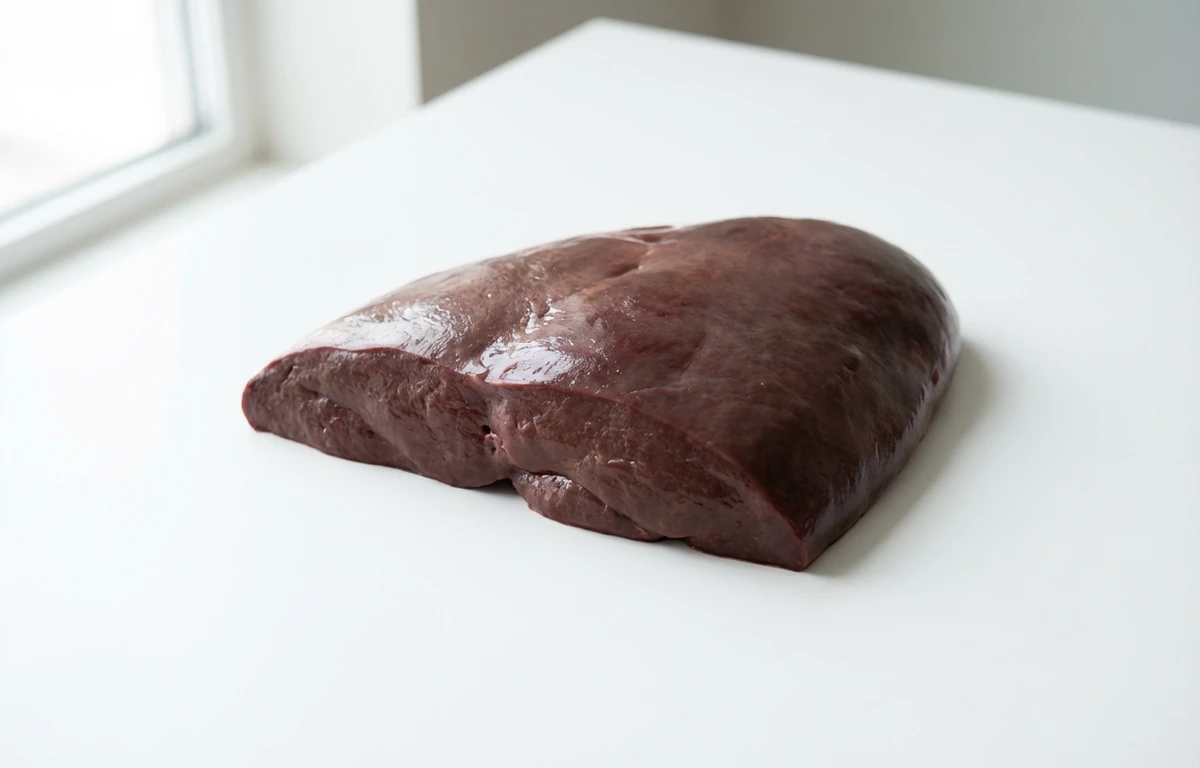
raw beluga whale liver.
VegetarianVeganGluten-freeDairy-freeNut-freePeanut-freeSoy-freeEgg-freeShellfish-freeHoney-freeAlcohol-freeHalalKosher
ALSO KNOWN AS
beluga whale liver
SERVING
CALORIES
165
PROTEIN
19.2g
CARBS
3.8g
FAT
8.1g
FIBER
0g
NUTRITION PROFILE · per 100 g
Everything in this ingredient.
MACRONUTRIENTS
Calories165kcal—
Protein19.2g38%
Carbohydrates3.8g1%
Fiber0g0%
Sugar0g0%
Total fat8.1g10%
Saturated fat2.1g11%
Trans fat0g—
Cholesterol350mg117%
Water68.5g—
MINERALS
Sodium80mg3%
Potassium280mg6%
Calcium8.0mg1%
Iron15.5mg86%
Magnesium18mg4%
Phosphorus320mg26%
Zinc4.2mg38%
Copper3.5mg389%
Manganese0.30mg13%
Selenium65µg118%
VITAMINS
Vitamin A15000µg1667%
Vitamin C25mg28%
Vitamin D12.5µg63%
Vitamin E0.80mg5%
Vitamin K3.5µg3%
Thiamin (B1)0.25mg21%
Riboflavin (B2)2.8mg215%
Niacin (B3)12.5mg78%
Pantothenic acid (B5)6.2mg124%
Vitamin B60.70mg41%
Folate (B9)220µg55%
Vitamin B1265µg2708%
%DV based on a 2,000 cal diet. Source: USDA FoodData Central. A dash in the %DV column means there’s no established Daily Value for that nutrient.
MEASUREMENT CONVERSIONS
How much is what.
1 cup248.4g
1 tablespoon15.5g
1 teaspoon5.2g
1 oz28.4g
1 lb453.6g
1 ml1.1g
1 liter1050g
HEALTH BENEFITS
Why eat it.
- ✓Contains exceptionally high, but toxic, levels of Vitamin A, essential for vision and immune function.
- ✓Rich source of heme iron, which is vital for preventing anemia and transporting oxygen in the blood.
- ✓Provides significant amounts of Vitamin B12, necessary for nerve function and red blood cell formation.
- ✓Contains omega-3 fatty acids (EPA and DHA), which support brain health and reduce inflammation.
COOKING TIPS
In the kitchen.
- 1CRITICAL WARNING: Beluga whale liver contains lethally toxic levels of Vitamin A. Consumption by humans or non-native animals (like sled dogs) can cause severe illness (hypervitaminosis A) or death.
- 2Traditional Inuit practice involves consuming it only in extremely small, carefully controlled amounts, often frozen and shaved thinly.
- 3Cooking does not neutralize the Vitamin A toxicity. Any preparation method, such as searing or frying, will not make it safe for general consumption.
- 4Due to the extreme health risk, this ingredient is not recommended for culinary use outside of specific, knowledgeable indigenous cultural practices.
STORAGE
Keep it fresh.
- Must be frozen immediately after harvesting at 0°F (-18°C) or below to prevent rapid bacterial growth and spoilage.
- Once thawed in a refrigerator, it must be used within 24 hours and should never be refrozen.
FAQ
Frequently asked questions.
Is raw beluga whale liver safe to eat?
No, consuming raw beluga whale liver is extremely dangerous and potentially fatal due to its exceptionally high concentration of Vitamin A. The levels are far beyond what the human body can safely process, leading to severe hypervitaminosis A. It is strongly advised against consumption.
What are the nutritional components of raw beluga whale liver?
Per 100g, raw beluga whale liver contains approximately 165 calories, 19.2g protein, 3.8g carbohydrates, and 8.1g fat. While it also contains beneficial nutrients like heme iron, Vitamin B12, and omega-3 fatty acids, these are overshadowed by the toxic levels of Vitamin A.
What are the potential health benefits of raw beluga whale liver?
Theoretically, it is a rich source of heme iron, Vitamin B12, and omega-3 fatty acids (EPA and DHA), which are vital for blood health, nerve function, and brain health. However, these potential benefits are entirely negated by the dangerously high, toxic levels of Vitamin A present in the liver.
What are the risks associated with consuming raw beluga whale liver?
The primary risk is severe hypervitaminosis A, which can cause symptoms like nausea, vomiting, headaches, blurred vision, skin peeling, and liver damage, potentially leading to death. There's also a risk of exposure to environmental contaminants like heavy metals and PCBs, common in marine mammals.
How much Vitamin A is in raw beluga whale liver, and why is it dangerous?
Beluga whale liver contains extremely high concentrations of Vitamin A, often tens of thousands of times the recommended daily intake in a single serving. This excessive amount overwhelms the liver's ability to process it, leading to acute or chronic toxicity (hypervitaminosis A), which can be fatal.
How is raw beluga whale liver traditionally prepared or consumed?
Historically, some Arctic indigenous communities have consumed beluga whale liver, often in small, carefully managed quantities, or after specific traditional preparations. However, even within these traditions, the understanding of its potency and the risks associated with overconsumption are often present. For general consumption, it is not recommended.
Is raw beluga whale liver legal or ethically sourced?
The hunting and consumption of beluga whales are highly regulated and often restricted due to conservation concerns and international agreements. In many parts of the world, it is illegal to hunt or consume beluga whale products. Ethical sourcing is also a significant concern given the species' conservation status.
Can raw beluga whale liver be cooked to reduce its toxicity?
No, cooking beluga whale liver does not reduce its Vitamin A content or mitigate its toxicity. Vitamin A is heat-stable, meaning that heating or cooking the liver will not make it safe for consumption. The dangerous levels of Vitamin A will remain.
How should raw beluga whale liver be stored if obtained?
Given the extreme toxicity and legal restrictions, obtaining and storing beluga whale liver for consumption is strongly discouraged. If, for research or other specific purposes, it were to be stored, it would require immediate freezing at very low temperatures to preserve its integrity, similar to other organ meats.
Is raw beluga whale liver suitable for specific diets like keto or low-carb?
While its macronutrient profile (high protein, moderate fat, low carb) might superficially align with diets like keto, raw beluga whale liver is absolutely not suitable for any human diet due to its extreme toxicity. The severe health risks far outweigh any theoretical dietary benefits.



















