
Meat
raw bison shoulder clod.
VegetarianVeganGluten-freeDairy-freeNut-freePeanut-freeSoy-freeEgg-freeShellfish-freeHoney-freeAlcohol-free
ALSO KNOWN AS
bison shoulder
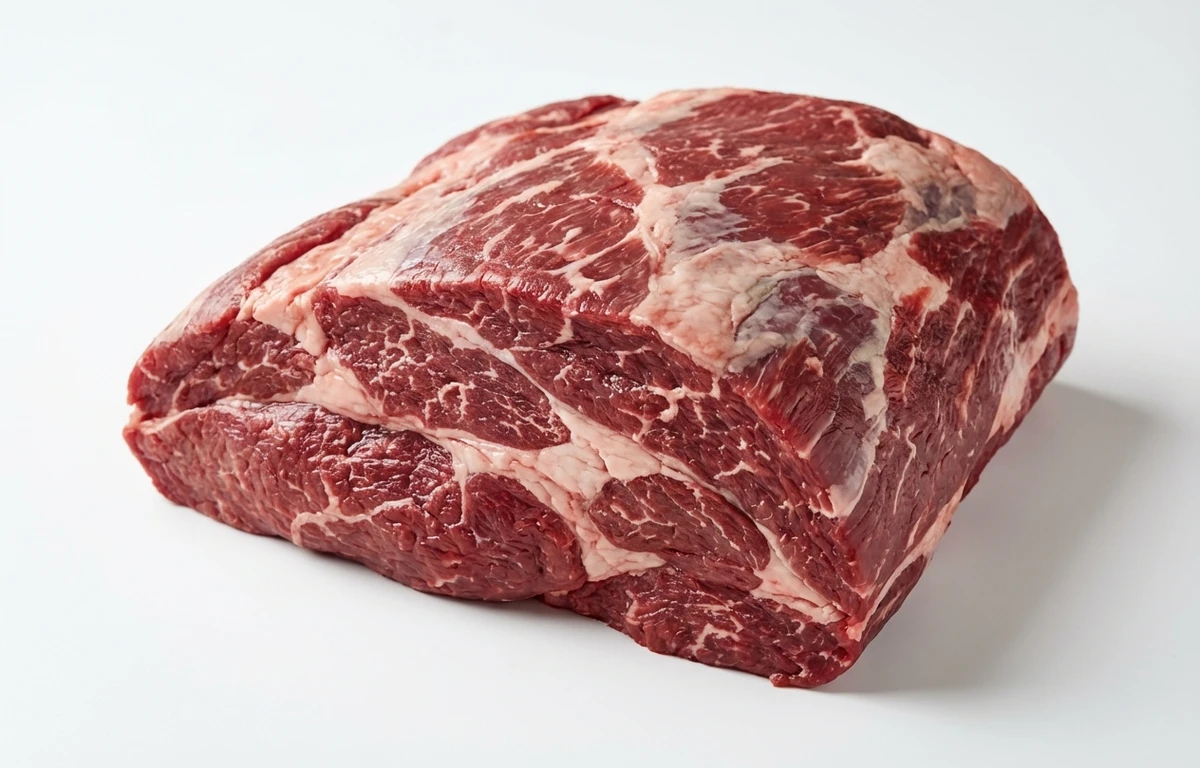
SERVING
CALORIES
109
PROTEIN
21.6g
CARBS
0g
FAT
1.8g
FIBER
0g
NUTRITION PROFILE · per 100 g
Everything in this ingredient.
MACRONUTRIENTS
Calories109kcal—
Protein21.6g43%
Carbohydrates0g0%
Fiber0g0%
Sugar0g0%
Total fat1.8g2%
Saturated fat0.70g3%
Trans fat0g—
Cholesterol62mg21%
Water75.4g—
MINERALS
Sodium54mg2%
Potassium335mg7%
Calcium10mg1%
Iron3.4mg19%
Magnesium22mg5%
Phosphorus185mg15%
Zinc4.8mg44%
Copper0.12mg13%
Manganese0.01mg0%
Selenium25.5µg46%
VITAMINS
Vitamin A0µg0%
Vitamin C0mg0%
Vitamin D0µg0%
Vitamin E0.20mg1%
Vitamin K1.1µg1%
Thiamin (B1)0.08mg7%
Riboflavin (B2)0.21mg16%
Niacin (B3)4.5mg28%
Pantothenic acid (B5)0.60mg12%
Vitamin B60.40mg24%
Folate (B9)6.0µg2%
Vitamin B122.1µg88%
%DV based on a 2,000 cal diet. Source: USDA FoodData Central. A dash in the %DV column means there’s no established Daily Value for that nutrient.
MEASUREMENT CONVERSIONS
How much is what.
1 cup155g
1 oz28.4g
1 lb453.6g
1 piece110g
HEALTH BENEFITS
Why eat it.
- ✓Excellent source of high-quality, complete protein essential for muscle building and repair.
- ✓Richer in iron and vitamin B12 than beef, supporting energy metabolism and preventing anemia.
- ✓Generally lower in fat and calories compared to equivalent cuts of beef, making it a leaner red meat option.
- ✓Provides significant amounts of zinc and selenium, which are crucial for immune function and antioxidant defense.
COOKING TIPS
In the kitchen.
- 1The shoulder clod is a tough, muscular cut, making it ideal for low-and-slow cooking methods like braising, stewing, or pot roasting to break down connective tissue.
- 2It can be fabricated into smaller cuts like the flat iron steak (for grilling) or ranch steak, but be careful not to overcook due to its leanness.
- 3Marinating the meat for at least 4-6 hours can help tenderize it and add moisture and flavor.
- 4When roasting, cook at a low temperature (e.g., 275°F / 135°C) until it reaches the desired internal temperature to ensure it remains tender and juicy.
STORAGE
Keep it fresh.
- Refrigerate raw bison shoulder clod immediately at 40°F (4°C) or below and cook within 3 to 5 days.
- For long-term storage, wrap tightly in freezer paper or a vacuum-sealed bag and freeze at 0°F (-18°C) for up to 12 months.
FAQ
Frequently asked questions.
Is raw bison shoulder clod healthy?
Yes, raw bison shoulder clod is a very healthy choice. It's an excellent source of high-quality, complete protein essential for muscle building and repair. It's also richer in iron and vitamin B12 than beef, supporting energy metabolism and preventing anemia, while being lower in fat and calories.
What are the nutritional values of bison shoulder clod?
Per 100 grams, raw bison shoulder clod contains approximately 109 calories, 21.6 grams of protein, 0 grams of carbohydrates, and 1.8 grams of fat. It's a very lean protein source, also providing significant amounts of zinc and selenium crucial for immune function.
Is bison shoulder clod good for weight loss?
Absolutely. Its high protein content promotes satiety, helping to reduce overall calorie intake. Being very low in fat and calories compared to many other red meats, it's an ideal choice for those managing their weight while still getting essential nutrients.
Is bison shoulder clod keto-friendly or low-carb?
Yes, bison shoulder clod is perfectly suited for keto and low-carb diets. It contains 0 grams of carbohydrates, making it an excellent protein source that won't impact your carb count. Its lean profile also fits well into many dietary plans.
Is bison shoulder clod gluten-free?
Yes, like all unprocessed meats, raw bison shoulder clod is naturally gluten-free. It is a pure protein source without any added ingredients that might contain gluten, making it safe for individuals with celiac disease or gluten sensitivity.
How should I cook bison shoulder clod?
Bison shoulder clod is a lean, tougher cut, so it benefits from slow, moist cooking methods. Braising, stewing, or roasting at a low temperature for an extended period will help tenderize it. It's excellent for pot roasts, stews, or shredded meat dishes.
What does bison shoulder clod taste like?
Bison shoulder clod has a rich, slightly sweeter, and less gamey flavor than some might expect, often described as similar to lean beef. Because it's so lean, it tends to absorb marinades and seasonings very well, enhancing its natural taste.
How do I store raw bison shoulder clod?
Store raw bison shoulder clod in its original packaging or in an airtight container in the coldest part of your refrigerator. For longer storage, wrap it tightly in plastic wrap and then aluminum foil, or place it in a freezer-safe bag, and freeze it.
How long does raw bison shoulder clod last in the refrigerator or freezer?
In the refrigerator, raw bison shoulder clod typically lasts 3-5 days. When properly frozen at 0°F (-18°C) or below, it can maintain its quality for 6-12 months. Always thaw frozen meat in the refrigerator, not at room temperature.
Can bison shoulder clod be substituted for beef in recipes?
Yes, bison shoulder clod can generally be substituted for beef shoulder or chuck in most recipes, especially those calling for slow cooking. Keep in mind that bison is leaner, so it may cook slightly faster and benefit from added moisture to prevent drying out.



















