
Legume
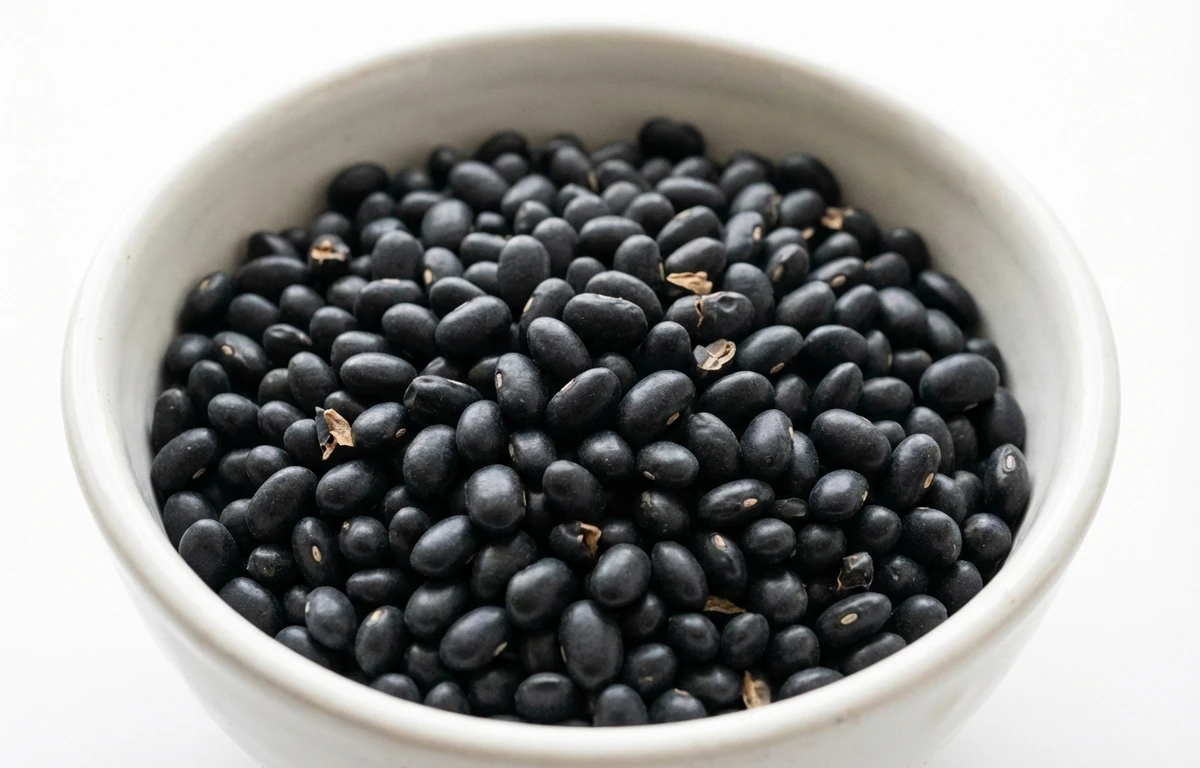
raw black beans.
VegetarianVeganGluten-freeDairy-freeNut-freePeanut-freeSoy-freeEgg-freeShellfish-freeHoney-freeAlcohol-free
SERVING
CALORIES
341
PROTEIN
21.6g
CARBS
62.4g
FAT
1.4g
FIBER
15.5g
NUTRITION PROFILE · per 100 g
Everything in this ingredient.
MACRONUTRIENTS
Calories341kcal—
Protein21.6g43%
Carbohydrates62.4g23%
Fiber15.5g55%
Sugar2.1g4%
Total fat1.4g2%
Saturated fat0.37g2%
Trans fat0g—
Cholesterol0mg0%
Water11g—
MINERALS
Sodium5.0mg0%
Potassium1483mg32%
Calcium123mg9%
Iron5.0mg28%
Magnesium171mg41%
Phosphorus352mg28%
Zinc3.6mg33%
Copper0.84mg93%
Manganese1.1mg46%
Selenium3.2µg6%
VITAMINS
Vitamin A0µg0%
Vitamin C0mg0%
Vitamin D0µg0%
Vitamin E0.21mg1%
Vitamin K5.6µg5%
Thiamin (B1)0.90mg75%
Riboflavin (B2)0.19mg15%
Niacin (B3)2.0mg12%
Pantothenic acid (B5)0.90mg18%
Vitamin B60.29mg17%
Folate (B9)444µg111%
Vitamin B120µg0%
%DV based on a 2,000 cal diet. Source: USDA FoodData Central. A dash in the %DV column means there’s no established Daily Value for that nutrient.
MEASUREMENT CONVERSIONS
How much is what.
1 cup194g
1 tablespoon12.1g
1 teaspoon4g
1 ml0.8g
1 liter806.7g
HEALTH BENEFITS
Why eat it.
- ✓Rich in dietary fiber, which supports digestive health and helps regulate blood sugar levels.
- ✓Excellent source of plant-based protein and iron, crucial for muscle maintenance and oxygen transport.
- ✓Contain anthocyanins, antioxidants that may help reduce the risk of chronic diseases like heart disease.
- ✓High in folate and magnesium, which are important for heart health and nerve function.
COOKING TIPS
In the kitchen.
- 1Soak dried beans in water for at least 8 hours or overnight to reduce cooking time and improve digestibility.
- 2For a quick soak, cover beans with water, bring to a boil for 2-3 minutes, remove from heat, and let stand for one hour.
- 3Wait to add salt and acidic ingredients like tomatoes or lime juice until the beans are fully tender, as they can toughen the skins.
- 4Combine with a grain like rice or corn to form a complete protein containing all essential amino acids.
STORAGE
Keep it fresh.
- Store dried black beans in an airtight container in a cool, dark, and dry place like a pantry for up to one year for best quality.
- Cooked black beans can be stored in an airtight container in the refrigerator for 3-5 days or frozen for up to 6 months.
FAQ
Frequently asked questions.
Is raw black beans healthy?
Yes, black beans are highly nutritious. They are an excellent source of dietary fiber, plant-based protein, and various essential vitamins and minerals like iron, folate, and magnesium. Their antioxidant content also contributes to overall health.
What are the nutritional benefits of black beans?
Black beans are rich in dietary fiber, which aids digestion and helps regulate blood sugar levels. They provide a significant amount of plant-based protein (21.6g per 100g dry), essential for muscle health, and contain antioxidants like anthocyanins that may reduce chronic disease risk. They also offer folate and magnesium for heart and nerve function.
How much protein and calories are in black beans?
Per 100g of dry raw black beans, there are approximately 21.6g of protein and 341 calories. They also contain 62.36g of carbohydrates and 1.42g of fat, making them a nutrient-dense food.
Can you eat raw black beans?
No, raw black beans should not be eaten. They contain lectins, specifically phytohaemagglutinin, which are toxic and can cause severe digestive upset like nausea, vomiting, and diarrhea. Always cook black beans thoroughly before consumption.
How do you cook raw black beans?
Raw black beans must be soaked for at least 8 hours or overnight, then rinsed thoroughly. After soaking, boil them in fresh water for 60-90 minutes until tender. A pressure cooker can significantly reduce cooking time to about 20-30 minutes after soaking.
Are black beans vegan and gluten-free?
Yes, black beans are naturally vegan as they are a plant-based legume. They are also naturally gluten-free, making them a suitable ingredient for individuals following a gluten-free diet.
Are black beans good for weight loss?
Yes, black beans can be beneficial for weight loss. Their high fiber and protein content promote satiety, helping you feel full longer and potentially reducing overall calorie intake. They are also relatively low in fat.
Can diabetics eat black beans?
Yes, black beans are an excellent food choice for diabetics. Their high fiber content helps slow down sugar absorption, leading to more stable blood glucose levels. They also have a low glycemic index, making them a healthy carbohydrate option.
How do you store raw black beans?
Raw, dry black beans should be stored in an airtight container in a cool, dark, and dry place, such as a pantry. Proper storage helps maintain their quality and extends their shelf life for several years.
Do black beans need to be soaked before cooking?
While not strictly mandatory, soaking raw black beans is highly recommended. Soaking reduces cooking time, helps them cook more evenly, and can also improve digestibility by reducing some of the gas-producing compounds.



















