
Seafood
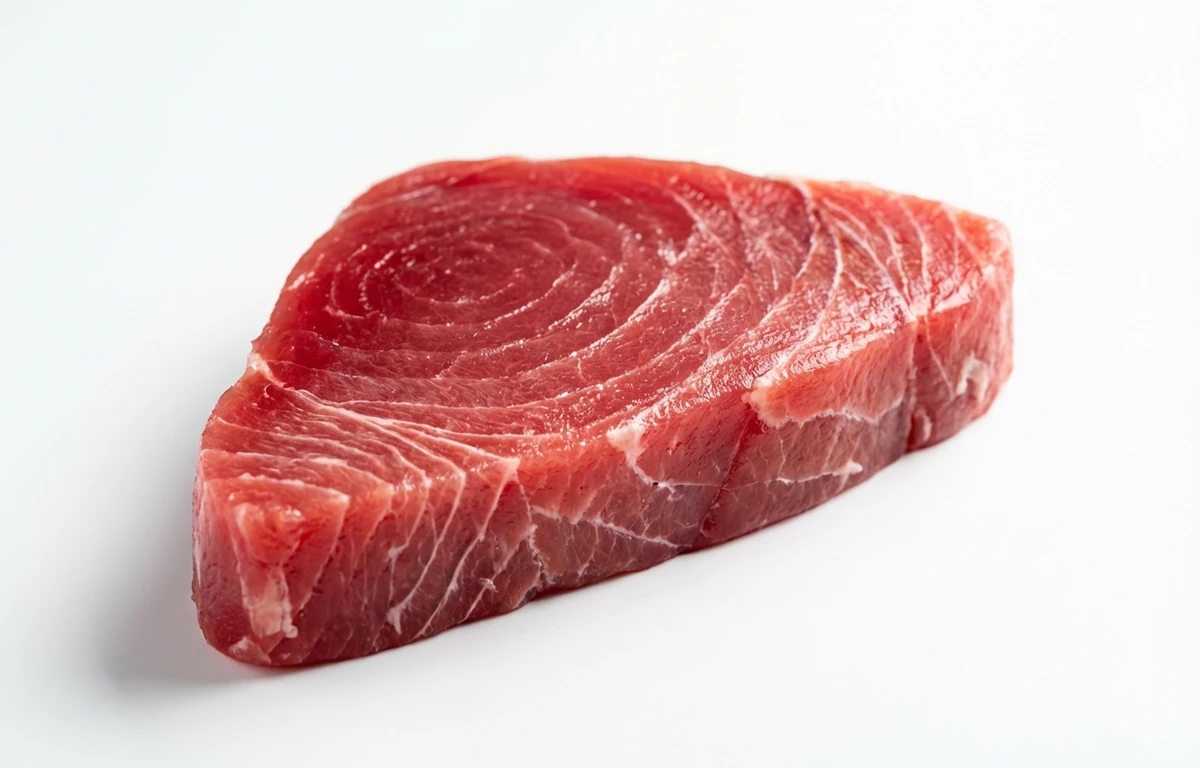
raw bluefin tuna.
VegetarianVeganGluten-freeDairy-freeNut-freePeanut-freeSoy-freeEgg-freeShellfish-freeHoney-freeAlcohol-free
ALSO KNOWN AS
bluefin tuna
SERVING
CALORIES
144
PROTEIN
23.3g
CARBS
0g
FAT
4.9g
FIBER
0g
NUTRITION PROFILE · per 100 g
Everything in this ingredient.
MACRONUTRIENTS
Calories144kcal—
Protein23.3g47%
Carbohydrates0g0%
Fiber0g0%
Sugar0g0%
Total fat4.9g6%
Saturated fat1.3g6%
Cholesterol38mg13%
Water68.1g—
MINERALS
Sodium39mg2%
Potassium252mg5%
Calcium8.0mg1%
Iron1.0mg6%
Magnesium50mg12%
Phosphorus254mg20%
Zinc0.60mg5%
Copper0.09mg10%
Manganese0.02mg1%
Selenium36.5µg66%
VITAMINS
Vitamin A655µg73%
Vitamin C0mg0%
Vitamin D5.7µg29%
Vitamin E1.0mg7%
Vitamin K0µg0%
Thiamin (B1)0.24mg20%
Riboflavin (B2)0.25mg19%
Niacin (B3)8.7mg54%
Pantothenic acid (B5)1.1mg21%
Vitamin B60.46mg27%
Folate (B9)2.0µg1%
Vitamin B129.4µg393%
%DV based on a 2,000 cal diet. Source: USDA FoodData Central. A dash in the %DV column means there’s no established Daily Value for that nutrient.
MEASUREMENT CONVERSIONS
How much is what.
1 cup150g
1 oz28.4g
1 lb453.6g
1 piece140g
HEALTH BENEFITS
Why eat it.
- ✓Excellent source of omega-3 fatty acids (EPA and DHA), which support brain health, reduce inflammation, and promote cardiovascular health.
- ✓Rich in high-quality, complete protein, essential for muscle building, tissue repair, and enzyme production.
- ✓High in Vitamin B12, crucial for red blood cell formation and maintaining proper neurological function.
- ✓Provides a significant amount of selenium, a powerful antioxidant that helps protect cells from oxidative damage.
COOKING TIPS
In the kitchen.
- 1For raw preparations like sashimi or sushi, ensure the tuna is 'sushi-grade', meaning it was flash-frozen to kill parasites. Slice thinly against the grain for the most tender texture.
- 2When searing, use a very hot pan with a high-smoke-point oil. Cook for only 30-60 seconds per side to keep the center rare and moist.
- 3Bluefin tuna has a rich flavor that requires minimal seasoning. A light brush of soy sauce, a sprinkle of sea salt, or a side of wasabi and pickled ginger is often sufficient.
- 4Avoid overcooking, as it will become dry and tough. The goal is typically to have a warm exterior with a cool, raw interior.
STORAGE
Keep it fresh.
- For consumption within 24 hours, store in an airtight container in the coldest part of the refrigerator, ideally between 32-38°F (0-3°C).
- For longer storage, use a vacuum sealer or wrap tightly in plastic wrap and foil, then freeze immediately. For best quality, consume within 3 months.
- Thaw frozen tuna in the refrigerator overnight. Avoid thawing at room temperature to minimize the risk of bacterial growth.
FAQ
Frequently asked questions.
Is raw bluefin tuna healthy?
Yes, raw bluefin tuna is highly nutritious. It's an excellent source of omega-3 fatty acids (EPA and DHA) crucial for brain and heart health, and it's rich in high-quality protein, Vitamin B12, and selenium. These nutrients support overall well-being, muscle repair, and immune function.
What are the nutritional values of raw bluefin tuna?
Per 100g, raw bluefin tuna contains approximately 144 calories, 23.33g of high-quality protein, 0g of carbohydrates, and 4.9g of fat. It's also packed with essential vitamins and minerals like B12 and selenium, contributing to its health benefits.
Is raw bluefin tuna good for weight loss?
Yes, raw bluefin tuna can be beneficial for weight loss due to its high protein content and relatively low calorie count. Protein helps increase satiety, reduce overall calorie intake, and preserve muscle mass during calorie restriction, making it a valuable addition to a balanced diet.
Is raw bluefin tuna safe to eat for everyone, especially pregnant women or children?
Raw bluefin tuna carries a high risk of mercury contamination, which can be harmful to developing nervous systems. Therefore, pregnant women, breastfeeding mothers, young children, and those trying to conceive should avoid or severely limit consumption of bluefin tuna. Others should also consume it in moderation.
Is raw bluefin tuna keto-friendly or low-carb?
Yes, raw bluefin tuna is an excellent choice for keto and low-carb diets. It contains 0g of carbohydrates and is rich in protein and healthy fats, making it a perfect fit for maintaining ketosis and supporting a low-carb lifestyle.
How should raw bluefin tuna be prepared for consumption?
Raw bluefin tuna is most commonly enjoyed as sashimi, where it's thinly sliced and served plain, or as part of sushi rolls. It's also popular in poke bowls, where diced tuna is marinated with various seasonings and mixed with other ingredients. Always ensure it is 'sushi-grade' for raw consumption.
What does raw bluefin tuna taste like?
Raw bluefin tuna has a rich, buttery, and slightly sweet flavor with a firm yet melt-in-your-mouth texture. The fattier cuts, like 'otoro,' are particularly prized for their intense marbling and luxurious mouthfeel, offering a truly decadent experience.
How do you store raw bluefin tuna to maintain freshness?
Raw bluefin tuna should be stored immediately in the coldest part of your refrigerator, ideally packed on ice, and consumed within 1-2 days of purchase. For longer storage, it can be frozen, but this may affect its texture when thawed for raw consumption.
How can you tell if raw bluefin tuna is fresh and safe to eat?
Fresh raw bluefin tuna should have a vibrant, deep red color, a firm and moist texture, and a mild, clean ocean smell, not fishy. Avoid tuna that looks dull, discolored, has a strong odor, or feels slimy, as these are signs of spoilage.
What are the environmental concerns regarding bluefin tuna?
Bluefin tuna species, particularly Atlantic bluefin, have faced severe overfishing, leading to critically endangered populations. Sustainable fishing practices are crucial, and consumers are encouraged to choose tuna from certified sustainable sources or opt for more abundant tuna species to help protect these populations.



















