
Seafood
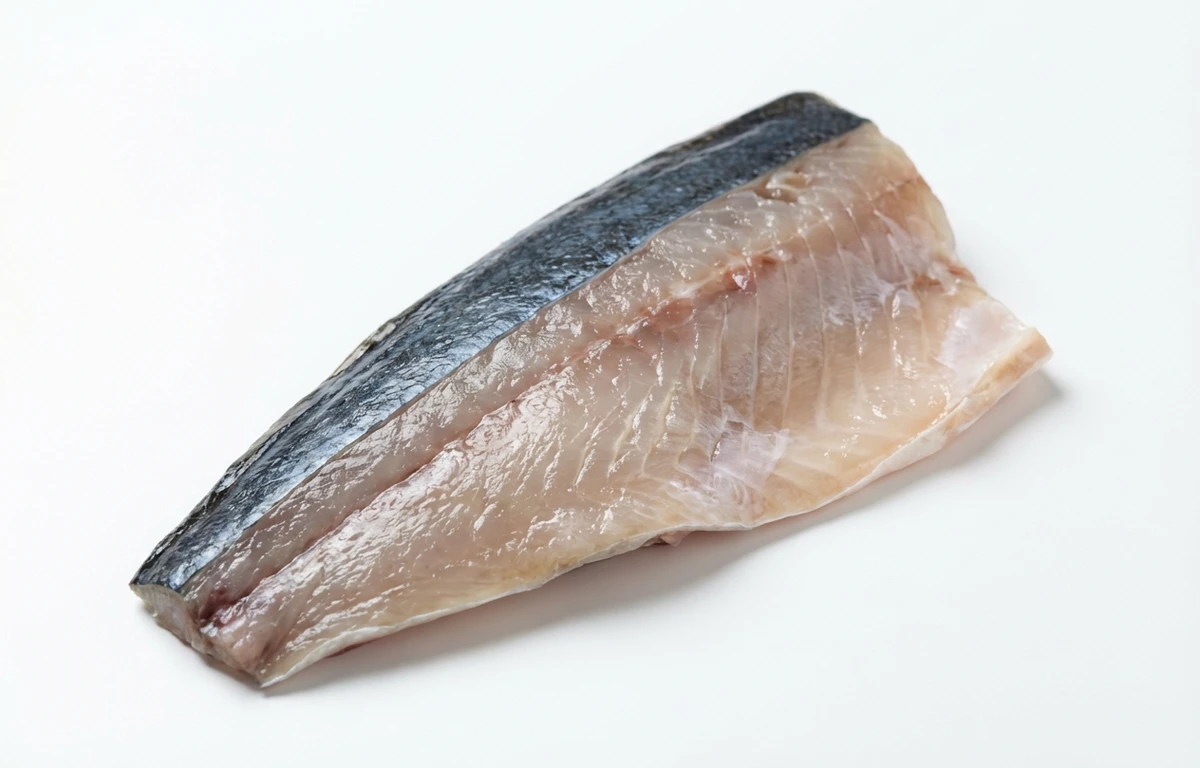
raw bluefish.
VegetarianVeganGluten-freeDairy-freeNut-freePeanut-freeSoy-freeEgg-freeShellfish-freeHoney-freeAlcohol-free
ALSO KNOWN AS
bluefish
SERVING
CALORIES
124
PROTEIN
20g
CARBS
0g
FAT
4.2g
FIBER
0g
NUTRITION PROFILE · per 100 g
Everything in this ingredient.
MACRONUTRIENTS
Calories124kcal—
Protein20g40%
Carbohydrates0g0%
Fiber0g0%
Sugar0g0%
Total fat4.2g5%
Saturated fat0.91g5%
Trans fat0g—
Cholesterol59mg20%
Water74.8g—
MINERALS
Sodium60mg3%
Potassium372mg8%
Calcium7.0mg1%
Iron0.48mg3%
Magnesium31mg7%
Phosphorus227mg18%
Zinc0.54mg5%
Copper0.04mg4%
Manganese0.01mg0%
Selenium36.5µg66%
VITAMINS
Vitamin A44µg5%
Vitamin C0mg0%
Vitamin D12.5µg63%
Vitamin E0.70mg5%
Vitamin K0.10µg0%
Thiamin (B1)0.12mg10%
Riboflavin (B2)0.12mg9%
Niacin (B3)5.9mg37%
Pantothenic acid (B5)0.75mg15%
Vitamin B60.40mg24%
Folate (B9)2.0µg1%
Vitamin B125.4µg225%
%DV based on a 2,000 cal diet. Source: USDA FoodData Central. A dash in the %DV column means there’s no established Daily Value for that nutrient.
MEASUREMENT CONVERSIONS
How much is what.
1 oz28.4g
1 lb453.6g
1 piece170g
HEALTH BENEFITS
Why eat it.
- ✓Excellent source of omega-3 fatty acids (EPA and DHA), which support cardiovascular health and brain function.
- ✓Rich in high-quality protein, essential for muscle building, tissue repair, and immune system support.
- ✓Provides significant amounts of Vitamin B12, crucial for nerve function and the formation of red blood cells.
- ✓Good source of selenium, a powerful antioxidant that helps protect cells from damage and supports thyroid function.
COOKING TIPS
In the kitchen.
- 1Bluefish has a strong, distinct flavor and oily texture; pair it with acidic ingredients like lemon, tomatoes, or vinegar to cut through the richness.
- 2Grilling, broiling, and smoking are ideal cooking methods as the high heat complements its oiliness and crisps the skin.
- 3Due to its strong flavor, bluefish is excellent for making smoked fish pâté or dip.
- 4Always cook bluefish as fresh as possible, as its flavor can become overly strong and 'fishy' if it's not handled and stored properly.
STORAGE
Keep it fresh.
- For immediate use, store raw bluefish in the coldest part of the refrigerator (below 40°F or 4°C) on a bed of ice in a covered container and consume within 1-2 days.
- For longer storage, pat the fish dry, wrap tightly in plastic wrap then aluminum foil or place in a vacuum-sealed bag, and freeze at 0°F (-18°C). It is best used within 3 months.
FAQ
Frequently asked questions.
Is bluefish healthy? What are its main benefits?
Yes, bluefish is very healthy. It's an excellent source of omega-3 fatty acids (EPA and DHA), which support heart and brain health. It also provides high-quality protein, Vitamin B12 for nerve function, and selenium, a powerful antioxidant.
What is the nutritional content of bluefish?
Per 100g, raw bluefish contains approximately 124 calories, 20.04g of high-quality protein, 0g of carbohydrates, and 4.24g of fat. It's a lean protein source rich in essential nutrients.
Is bluefish good for weight loss?
Yes, bluefish can be beneficial for weight loss. It's high in protein, which promotes satiety and helps maintain muscle mass, and relatively low in calories and carbohydrates. Its healthy fats also contribute to overall well-being.
Is bluefish safe for people with diabetes?
Yes, bluefish is an excellent choice for individuals with diabetes. It contains no carbohydrates, so it won't impact blood sugar levels. Its omega-3 fatty acids can also help reduce inflammation and support cardiovascular health, which is beneficial for diabetics.
Is bluefish keto-friendly or low-carb?
Absolutely, bluefish is very keto-friendly and low-carb. With 0g of carbohydrates per 100g, it fits perfectly into ketogenic and low-carb diets, providing essential protein and healthy fats without adding carbs.
How should bluefish be cooked?
Bluefish has a rich, somewhat oily flavor, making it suitable for grilling, baking, or broiling. Due to its oiliness, it holds up well to strong flavors and can be marinated. Be careful not to overcook it, as it can dry out.
What does bluefish taste like?
Bluefish has a distinct, strong, and somewhat 'fishy' flavor, often described as rich and oily. Its taste can vary depending on its size and diet, with smaller fish generally having a milder flavor. Many enjoy its robust taste.
How should I store fresh bluefish?
Fresh bluefish should be stored in the coldest part of your refrigerator, ideally on a bed of ice, for up to 1-2 days. For longer storage, it can be frozen. Wrap it tightly in plastic wrap and then foil or place in a freezer bag to prevent freezer burn.
Can bluefish be eaten raw, like in sushi?
While some fish are commonly eaten raw, bluefish is generally not recommended for raw consumption due to its strong flavor and potential for parasites. It's best to cook bluefish thoroughly to ensure safety and optimal taste.
Is bluefish high in mercury?
Bluefish is considered to have moderate to high mercury levels, especially larger, older fish. The FDA advises limiting consumption for pregnant women, nursing mothers, and young children. For others, moderate consumption (e.g., once a week) is generally considered safe.



















