Seafood
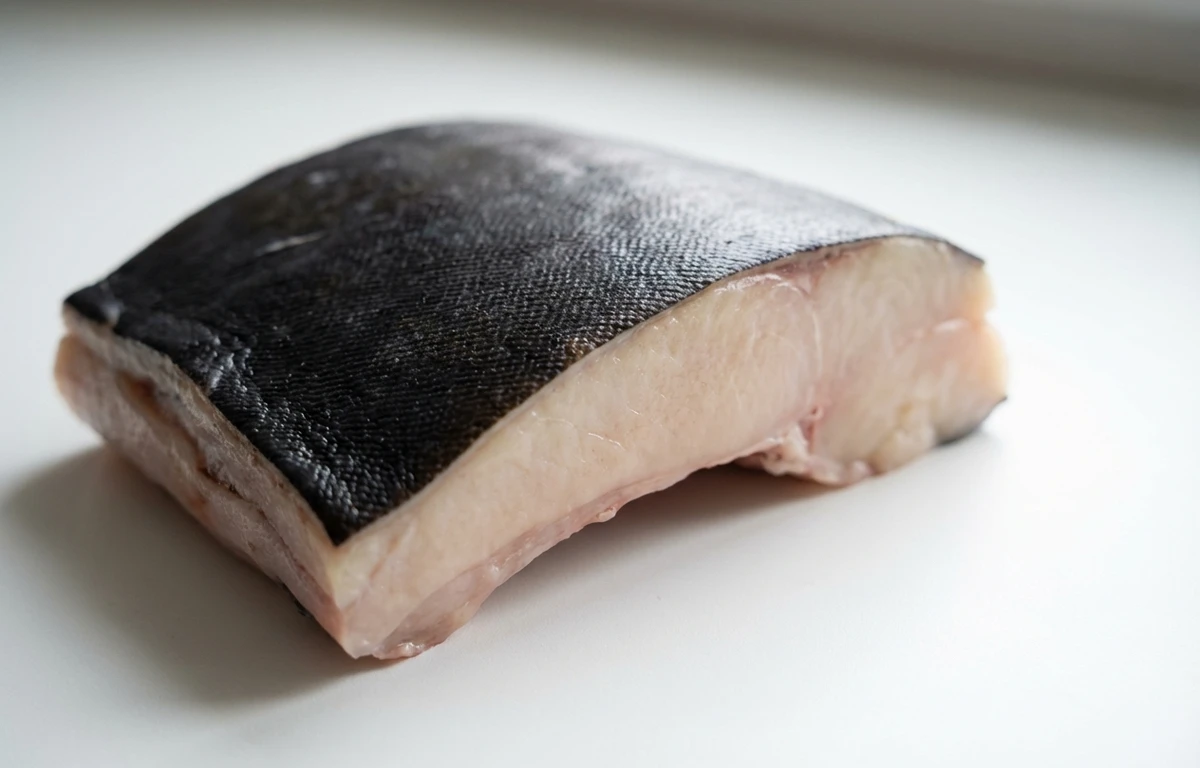
raw bowhead whale muktuk.
VegetarianVeganGluten-freeDairy-freeNut-freePeanut-freeSoy-freeEgg-freeShellfish-freeHoney-freeAlcohol-freeHalalKosher
ALSO KNOWN AS
bowhead whale skinwhale muktuk
SERVING
CALORIES
465
PROTEIN
12.6g
CARBS
0g
FAT
45.2g
FIBER
0g
NUTRITION PROFILE · per 100 g
Everything in this ingredient.
MACRONUTRIENTS
Calories465kcal—
Protein12.6g25%
Carbohydrates0g0%
Fiber0g0%
Sugar0g0%
Total fat45.2g58%
Saturated fat10.2g51%
Trans fat0g—
Cholesterol82mg27%
Water41.5g—
MINERALS
Sodium55mg2%
Potassium180mg4%
Calcium15mg1%
Iron1.8mg10%
Magnesium12mg3%
Phosphorus110mg9%
Zinc1.2mg11%
Copper0.05mg6%
Manganese0.02mg1%
Selenium45µg82%
VITAMINS
Vitamin A150µg17%
Vitamin C36mg40%
Vitamin D12.5µg63%
Vitamin E1.5mg10%
Vitamin K0µg0%
Thiamin (B1)0.05mg4%
Riboflavin (B2)0.12mg9%
Niacin (B3)2.5mg16%
Pantothenic acid (B5)0.40mg8%
Vitamin B60.10mg6%
Folate (B9)5.0µg1%
Vitamin B124.5µg188%
%DV based on a 2,000 cal diet. Source: USDA FoodData Central. A dash in the %DV column means there’s no established Daily Value for that nutrient.
MEASUREMENT CONVERSIONS
How much is what.
1 cup229.5g
1 tablespoon14.4g
1 teaspoon4.8g
1 oz28.4g
1 lb453.6g
1 ml1g
1 liter970g
HEALTH BENEFITS
Why eat it.
- ✓Exceptionally rich in Vitamin C, historically crucial for preventing scurvy in Arctic diets.
- ✓Excellent source of long-chain omega-3 fatty acids (EPA and DHA), which support cardiovascular and brain health.
- ✓High in Vitamin D, essential for bone health and immune function, particularly in regions with limited sunlight.
- ✓Provides a significant amount of Vitamin A and selenium, an important antioxidant.
COOKING TIPS
In the kitchen.
- 1Traditionally consumed raw. Slice into small, bite-sized cubes and serve chilled. The texture is a combination of chewy skin and soft, oily blubber.
- 2Season simply with coarse salt to enhance the flavor. Some modern preparations include serving with soy sauce.
- 3For easier slicing, cut the muktuk while it is still partially frozen.
- 4While less common, muktuk can be boiled briefly to soften the texture or lightly pan-fried.
STORAGE
Keep it fresh.
- For long-term storage, freeze immediately in airtight, vacuum-sealed bags at 0°F (-18°C) or lower to prevent rancidity and freezer burn.
- If planning to consume within a day or two, store in a sealed container in the coldest part of the refrigerator (below 40°F or 4°C).
FAQ
Frequently asked questions.
Is raw bowhead whale muktuk healthy?
Yes, muktuk is considered a highly nutritious food, especially in Arctic diets. It's an excellent source of essential vitamins like C, D, and A, as well as beneficial omega-3 fatty acids and selenium. However, it is very high in calories and fat, so moderation is key.
What are the key nutritional benefits of muktuk?
Muktuk is exceptionally rich in Vitamin C, historically vital for preventing scurvy in Arctic regions. It also provides significant amounts of long-chain omega-3 fatty acids (EPA and DHA) for heart and brain health, Vitamin D for bones and immunity, and Vitamin A and selenium.
How many calories, protein, and fat are in muktuk?
Per 100g, raw bowhead whale muktuk contains approximately 465 calories, 12.6g of protein, and 45.2g of fat. It has 0g of carbohydrates, making it a very energy-dense food.
Is muktuk suitable for a keto or low-carb diet?
Yes, muktuk is naturally very low in carbohydrates (0g per 100g) and high in fat, making it suitable for ketogenic and low-carb diets. Its high fat content provides a significant energy source.
Is muktuk gluten-free?
Yes, raw bowhead whale muktuk is naturally gluten-free. It consists solely of whale skin and blubber, containing no grains or gluten-containing ingredients.
How is muktuk traditionally prepared and eaten?
Muktuk is almost exclusively eaten raw, often cut into small pieces. It can be consumed plain or sometimes dipped in soy sauce or other condiments, depending on cultural preferences. It is a staple food in many Indigenous Arctic communities.
What does raw muktuk taste and feel like?
Raw muktuk has a unique texture, with the skin being firm and chewy, and the blubber being oily and somewhat gelatinous. The taste is often described as subtly nutty, rich, and slightly marine, without being overly 'fishy'.
How should raw muktuk be stored?
Raw muktuk should be stored frozen to maintain its freshness and prevent spoilage, especially given its high fat content. Once thawed, it should be consumed promptly or kept refrigerated for a very short period.
Is it safe to eat muktuk raw?
Yes, muktuk is traditionally and safely consumed raw by Indigenous Arctic peoples. It is a culturally significant food, and its preparation and consumption methods have been passed down through generations.
Are there any potential health concerns or contaminants in muktuk?
Like other marine mammals, muktuk can accumulate environmental contaminants such as mercury, PCBs, and other persistent organic pollutants. However, the benefits of traditional foods are often considered to outweigh the risks, and consumption levels are typically monitored within communities.