
Vegetable
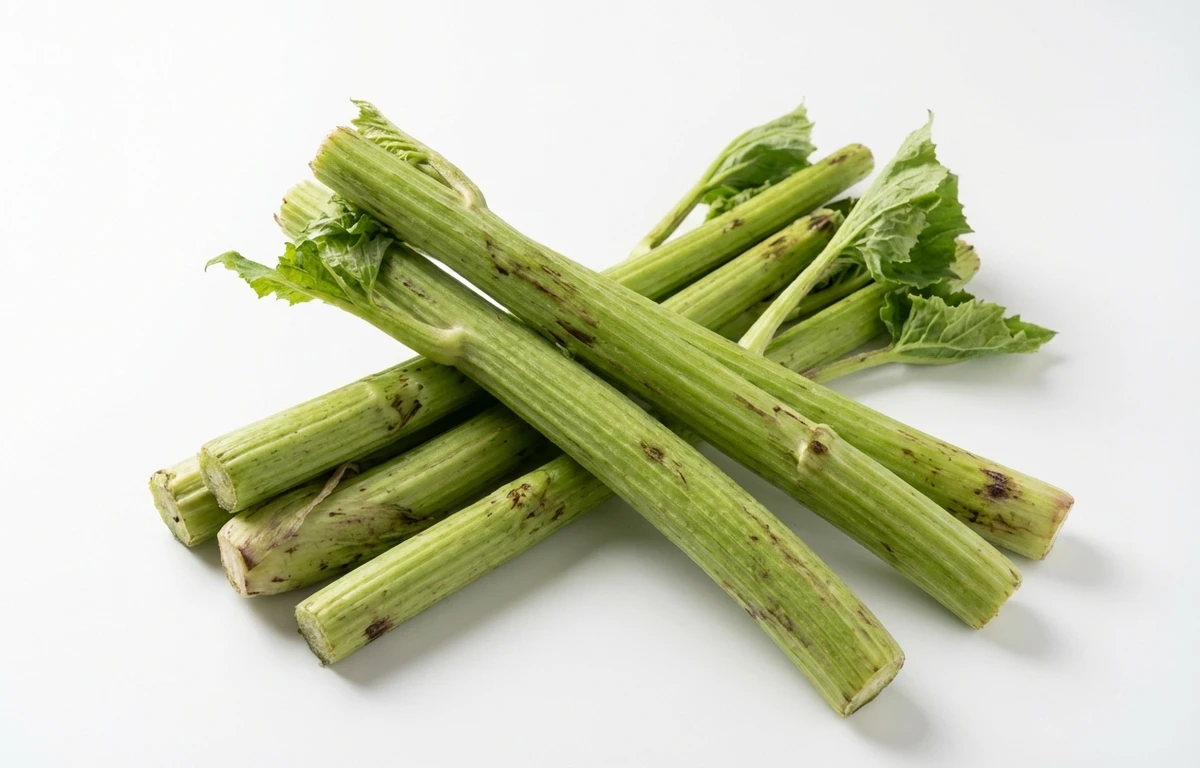
raw butterbur.
VegetarianVeganGluten-freeDairy-freeNut-freePeanut-freeSoy-freeEgg-freeShellfish-freeHoney-freeAlcohol-freeHalalKosher
ALSO KNOWN AS
fuki
SERVING
CALORIES
14
PROTEIN
0.40g
CARBS
3.3g
FAT
0.10g
FIBER
1.3g
This ingredient is flagged as naturally gluten-free. Per 100 g, it provides 15 µg of vitamin K.
NUTRITION PROFILE · per 100 g
Everything in this ingredient.
MACRONUTRIENTS
Calories14kcal—
Protein0.40g1%
Carbohydrates3.3g1%
Fiber1.3g5%
Sugar0.20g0%
Total fat0.10g0%
Saturated fat0.02g0%
Trans fat0g—
Cholesterol0mg0%
Water95.5g—
MINERALS
Sodium7.0mg0%
Potassium330mg7%
Calcium46mg4%
Iron0.30mg2%
Magnesium14mg3%
Phosphorus25mg2%
Zinc0.13mg1%
Copper0.03mg3%
Manganese0.10mg4%
Selenium0.50µg1%
VITAMINS
Vitamin A5.0µg1%
Vitamin C5.0mg6%
Vitamin D0µg0%
Vitamin E0.50mg3%
Vitamin K15µg13%
Thiamin (B1)0.02mg2%
Riboflavin (B2)0.03mg2%
Niacin (B3)0.30mg2%
Pantothenic acid (B5)0.10mg2%
Vitamin B60.05mg3%
Folate (B9)12µg3%
Vitamin B120µg0%
%DV based on a 2,000 cal diet. Source: USDA FoodData Central. A dash in the %DV column means there’s no established Daily Value for that nutrient.
MEASUREMENT CONVERSIONS
How much is what.
1 cup94g
1 tablespoon5.9g
1 teaspoon2g
1 ml0.4g
1 liter391.7g
HEALTH BENEFITS
Why eat it.
- ✓Contains compounds like petasin, which have been studied for their potential to reduce the frequency of migraine headaches (in processed, PA-free forms).
- ✓A good source of dietary fiber, which aids in digestion and promotes gut health.
COOKING TIPS
In the kitchen.
- 1CRITICAL SAFETY WARNING: Raw butterbur contains toxic pyrrolizidine alkaloids (PAs) that can cause severe liver damage. It must NEVER be eaten raw.
- 2To make it safe for consumption, a traditional Japanese preparation method called 'aku-nuki' is required. This involves parboiling the stalks and soaking them in water for an extended period, often with multiple water changes, to remove the toxins and bitterness.
- 3After proper preparation, butterbur is often simmered in dashi broth with soy sauce and mirin (Fuki no Nimono), or stir-fried (Kinpira style).
- 4The tough outer fibers of the stalks should be peeled off before cooking for a more tender texture.
STORAGE
Keep it fresh.
- Wrap fresh butterbur stalks in damp paper towels, place them in a plastic bag, and store in the refrigerator's crisper drawer for up to 5-7 days.
- For longer-term storage, blanch the prepared (detoxified) stalks, cool them in an ice bath, and freeze them in an airtight container for up to 6 months.
FAQ
Frequently asked questions.
Can raw butterbur help with migraines or allergies?
While processed, pyrrolizidine alkaloid (PA)-free butterbur extracts have been studied for their potential to reduce migraines and allergy symptoms, raw butterbur should not be consumed for these purposes. Raw butterbur contains toxic PAs that can cause severe liver damage and other health issues.
Is raw butterbur vegan or gluten-free?
As a plant, raw butterbur is inherently vegan and gluten-free. However, due to the presence of toxic pyrrolizidine alkaloids (PAs), it is not safe for human consumption in its raw form, regardless of dietary preferences.
Is raw butterbur keto-friendly or low-carb?
With only 3.3g of carbohydrates per 100g, raw butterbur is very low-carb and would technically fit into a keto diet from a macronutrient perspective. However, it is crucial to remember that raw butterbur is toxic and should not be eaten under any circumstances.
How do you cook or prepare raw butterbur?
Raw butterbur is generally not recommended for direct culinary use due to the presence of toxic pyrrolizidine alkaloids (PAs). In some traditional cuisines, specific processing methods (like extensive boiling and rinsing) are used to reduce toxicity, but these methods may not fully eliminate PAs and are not universally safe.
What does raw butterbur taste like?
Raw butterbur has a somewhat bitter and earthy taste. However, its flavor is largely irrelevant for culinary purposes as it should not be consumed due to its inherent toxicity.
How do you store raw butterbur?
If you acquire raw butterbur for ornamental or non-ingestible purposes, store it like other leafy greens in the refrigerator, wrapped in a damp paper towel or in a plastic bag, to maintain freshness for a few days. Ensure it is kept away from food items intended for consumption.
How do you know if raw butterbur is fresh?
Fresh raw butterbur leaves should be vibrant green, firm, and free from wilting, yellowing, or significant blemishes. The stems should be crisp. However, regardless of freshness, raw butterbur should not be consumed due to its inherent toxicity.



















