
Vegetable
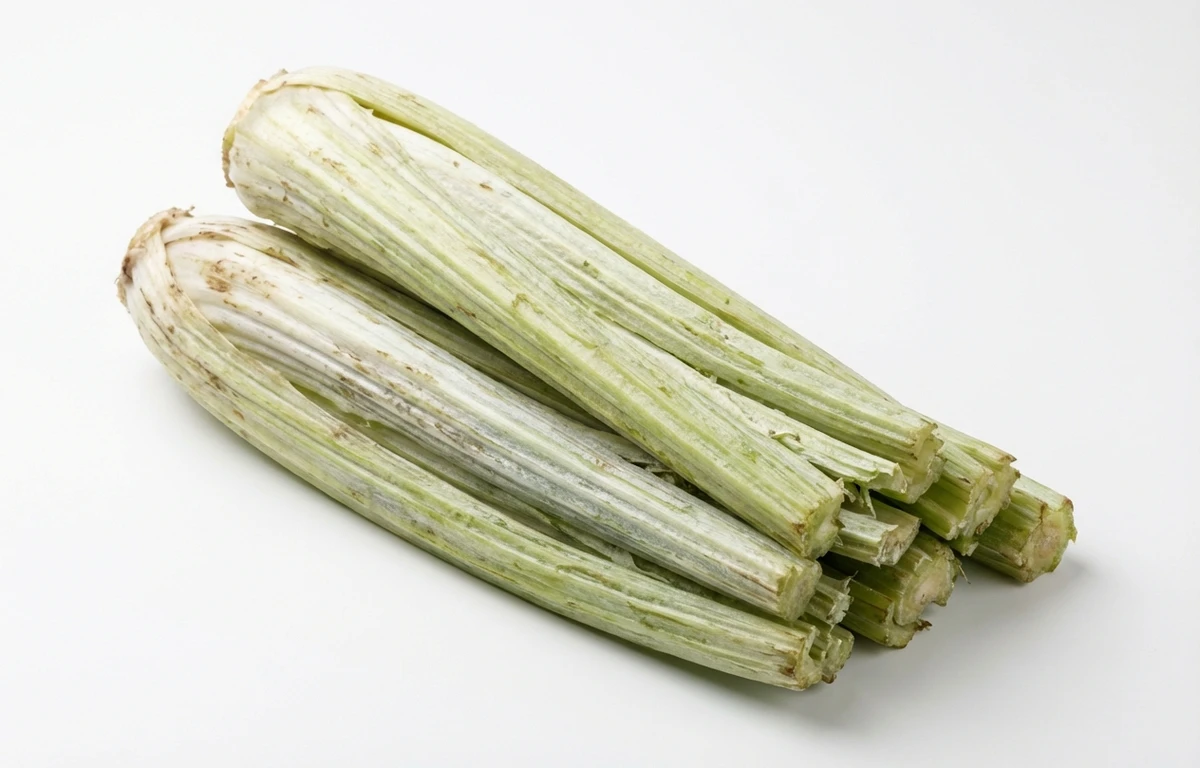
raw cardoon.
VegetarianVeganGluten-freeDairy-freeNut-freePeanut-freeSoy-freeEgg-freeShellfish-freeHoney-freeAlcohol-freeHalalKosher
ALSO KNOWN AS
artichoke thistle
SERVING
CALORIES
17
PROTEIN
0.70g
CARBS
4.0g
FAT
0.10g
FIBER
1.6g
This ingredient is flagged as naturally gluten-free. Per 100 g, it provides 0 µg of vitamin K.
NUTRITION PROFILE · per 100 g
Everything in this ingredient.
MACRONUTRIENTS
Calories17kcal—
Protein0.70g1%
Carbohydrates4.0g1%
Fiber1.6g6%
Sugar0.50g1%
Total fat0.10g0%
Saturated fat0.02g0%
Trans fat0g—
Cholesterol0mg0%
Water94g—
MINERALS
Sodium170mg7%
Potassium400mg9%
Calcium70mg5%
Iron0.70mg4%
Magnesium42mg10%
Phosphorus23mg2%
Zinc0.17mg2%
Copper0.23mg26%
Manganese0.25mg11%
Selenium0.20µg0%
VITAMINS
Vitamin A0µg0%
Vitamin C2.0mg2%
Vitamin D0µg0%
Vitamin E0.19mg1%
Vitamin K0µg0%
Thiamin (B1)0.02mg2%
Riboflavin (B2)0.03mg2%
Niacin (B3)0.30mg2%
Pantothenic acid (B5)0.34mg7%
Vitamin B60.05mg3%
Folate (B9)68µg17%
Vitamin B120µg0%
%DV based on a 2,000 cal diet. Source: USDA FoodData Central. A dash in the %DV column means there’s no established Daily Value for that nutrient.
MEASUREMENT CONVERSIONS
How much is what.
1 cup178g
1 tablespoon11.1g
1 teaspoon3.7g
1 ml0.7g
1 liter741.7g
HEALTH BENEFITS
Why eat it.
- ✓Rich in dietary fiber, which aids digestion and promotes gut health.
COOKING TIPS
In the kitchen.
- 1Cardoons must be prepared before cooking. Remove the tough outer strings with a vegetable peeler and trim any leafy parts.
- 2Due to their natural bitterness, it is essential to blanch or boil the prepared stalks in salted water for 20-40 minutes until tender before using them in other dishes.
- 3Cooked cardoon has a flavor reminiscent of artichoke and celery. It is excellent when battered and fried, baked in a gratin with cheese, or braised with olive oil and garlic.
- 4Pair cardoons with bold flavors like anchovies, capers, parmesan cheese, and tomatoes to complement their unique taste.
STORAGE
Keep it fresh.
- Wrap unwashed cardoon stalks in a damp paper towel and place them in a plastic bag in the refrigerator's crisper drawer. They can last for up to two weeks.
- To prevent browning after cutting, immediately submerge the pieces in acidulated water (water with lemon juice or vinegar).
FAQ
Frequently asked questions.
What are the key nutritional facts for cardoon?
Per 100g, raw cardoon is very low in calories, providing only about 17 calories. It contains approximately 0.7g of protein, 4g of carbohydrates, and a negligible 0.1g of fat. It's also a good source of minerals like potassium, magnesium, and calcium.
Is cardoon vegan and gluten-free?
Yes, cardoon is naturally both vegan and gluten-free. As a vegetable, it contains no animal products or gluten-containing grains, making it suitable for these dietary lifestyles.
Is cardoon keto-friendly?
Cardoon can be considered keto-friendly in moderation. With only 4g of carbohydrates per 100g, it's a low-carb vegetable that can fit into a ketogenic diet, especially when accounting for net carbs (fiber content).
What does cardoon taste like?
Cardoon has a unique flavor often described as a cross between an artichoke and celery, with a slightly bitter undertone. When properly prepared and cooked, it develops a tender texture and a mild, earthy, and nutty taste.
Can you eat cardoon raw?
While technically edible raw, cardoon is typically cooked due to its fibrous texture and potential bitterness. If eaten raw, it's usually thinly sliced or shaved and marinated to tenderize it and mellow its flavor.
How do you store fresh cardoon?
Store fresh cardoon stalks unwashed in a plastic bag in the refrigerator's crisper drawer. It can last for about 1-2 weeks. For longer storage, blanched and cooled cardoon can be frozen for several months.
How do you select fresh cardoon at the market?
Look for cardoon stalks that are firm, crisp, and pale green to silvery-green in color. Avoid stalks that are limp, discolored, or have brown spots. The leaves, if present, should also look fresh and vibrant.



















