
Loading...
Per 100g
Nutrition data source: USDA FoodData Central
Common measurement equivalents in grams
Yes, chicken hearts are highly nutritious. They are an excellent source of lean protein and packed with essential vitamins and minerals like Vitamin B12, iron, and zinc. They also contain Coenzyme Q10 (CoQ10), which supports heart health and energy production.
Per 100g, chicken hearts provide approximately 153 calories, 15.55g of protein, 9.33g of fat, and a negligible 0.07g of carbohydrates. They are exceptionally rich in Vitamin B12, iron, and zinc, and also provide CoQ10.
Yes, chicken hearts can be beneficial for weight loss due to their high protein content (15.55g per 100g) and relatively low calorie count (153 calories per 100g). Protein helps increase satiety and preserve muscle mass, which are important factors in weight management.
Absolutely, chicken hearts are very keto-friendly. With only 0.07g of carbohydrates per 100g and a good balance of protein and fat, they fit perfectly into a ketogenic diet. They provide essential nutrients without adding significant carbs.
Yes, raw chicken hearts are naturally gluten-free. As a single-ingredient meat product, they do not contain any gluten. However, always check labels if purchasing pre-marinated or processed chicken heart products to ensure no gluten-containing additives are present.
Chicken hearts are versatile and can be grilled, pan-fried, braised, or skewered. They cook relatively quickly; aim for medium-high heat until they are firm and cooked through, typically 5-10 minutes depending on the method. Marinating them beforehand can enhance flavor and tenderness.
Chicken hearts have a rich, slightly gamey flavor, similar to dark meat chicken or a mild liver, but with a firmer, chewier texture. They are often described as having a robust, savory taste that pairs well with strong seasonings.
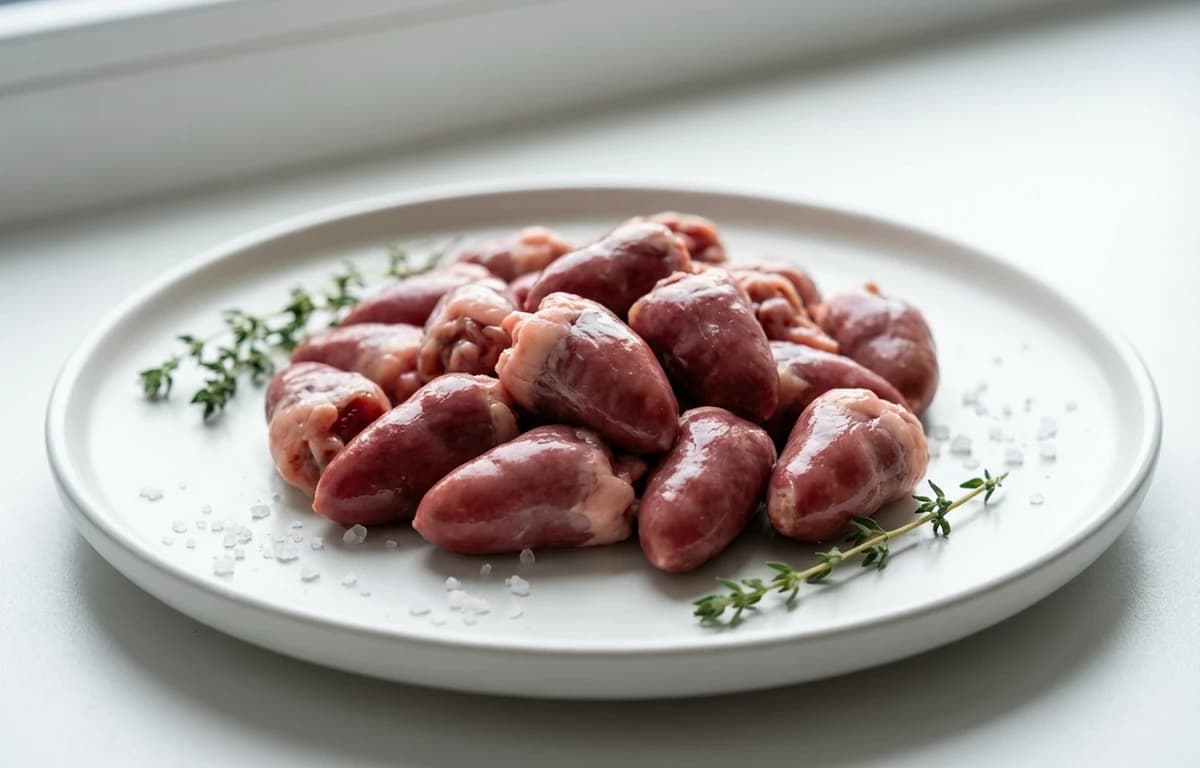
raw chicken heart is a versatile ingredient found in cuisines around the world. With 153 calories per 100g and 15.55 grams of protein, it's a nutritious addition to many dishes.
Explore more ingredients in the poultry category with complete nutrition information.
View all poultry →Discover 0 recipes featuring raw chicken heart with step-by-step instructions.
Browse recipes →Store raw chicken hearts in their original packaging or in a sealed container on the bottom shelf of your refrigerator to prevent cross-contamination. Ensure the temperature is kept at or below 40°F (4°C). For longer storage, they can be frozen.
No, it is not recommended to eat chicken hearts raw. Like all poultry, raw chicken hearts can harbor harmful bacteria such as Salmonella or Campylobacter. Always cook chicken hearts thoroughly to an internal temperature of 165°F (74°C) to ensure food safety.
Raw chicken hearts typically last 1-2 days in the refrigerator when stored properly at 40°F (4°C) or below. For longer storage, they can be frozen for up to 3-4 months without significant loss of quality.