
Vegetable
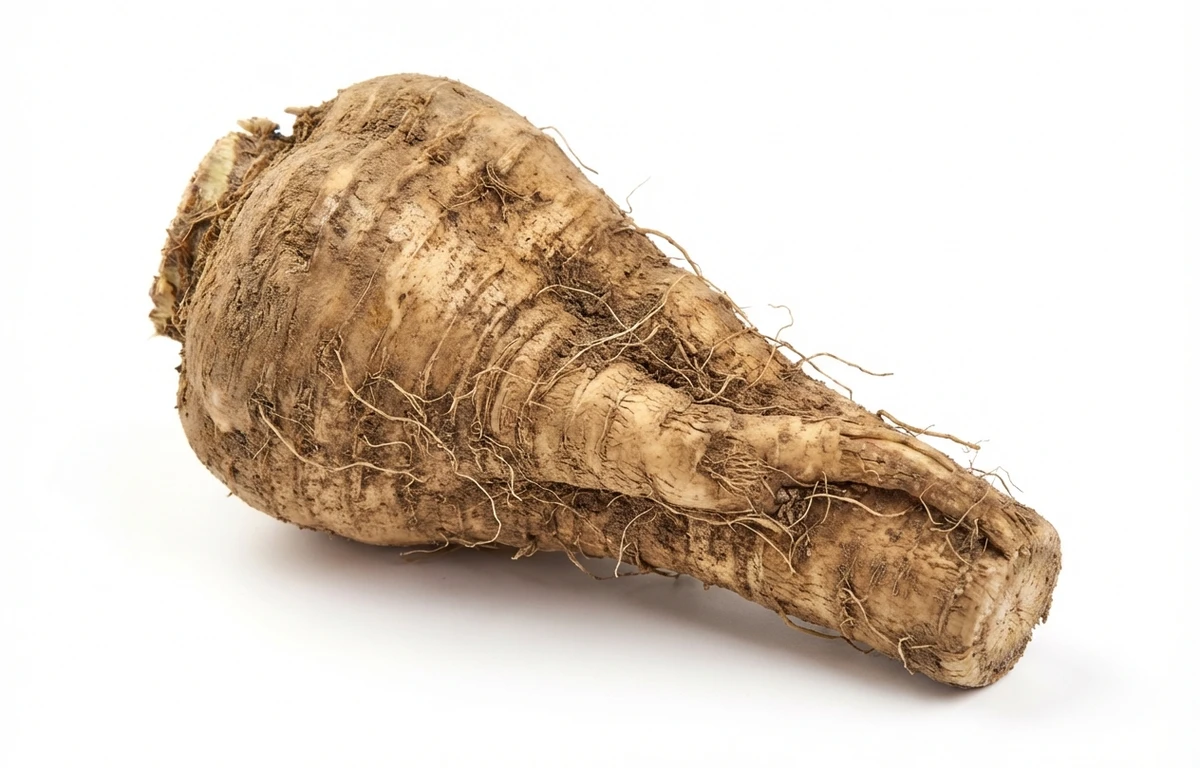
raw chicory root.
VegetarianVeganGluten-freeDairy-freeNut-freePeanut-freeSoy-freeEgg-freeShellfish-freeHoney-freeAlcohol-freeHalalKosher
ALSO KNOWN AS
raw kasni rootraw succory root
SERVING
CALORIES
72
PROTEIN
1.4g
CARBS
17.5g
FAT
0.20g
FIBER
1.5g
This ingredient is flagged as naturally gluten-free. Per 100 g, it provides 0.10 µg of vitamin K.
NUTRITION PROFILE · per 100 g
Everything in this ingredient.
MACRONUTRIENTS
Calories72kcal—
Protein1.4g3%
Carbohydrates17.5g6%
Fiber1.5g5%
Sugar8.7g17%
Total fat0.20g0%
Saturated fat0.05g0%
Trans fat0g—
Cholesterol0mg0%
Water80g—
MINERALS
Sodium50mg2%
Potassium290mg6%
Calcium41mg3%
Iron0.80mg4%
Magnesium22mg5%
Phosphorus61mg5%
Zinc0.33mg3%
Copper0.08mg9%
Manganese0.23mg10%
Selenium0.70µg1%
VITAMINS
Vitamin A0µg0%
Vitamin C2.0mg2%
Vitamin D0µg0%
Vitamin E0.19mg1%
Vitamin K0.10µg0%
Thiamin (B1)0.04mg3%
Riboflavin (B2)0.03mg2%
Niacin (B3)0.40mg3%
Pantothenic acid (B5)0.32mg6%
Vitamin B60.24mg14%
Folate (B9)23µg6%
Vitamin B120µg0%
%DV based on a 2,000 cal diet. Source: USDA FoodData Central. A dash in the %DV column means there’s no established Daily Value for that nutrient.
MEASUREMENT CONVERSIONS
How much is what.
1 cup120g
1 tablespoon8g
1 oz28.4g
1 lb453.6g
1 piece175g
HEALTH BENEFITS
Why eat it.
- ✓Rich source of inulin, a prebiotic fiber that supports gut health
- ✓Contains manganese and vitamin B6 which support brain health
- ✓Natural caffeine-free alternative when roasted and ground
COOKING TIPS
In the kitchen.
- 1Scrub thoroughly with a vegetable brush to remove all soil before use
- 2To use as a coffee substitute, dice the root, roast until dark brown, and grind
- 3Boil or steam like parsnips or carrots to reduce the natural bitterness
STORAGE
Keep it fresh.
- Store unwashed in a breathable bag in the refrigerator crisper drawer
- Keep in a cool, dark, and dry place if not using a refrigerator
- Can last up to 2-3 weeks when stored properly in cold conditions
FAQ
Frequently asked questions.
What does raw chicory root taste like?
Raw chicory root has a woody texture and a distinctly bitter, earthy flavor. The bitterness is reduced significantly when roasted or boiled.
How do I select the best chicory root?
Look for roots that are firm, heavy for their size, and free of soft spots, mold, or shriveled skin.
Can you eat chicory root raw?
Yes, it can be eaten raw. It is often thinly sliced or grated into salads, though its bitterness and tough texture make it more popular when cooked or roasted.
What is the best substitute for chicory root in cooking?
Parsnips or dandelion roots are the best substitutes for culinary use. For coffee substitution, roasted dandelion root or barley are common alternatives.
Is chicory root gluten-free?
Yes, raw chicory root is naturally gluten-free and is often used in gluten-free baking to improve texture due to its inulin content.
How do I prepare chicory root for coffee?
Wash, peel, and dice the root into small cubes. Roast in the oven at 300°F (150°C) until they are dark brown and fragrant, then grind them like coffee beans.
Does chicory root contain caffeine?
No, chicory root is naturally caffeine-free, making it a popular coffee alternative for those sensitive to stimulants.
Can chicory root be frozen?
Yes, you can blanch sliced or diced chicory root for 2 minutes, cool in ice water, and then freeze it for up to 6-8 months.



















