
Seafood
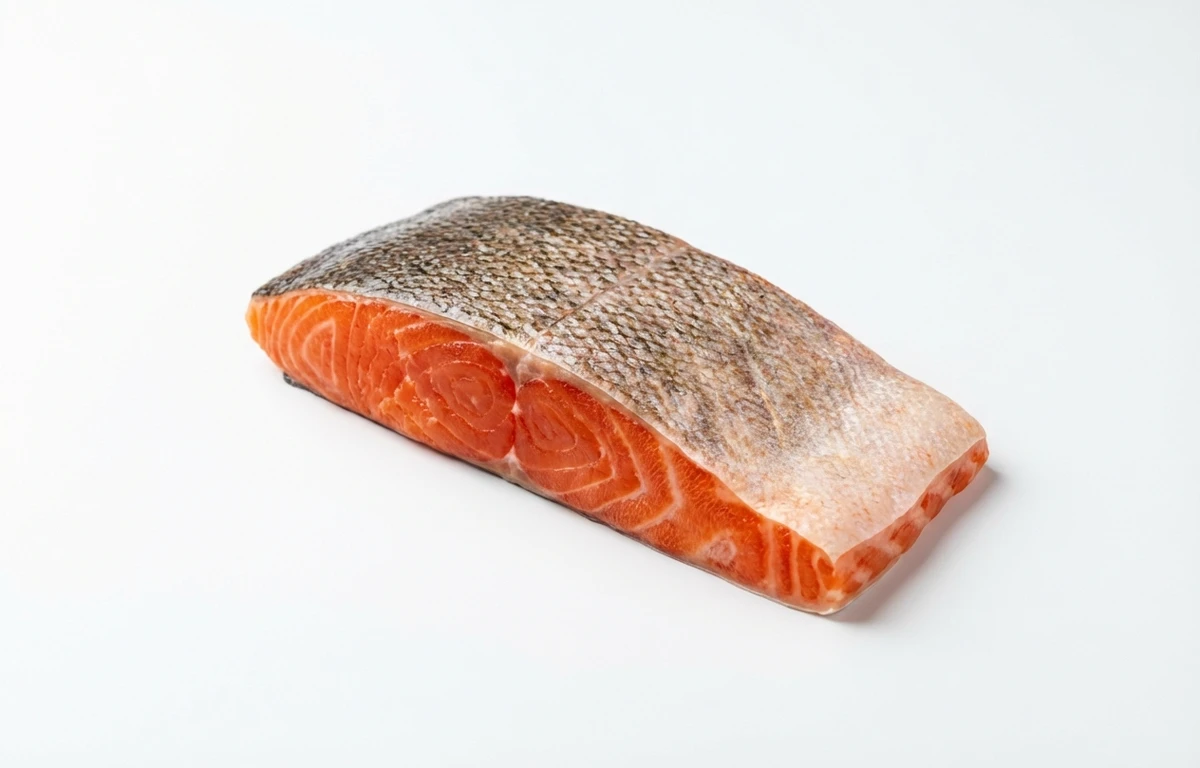
raw chinook salmon.
VegetarianVeganGluten-freeDairy-freeNut-freePeanut-freeSoy-freeEgg-freeShellfish-freeHoney-freeAlcohol-free
ALSO KNOWN AS
chinook salmonking salmonspring salmontyee salmonquinnat salmonblackmouthhookbill
SERVING
CALORIES
179
PROTEIN
20.1g
CARBS
0g
FAT
10.4g
FIBER
0g
NUTRITION PROFILE · per 100 g
Everything in this ingredient.
MACRONUTRIENTS
Calories179kcal—
Protein20.1g40%
Carbohydrates0g0%
Fiber0g0%
Sugar0g0%
Total fat10.4g13%
Saturated fat2.5g13%
Trans fat0g—
Cholesterol66mg22%
Water68.5g—
MINERALS
Sodium47mg2%
Potassium394mg8%
Calcium22mg2%
Iron0.70mg4%
Magnesium28mg7%
Phosphorus252mg20%
Zinc0.50mg5%
Copper0.05mg6%
Manganese0.01mg0%
Selenium36.5µg66%
VITAMINS
Vitamin A44µg5%
Vitamin C0mg0%
Vitamin D16.1µg81%
Vitamin E1.1mg7%
Vitamin K0.10µg0%
Thiamin (B1)0.06mg5%
Riboflavin (B2)0.12mg9%
Niacin (B3)8.4mg53%
Pantothenic acid (B5)0.75mg15%
Vitamin B60.40mg24%
Folate (B9)2.0µg1%
Vitamin B122.8µg117%
%DV based on a 2,000 cal diet. Source: USDA FoodData Central. A dash in the %DV column means there’s no established Daily Value for that nutrient.
MEASUREMENT CONVERSIONS
How much is what.
1 oz28.4g
1 lb453.6g
1 piece170g
HEALTH BENEFITS
Why eat it.
- ✓Rich in Omega-3 fatty acids for heart and brain health
- ✓High-quality protein source for muscle repair
- ✓Excellent source of Vitamin B12 for nerve function
- ✓High in Vitamin D for bone health and immunity
- ✓Contains Selenium which acts as a powerful antioxidant
COOKING TIPS
In the kitchen.
- 1Cook to an internal temperature of 145°F (63°C) for safety
- 2Sear skin-side down first to achieve a crispy texture
- 3Avoid overcooking; the center should remain slightly translucent
STORAGE
Keep it fresh.
- Store in the coldest part of the refrigerator at 32-38°F (0-3°C)
- Keep in original packaging or wrap tightly in plastic wrap/foil
- Use within 1-2 days of purchase or freeze immediately
FAQ
Frequently asked questions.
How long does raw Chinook salmon last in the fridge?
Raw Chinook salmon should be consumed within 1 to 2 days of purchase if kept refrigerated.
Can I freeze Chinook salmon?
Yes, wrap it tightly in moisture-proof wrap or freezer bags. It will maintain best quality for 2-3 months.
How can I tell if the salmon is fresh?
Fresh salmon should have firm flesh that springs back, a mild sea scent (not fishy), and bright, clear eyes if the head is attached.
What is the best substitute for Chinook salmon?
Sockeye salmon or Steelhead trout are the best substitutes due to their similar fat content and texture.
Is Chinook salmon the same as King salmon?
Yes, Chinook is the official name, but it is most commonly marketed as King salmon due to its large size.
Can Chinook salmon be eaten raw?
It can be eaten raw only if it is labeled 'sushi-grade' or has been commercially frozen to kill potential parasites.
Why is Chinook salmon more expensive than other salmon?
It is the rarest of the Pacific salmon species and is highly prized for its high fat content and buttery texture.
Does Chinook salmon contain mercury?
Like most fish, it contains trace amounts, but it is generally considered low-mercury and safe for 2-3 servings per week.
Should I remove the skin before cooking?
It is usually better to leave the skin on during cooking to protect the flesh and add flavor; it can be easily removed after cooking.
What are the best seasonings for Chinook salmon?
Simple seasonings like lemon, dill, garlic, or a light soy-ginger glaze work best to complement its rich flavor.



















