
Meat
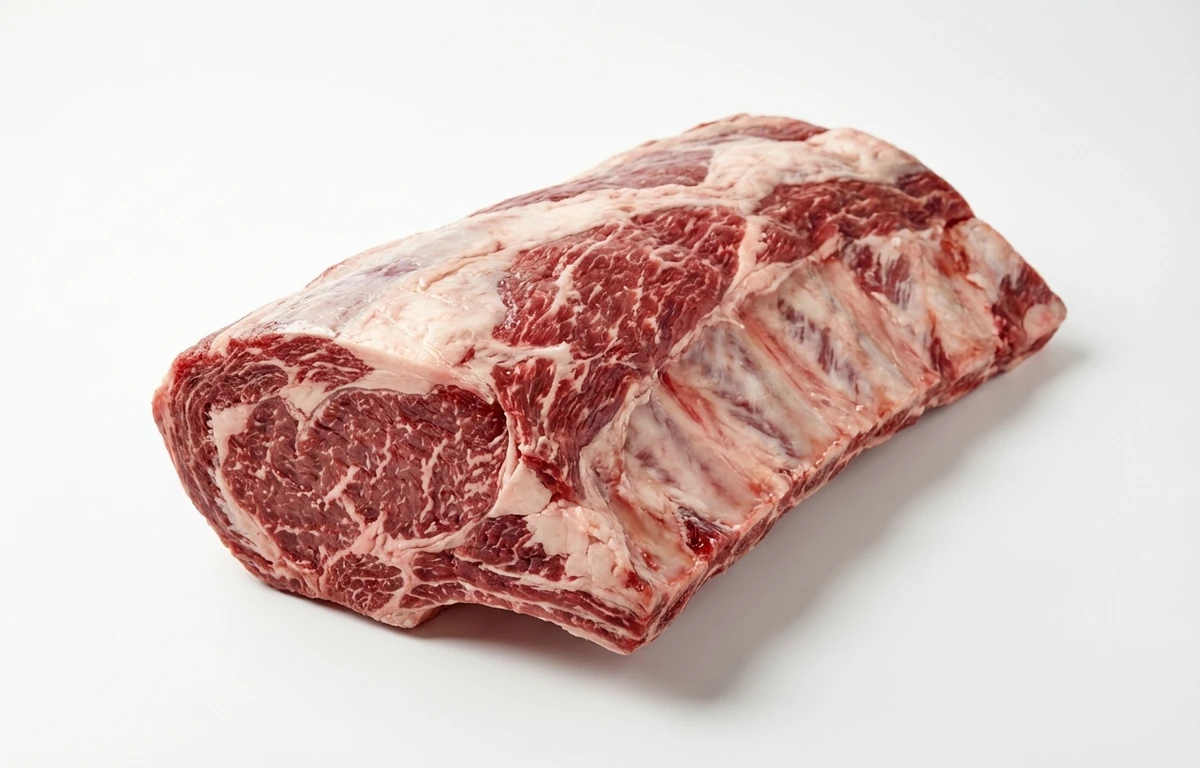
raw choice beef back ribs.
VegetarianVeganGluten-freeDairy-freeNut-freePeanut-freeSoy-freeEgg-freeShellfish-freeHoney-freeAlcohol-free
ALSO KNOWN AS
beef ribs
SERVING
CALORIES
336
PROTEIN
15.8g
CARBS
0.90g
FAT
29.9g
FIBER
0g
NUTRITION PROFILE · per 100 g
Everything in this ingredient.
MACRONUTRIENTS
Calories336kcal—
Protein15.8g32%
Carbohydrates0.90g0%
Fiber0g0%
Sugar0g0%
Total fat29.9g38%
Saturated fat13.3g67%
Trans fat1.9g—
Cholesterol76mg25%
Water52.7g—
MINERALS
Sodium53mg2%
Potassium214mg5%
Calcium9.0mg1%
Iron1.6mg9%
Magnesium17mg4%
Phosphorus122mg10%
Zinc3.8mg34%
Copper0.06mg7%
Selenium17.3µg31%
VITAMINS
Vitamin A6.0µg1%
Vitamin C0mg0%
Vitamin K1.5µg1%
Thiamin (B1)0.07mg6%
Riboflavin (B2)0.21mg16%
Niacin (B3)3.6mg23%
Vitamin B60.35mg21%
Folate (B9)3.0µg1%
Vitamin B121.5µg64%
%DV based on a 2,000 cal diet. Source: USDA FoodData Central. A dash in the %DV column means there’s no established Daily Value for that nutrient.
MEASUREMENT CONVERSIONS
How much is what.
1 cup140g
1 tablespoon8.8g
1 teaspoon2.9g
1 ml0.6g
1 liter583.3g
1 piece180g
HEALTH BENEFITS
Why eat it.
- ✓Excellent source of high-quality complete protein, essential for muscle repair, growth, and overall body function.
- ✓Rich in heme iron, a highly bioavailable form of iron that helps prevent anemia and supports oxygen transport in the blood.
- ✓Provides significant amounts of Vitamin B12, crucial for nerve function, DNA synthesis, and red blood cell formation.
- ✓Good source of zinc and selenium, minerals that support a healthy immune system, wound healing, and thyroid function.
COOKING TIPS
In the kitchen.
- 1For maximum tenderness, cook beef back ribs low and slow using methods like braising, smoking, or slow-roasting to break down tough connective tissues.
- 2Always remove the thin, papery membrane (silverskin) from the bone-side of the rack before cooking. This allows seasonings to penetrate and results in a more tender bite.
- 3Apply a dry rub generously and allow the ribs to rest for at least an hour (or overnight in the refrigerator) before cooking to enhance flavor.
- 4After slow cooking, finish the ribs on a hot grill or under a broiler for a few minutes to create a delicious, caramelized crust, especially if using a sauce or glaze.
STORAGE
Keep it fresh.
- Refrigerate raw beef ribs immediately in their original packaging at 40°F (4°C) or below and use within 3 to 5 days.
- For longer storage, wrap the ribs tightly in plastic wrap and heavy-duty aluminum foil or a freezer bag, and freeze at 0°F (-18°C) for up to 6-12 months.
FAQ
Frequently asked questions.
Is raw choice beef back ribs healthy?
Beef back ribs are a good source of high-quality protein, essential vitamins (like B12), and minerals (iron, zinc, selenium) that support muscle health, energy, and immune function. However, they are high in calories and fat, particularly saturated fat, so moderation is key for a balanced diet.
How much protein, calories, and fat are in beef back ribs?
Per 100g of raw choice beef back ribs, there are approximately 336 calories, 15.75g of protein, and 29.89g of fat. They contain a very low amount of carbohydrates, around 0.9g per 100g.
Are beef back ribs good for weight loss?
Due to their high calorie and fat content, beef back ribs are generally not considered ideal for weight loss when consumed in large portions. While they provide satiating protein, mindful portion control is crucial to fit them into a calorie-restricted diet.
Are beef back ribs keto-friendly or low-carb?
Yes, beef back ribs are very keto-friendly and low-carb. With only about 0.9g of carbohydrates per 100g, they fit well into ketogenic and other low-carb dietary plans, providing essential fats and protein.
Are beef back ribs gluten-free?
Yes, raw beef back ribs are naturally gluten-free. However, always check marinades, rubs, or sauces used during preparation, as these can sometimes contain gluten-containing ingredients.
Can diabetics eat beef back ribs?
Yes, beef back ribs can be part of a diabetic diet due to their very low carbohydrate content, which has minimal impact on blood sugar levels. However, diabetics should be mindful of the high fat and calorie content, opting for leaner preparations and moderate portions to manage overall health.
How do you cook beef back ribs?
Beef back ribs are best cooked slowly to tenderize the meat. Popular methods include smoking, braising, or baking at a low temperature (e.g., 275°F/135°C) for several hours until fork-tender, often finished on a grill for a crispy exterior.
What do beef back ribs taste like?
Beef back ribs have a rich, beefy flavor with a good amount of marbling that contributes to their succulence and tenderness when cooked properly. The meat is typically less fatty than pork ribs but still very flavorful, especially when slow-cooked.
How do you store raw beef back ribs?
Store raw beef back ribs in their original packaging or tightly wrapped in plastic wrap or foil in the coldest part of your refrigerator for 3-5 days. For longer storage, freeze them at 0°F (-18°C) or below, where they can last for 6-12 months.
How do you know if raw beef back ribs are fresh?
Fresh raw beef back ribs should have a bright red color, a firm texture, and a mild, fresh scent. Avoid ribs that appear discolored (brownish or greenish), have a slimy texture, or emit any sour or off odors, as these are signs of spoilage.



















