
Vegetable
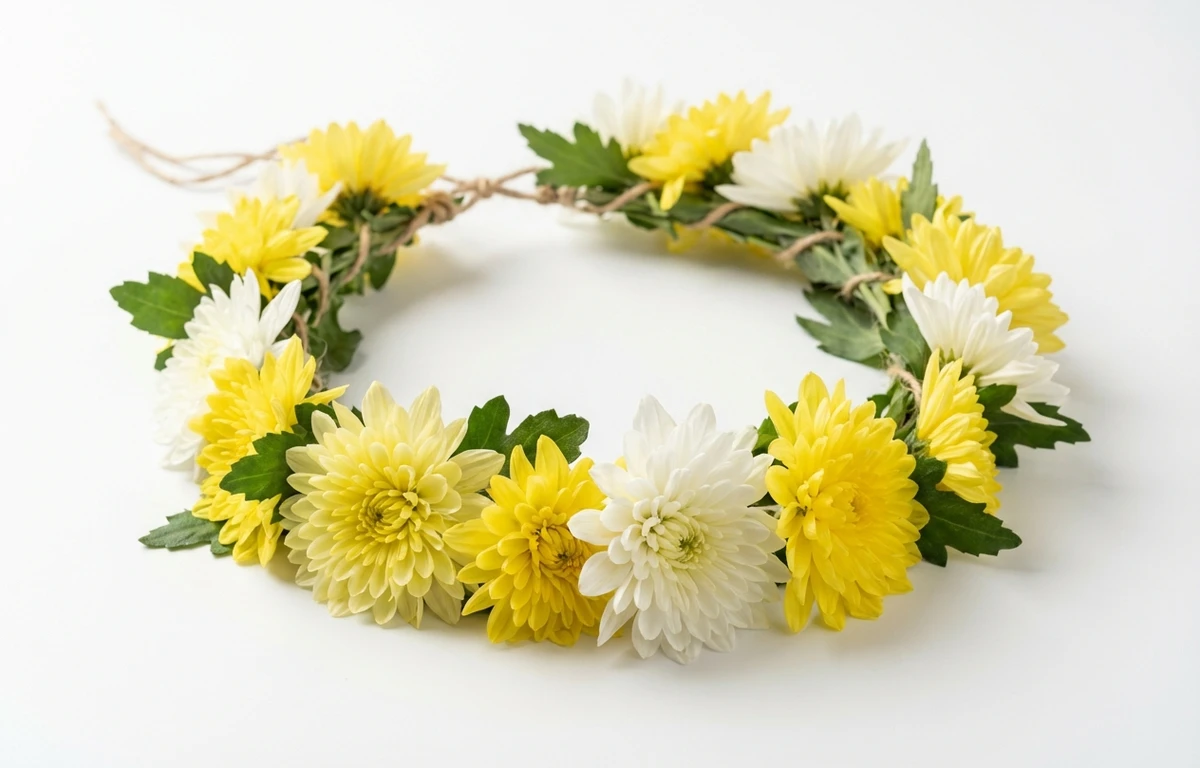
raw chrysanthemum garland.
VegetarianVeganGluten-freeDairy-freeNut-freePeanut-freeSoy-freeEgg-freeShellfish-freeHoney-freeAlcohol-freeHalalKosher
ALSO KNOWN AS
chrysanthemum garland
SERVING
CALORIES
31
PROTEIN
3.3g
CARBS
4.3g
FAT
0.10g
FIBER
3.0g
This ingredient is flagged as naturally gluten-free. Per 100 g, it provides 310 µg of vitamin K.
NUTRITION PROFILE · per 100 g
Everything in this ingredient.
MACRONUTRIENTS
Calories31.3kcal—
Protein3.3g7%
Carbohydrates4.3g2%
Fiber3.0g11%
Sugar0.50g1%
Total fat0.10g0%
Saturated fat0.02g0%
Trans fat0g—
Cholesterol0mg0%
Water91.5g—
MINERALS
Sodium53mg2%
Potassium567mg12%
Calcium110mg8%
Iron3.4mg19%
Magnesium21mg5%
Phosphorus55mg4%
Zinc0.70mg6%
Copper0.10mg11%
Manganese0.90mg39%
Selenium0.50µg1%
VITAMINS
Vitamin A188µg21%
Vitamin C21mg23%
Vitamin D0µg0%
Vitamin E1.2mg8%
Vitamin K310µg258%
Thiamin (B1)0.10mg8%
Riboflavin (B2)0.20mg15%
Niacin (B3)0.90mg6%
Pantothenic acid (B5)0.30mg6%
Vitamin B60.20mg12%
Folate (B9)150µg38%
Vitamin B120µg0%
%DV based on a 2,000 cal diet. Source: USDA FoodData Central. A dash in the %DV column means there’s no established Daily Value for that nutrient.
MEASUREMENT CONVERSIONS
How much is what.
1 cup25g
1 tablespoon1.6g
1 teaspoon0.5g
1 ml0.1g
1 liter104.2g
HEALTH BENEFITS
Why eat it.
- ✓Contains potassium, an important mineral for regulating blood pressure and fluid balance.
- ✓Provides dietary fiber, which supports digestive health and regular bowel movements.
COOKING TIPS
In the kitchen.
- 1Cook briefly to preserve its delicate texture and unique flavor; overcooking can increase its bitterness.
- 2Add to soups, stews, and hot pots (like shabu-shabu or sukiyaki) during the last few minutes of cooking.
- 3Quickly stir-fry with garlic, a splash of sesame oil, and soy sauce for a simple and flavorful side dish.
- 4Young, tender leaves can be used raw in salads to add a peppery, aromatic note.
STORAGE
Keep it fresh.
- Wrap unwashed leaves in a damp paper towel, place in a plastic bag, and store in the refrigerator's crisper drawer for up to 5 days.
- To prolong freshness, you can also stand the stems in a jar of water like a bouquet of flowers, cover loosely with a plastic bag, and refrigerate.
FAQ
Frequently asked questions.
Is chrysanthemum garland keto-friendly?
Yes, it is very keto-friendly. With only 4.3g of carbohydrates and 3.3g of protein per 100g, it is a low-carb vegetable that fits easily into a ketogenic or low-glycemic diet.
Can I eat chrysanthemum garland raw?
Yes, you can eat it raw, especially the young, tender leaves which are often used in salads. However, as the plant matures, the stems can become tough and the flavor more bitter, so older plants are better suited for light cooking.
What does chrysanthemum garland taste like?
It has a very distinct, bold flavor profile that is slightly bitter, peppery, and herbal. It carries a strong floral aroma that is characteristic of the chrysanthemum family, similar to a mix of celery and mustard greens.
How do you cook chrysanthemum garland?
It is most commonly used in Asian cuisine, particularly in hot pots, soups, and stir-fries. Because the leaves wilt very quickly, it should be added at the very end of the cooking process—usually for only 30 to 60 seconds—to maintain its texture.
How do you store chrysanthemum garland?
Store unwashed leaves in a perforated plastic bag or wrapped in a damp paper towel in the refrigerator's crisper drawer. It is delicate and should be consumed within 3 to 5 days for the best flavor and texture.
How do I know if chrysanthemum garland is fresh?
Look for vibrant, bright green leaves and firm, crisp stems. Avoid bunches that have yellowing leaves, slimy spots, or a wilted appearance, as these are signs that the vegetable is past its prime.



















