
Fruit10 recipes
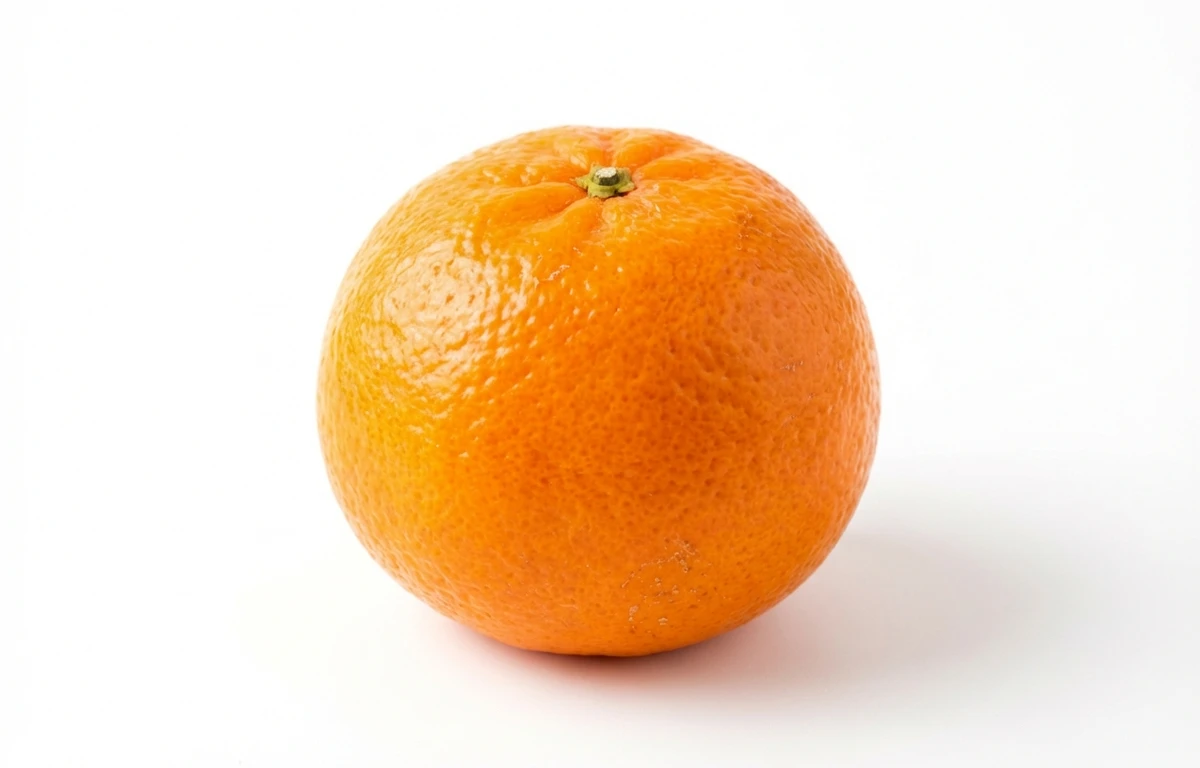
raw clementine.
VegetarianVeganGluten-freeDairy-freeNut-freePeanut-freeSoy-freeEgg-freeShellfish-freeHoney-freeAlcohol-free
SERVING
CALORIES
47
PROTEIN
0.85g
CARBS
12g
FAT
0.15g
FIBER
1.7g
NUTRITION PROFILE · per 100 g
Everything in this ingredient.
MACRONUTRIENTS
Calories47kcal—
Protein0.85g2%
Carbohydrates12g4%
Fiber1.7g6%
Sugar9.2g18%
Total fat0.15g0%
Saturated fat0.02g0%
Trans fat0g—
Water86.6g—
MINERALS
Sodium1.0mg0%
Potassium177mg4%
Calcium30mg2%
Iron0.14mg1%
Magnesium10mg2%
Phosphorus21mg2%
Zinc0.06mg1%
Copper0.04mg4%
Manganese0.02mg1%
Selenium0.10µg0%
VITAMINS
Vitamin A17µg2%
Vitamin C48.8mg54%
Vitamin D0µg0%
Vitamin E0.15mg1%
Vitamin K0µg0%
Thiamin (B1)0.08mg7%
Riboflavin (B2)0.03mg2%
Niacin (B3)0.60mg4%
Pantothenic acid (B5)0.19mg4%
Vitamin B60.08mg5%
Folate (B9)24µg6%
Vitamin B120µg0%
%DV based on a 2,000 cal diet. Source: USDA FoodData Central. A dash in the %DV column means there’s no established Daily Value for that nutrient.
MEASUREMENT CONVERSIONS
How much is what.
1 cup190g
1 tablespoon12g
1 teaspoon4g
1 ml0.8g
1 liter800g
1 piece74g
HEALTH BENEFITS
Why eat it.
- ✓Excellent source of Vitamin C, which boosts the immune system and promotes collagen production for healthy skin.
- ✓Provides dietary fiber, which aids in digestion, helps maintain bowel regularity, and can contribute to feelings of fullness.
- ✓Contains antioxidants like flavonoids (such as hesperidin) that help protect cells from damage caused by free radicals.
- ✓High water content contributes to daily hydration needs.
COOKING TIPS
In the kitchen.
- 1Use the zest to add a bright, aromatic citrus flavor to baked goods, marinades, dressings, and sauces.
- 2Segmented clementines are a great addition to green salads, fruit salads, yogurt parfaits, and oatmeal.
- 3Juice clementines for a naturally sweet base in smoothies, cocktails, or as a glaze for chicken or fish.
- 4Candied clementine peels make a delicious garnish for desserts or can be dipped in chocolate for a sweet treat.
STORAGE
Keep it fresh.
- Store at cool room temperature away from direct sunlight for up to one week.
- For longer storage (2-3 weeks), place them in the crisper drawer of your refrigerator.
- Avoid storing clementines in sealed plastic bags, as this can trap moisture and accelerate spoilage.
FAQ
Frequently asked questions.
Are clementines healthy?
Yes, clementines are highly nutritious and low in calories, providing only 47 calories per 100g. They are an excellent source of Vitamin C for immune support and contain antioxidants like flavonoids that protect cells from damage.
Are clementines good for weight loss?
Clementines are great for weight loss because they are low in fat and calories while being high in water and fiber. The fiber content helps you feel full longer, which can reduce overall calorie intake throughout the day.
Are clementines keto-friendly?
Clementines contain about 12g of carbohydrates per 100g, mostly from natural sugars. While they can be included in a keto diet in small portions, they are higher in carbs than berries and should be consumed mindfully to stay within daily limits.
Can diabetics eat clementines?
Diabetics can enjoy clementines, but they should monitor portion sizes due to the natural sugar content. The fiber in the fruit helps slow down sugar absorption, making it a better choice than fruit juice, which lacks fiber.
What do clementines taste like?
Clementines are known for their sweet, honey-like flavor and low acidity compared to other citrus fruits. They are typically seedless and have a very juicy texture, making them a favorite for snacking.
How should you store clementines?
Clementines can be kept at room temperature for about a week. To extend their shelf life up to two or three weeks, store them in the crisper drawer of your refrigerator in a mesh bag to allow for air circulation.
How can you tell if a clementine is fresh?
A fresh clementine should feel heavy for its size, indicating it is full of juice. The skin should be bright orange, slightly soft but not mushy, and free of any visible mold or deep bruises.
Can you eat the white part (pith) of a clementine?
Yes, the white stringy pith is completely edible and very healthy. It contains a significant portion of the fruit's fiber and antioxidants, though some people remove it because of its slightly bitter taste.
What is the difference between a clementine and a mandarin?
A clementine is actually a specific type of mandarin orange. They are distinguished by being smaller, having a thinner skin that is easier to peel, and being almost entirely seedless compared to other mandarin varieties.
Can you eat clementine peels?
While the peel is edible and rich in essential oils, it is quite bitter and tough. If you plan to use the zest or peel for cooking, ensure you wash the fruit thoroughly to remove any wax or pesticide residue.
RECIPES
Cook with raw clementine.
10 recipes · sorted by what’s quick



















