
Fruit
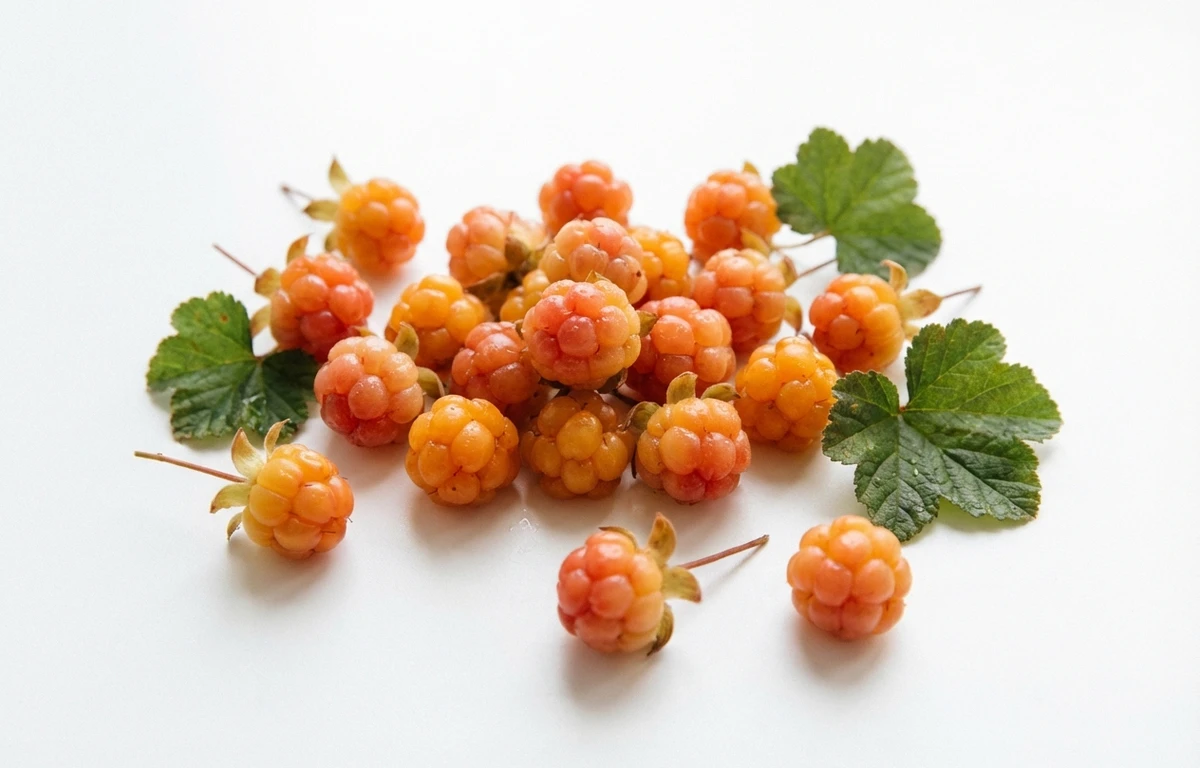
raw cloudberries.
VegetarianVeganGluten-freeDairy-freeNut-freePeanut-freeSoy-freeEgg-freeShellfish-freeHoney-freeAlcohol-freeHalalKosher
SERVING
CALORIES
51
PROTEIN
1.9g
CARBS
8.6g
FAT
0.80g
FIBER
6.3g
NUTRITION PROFILE · per 100 g
Everything in this ingredient.
MACRONUTRIENTS
Calories51kcal—
Protein1.9g4%
Carbohydrates8.6g3%
Fiber6.3g23%
Sugar3.5g7%
Total fat0.80g1%
Saturated fat0.01g0%
Trans fat0g—
Cholesterol0mg0%
Water86.5g—
MINERALS
Sodium1.0mg0%
Potassium210mg4%
Calcium15mg1%
Iron0.70mg4%
Magnesium25mg6%
Phosphorus40mg3%
Zinc0.60mg5%
Copper0.13mg14%
Manganese0.70mg30%
Selenium0.10µg0%
VITAMINS
Vitamin A12µg1%
Vitamin C158mg176%
Vitamin D0µg0%
Vitamin E3.0mg20%
Vitamin K15µg13%
Thiamin (B1)0.05mg4%
Riboflavin (B2)0.07mg5%
Niacin (B3)0.90mg6%
Pantothenic acid (B5)0.25mg5%
Vitamin B60.06mg4%
Folate (B9)30µg8%
Vitamin B120µg0%
%DV based on a 2,000 cal diet. Source: USDA FoodData Central. A dash in the %DV column means there’s no established Daily Value for that nutrient.
MEASUREMENT CONVERSIONS
How much is what.
1 cup130g
1 tablespoon8.1g
1 teaspoon2.7g
1 ml0.5g
1 liter541.7g
HEALTH BENEFITS
Why eat it.
- ✓Extremely rich in Vitamin C, providing more than double the amount found in oranges by weight, which supports immune function and skin health.
- ✓High in antioxidants, particularly ellagitannins and anthocyanins, which help protect cells from oxidative stress and may reduce inflammation.
- ✓Good source of dietary fiber, aiding in digestion, promoting gut health, and contributing to feelings of fullness.
- ✓Contains benzoic acid, a natural preservative that gives cloudberries a long shelf life when made into jams and may have antimicrobial properties.
COOKING TIPS
In the kitchen.
- 1Handle with care as they are very soft and delicate. Wash gently just before using.
- 2Their unique tart-sweet flavor is excellent for making jams, compotes, and sauces. They pair well with rich dairy like cream or cheese, and with savory game meats.
- 3Enjoy them raw to appreciate their unique flavor. Serve them fresh over yogurt, ice cream, or with waffles. A traditional Nordic way is to serve them with warm 'leipäjuusto' (bread cheese).
- 4The seeds are quite large and numerous. For a smoother texture in sauces or desserts, press the cooked berries through a fine-mesh sieve to remove the seeds.
STORAGE
Keep it fresh.
- Cloudberries are highly perishable. Store them unwashed in a single layer in a shallow, breathable container in the refrigerator and consume within 1-2 days.
- For longer storage, freeze them immediately. Spread the berries on a baking sheet to freeze individually, then transfer to an airtight freezer bag for up to 12 months.
FAQ
Frequently asked questions.
Are cloudberries healthy?
Yes, cloudberries are highly nutritious, containing more than double the Vitamin C of oranges per weight. They are rich in antioxidants like ellagitannins and anthocyanins, which help reduce inflammation and protect cells from oxidative stress.
What is the nutritional profile of 100g of raw cloudberries?
A 100g serving of raw cloudberries contains approximately 51 calories, 1.9g of protein, 8.6g of carbohydrates, and 0.8g of fat. They are also an excellent source of dietary fiber, which aids in digestion and promotes a feeling of fullness.
Do cloudberries help boost the immune system?
Yes, their exceptionally high Vitamin C content is vital for supporting immune function and skin health. Additionally, the presence of benzoic acid provides natural antimicrobial properties that may benefit overall health.
Are cloudberries keto-friendly?
With 8.6g of carbohydrates per 100g, cloudberries can be included in a keto diet in moderation. Their high fiber content helps lower the net carb count, making them a more suitable fruit option for low-carb lifestyles compared to tropical fruits.
Are cloudberries vegan and gluten-free?
Yes, raw cloudberries are naturally vegan and gluten-free. They are a pure, plant-based fruit suitable for almost all dietary restrictions and preferences.
What do raw cloudberries taste like?
Raw cloudberries have a unique, complex flavor that is tart and tangy with a subtle sweetness. They are often described as having a creamy texture and floral or honey-like undertones when they are fully ripe.
How should I prepare or eat raw cloudberries?
They can be eaten fresh on their own, sprinkled with a little sugar, or mixed into yogurt and porridge. Because they are quite tart, they are frequently used to make jams, sauces for savory meats, or traditional Nordic desserts.
How do you store fresh cloudberries?
Fresh cloudberries are delicate and should be kept in the refrigerator, where they will last for a few days. Due to their natural benzoic acid content, they resist spoilage better than many other berries, but they are still best used quickly.
Can you freeze cloudberries?
Yes, cloudberries freeze very well and retain most of their nutritional value. It is best to spread them in a single layer on a tray to freeze before transferring them to a sealed bag to prevent them from clumping together.
Why do cloudberries have a naturally long shelf life?
Cloudberries contain benzoic acid, a natural preservative. This compound inhibits the growth of mold and bacteria, which is why cloudberry jams and preserves can often be kept for long periods with minimal added preservatives.



















