
Seafood
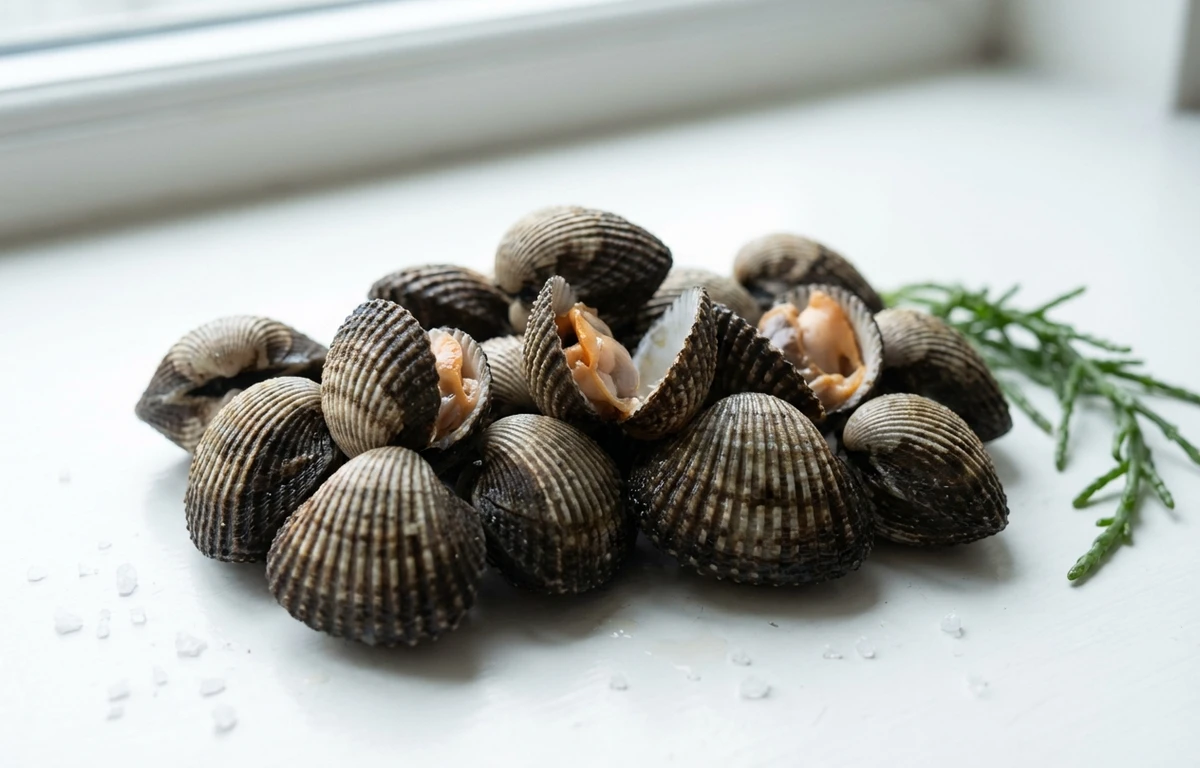
raw cockles.
VegetarianVeganGluten-freeDairy-freeNut-freePeanut-freeSoy-freeEgg-freeShellfish-freeHoney-freeAlcohol-freeKosher
SERVING
CALORIES
79
PROTEIN
13.5g
CARBS
4.7g
FAT
0.70g
FIBER
0g
NUTRITION PROFILE · per 100 g
Everything in this ingredient.
MACRONUTRIENTS
Calories79kcal—
Protein13.5g27%
Carbohydrates4.7g2%
Fiber0g0%
Sugar0g0%
Total fat0.70g1%
Saturated fat0.10g1%
Trans fat0g—
Cholesterol50mg17%
Water79.8g—
MINERALS
Sodium350mg15%
Potassium314mg7%
Calcium92mg7%
Iron16.2mg90%
Magnesium50mg12%
Phosphorus169mg14%
Zinc1.4mg13%
Copper0.30mg33%
Manganese0.50mg22%
Selenium24.3µg44%
VITAMINS
Vitamin A90µg10%
Vitamin C0mg0%
Vitamin D0µg0%
Vitamin E0.50mg3%
Vitamin K0.10µg0%
Thiamin (B1)0.02mg2%
Riboflavin (B2)0.21mg16%
Niacin (B3)1.8mg11%
Pantothenic acid (B5)0.40mg8%
Vitamin B60.10mg6%
Folate (B9)16µg4%
Vitamin B1252.4µg2183%
%DV based on a 2,000 cal diet. Source: USDA FoodData Central. A dash in the %DV column means there’s no established Daily Value for that nutrient.
MEASUREMENT CONVERSIONS
How much is what.
1 oz28.4g
1 lb453.6g
1 piece12g
HEALTH BENEFITS
Why eat it.
- ✓Excellent source of lean protein, essential for muscle growth and repair.
- ✓Extremely rich in iron, which is vital for red blood cell production and preventing anemia.
- ✓High in Vitamin B12, crucial for nerve function and DNA synthesis.
- ✓Provides selenium, an antioxidant that helps protect cells from damage and supports thyroid function.
COOKING TIPS
In the kitchen.
- 1Before cooking, purge cockles by soaking them in cold, salted water for at least an hour to expel sand and grit.
- 2Discard any cockles that are open before cooking (and don't close when tapped) or any that remain closed after cooking.
- 3Cook quickly using methods like steaming, boiling, or stir-frying until the shells open, which typically takes only 3-5 minutes.
- 4Cockles pair well with garlic, white wine, parsley, chili, and lemon juice, and are commonly used in pasta dishes, soups, and paella.
STORAGE
Keep it fresh.
- Store live cockles in the refrigerator in an open container covered with a damp cloth, not in a sealed bag or water, and use within 1-2 days.
- Do not store live cockles in fresh water, as this will kill them; if you need to purge them, use salted water.
- Cooked cockles can be stored in an airtight container in the refrigerator for up to 2 days or frozen for up to 3 months.
FAQ
Frequently asked questions.
Are cockles healthy?
Yes, cockles are highly nutritious and considered a 'superfood' of the sea. They are an excellent source of lean protein, providing 13.5g per 100g, and are exceptionally high in iron and Vitamin B12, which are essential for energy and nerve function.
Are cockles good for weight loss?
Cockles are very weight-loss friendly because they are low in calories (79 kcal per 100g) and extremely low in fat (0.7g). Their high protein content helps promote a feeling of fullness, which can reduce overall calorie intake.
How much iron is in cockles?
Cockles are one of the richest natural sources of iron available, often containing more iron per gram than beef. This makes them an ideal dietary choice for individuals looking to prevent anemia and support healthy red blood cell production.
Are cockles keto-friendly?
Yes, cockles are generally keto-friendly. While they contain a small amount of carbohydrates (4.7g per 100g), they can easily fit into a low-carb or ketogenic diet when consumed in standard serving sizes.
Are cockles gluten-free?
Raw cockles are naturally 100% gluten-free. However, if you are buying them pre-packaged in vinegar or prepared in a restaurant, ensure no gluten-containing thickeners or cross-contaminants were used during processing.
Can you eat cockles raw?
While some traditional dishes serve them raw or lightly blanched, it is generally recommended to cook cockles thoroughly. Cooking reduces the risk of foodborne illnesses and parasites that can be present in raw shellfish.
How do you clean raw cockles before cooking?
Soak cockles in cold, salted water for 30 to 60 minutes to allow them to purge sand and grit. Afterward, scrub the shells with a stiff brush and rinse them thoroughly under cold running water.
What do cockles taste like?
Cockles have a distinct briny, salty flavor with a subtle underlying sweetness. Their texture is similar to a small clam—firm and slightly chewy—but they are often considered to have a more delicate and refined taste.
How do you store fresh, raw cockles?
Store live cockles in the refrigerator in a bowl covered with a damp cloth to keep them moist. Do not store them in an airtight container or in fresh water, as they need to breathe and will die if submerged in non-saline water.
How can you tell if a cockle is bad?
Before cooking, tap any open shells; if they do not close immediately, the cockle is dead and should be discarded. After cooking, discard any cockles that have failed to open, as this is a sign they were not fresh.



















