
Loading...
Per 100g
Nutrition data source: USDA FoodData Central
Common measurement equivalents in grams
A whole head of cabbage can last up to 2 weeks in the crisper drawer when stored in a plastic bag.
Look for heads that are heavy for their size, with tight, firm leaves and no signs of wilting or brown spots.
Yes, but it is best to blanch it first for 90 seconds to preserve texture and nutrients before freezing for up to 9 months.
Napa cabbage, Savoy cabbage, or even Brussels sprouts can work depending on the recipe.
Cabbage contains sulfur compounds that are released when heat breaks down the plant's cell walls; shorter cooking times minimize this.
Yes, it is very low in calories (25 per 100g) and high in fiber, which helps you feel full longer.
Discard the tough outer leaves, cut the head into quarters, and rinse under cold running water.
Absolutely. Raw cabbage is the primary ingredient in coleslaw and adds a great crunch to salads and tacos.
Yes, it is an excellent source of Vitamin K, which is essential for blood clotting and bone health.
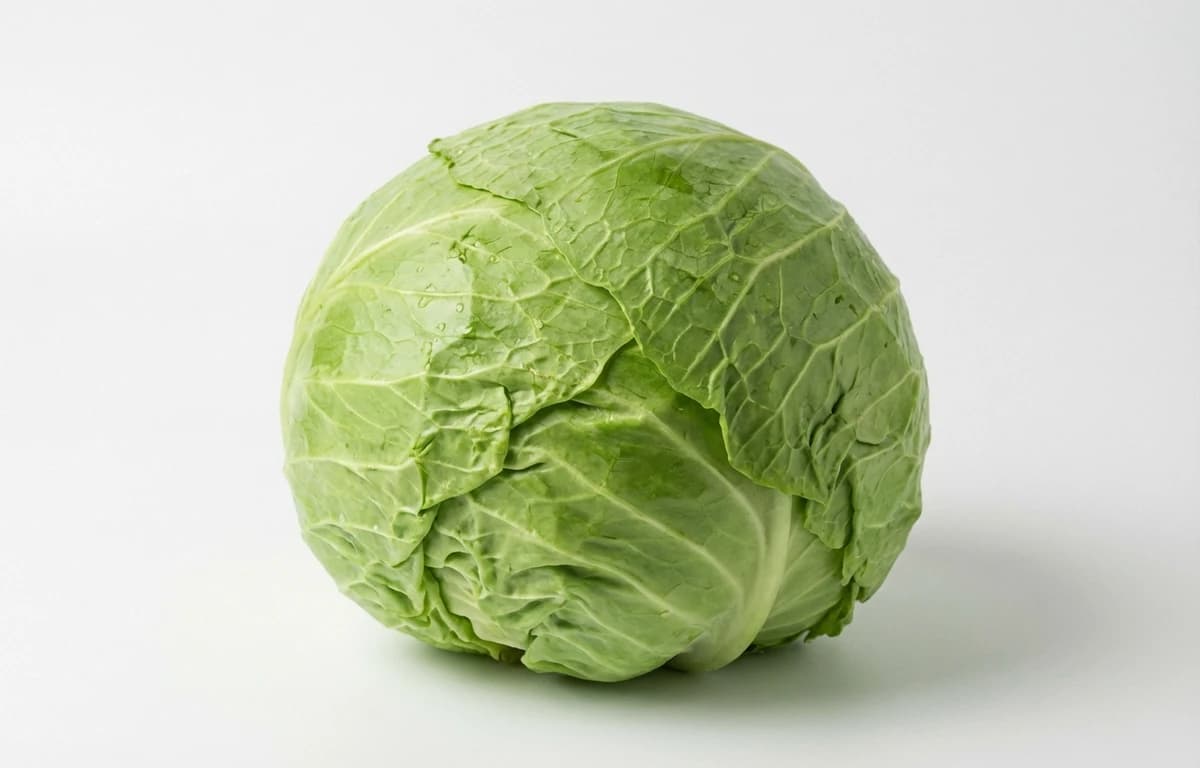
raw common cabbage is a versatile ingredient found in cuisines around the world. With 25 calories per 100g and 1.28 grams of protein, it's a nutritious addition to many dishes.
Explore more ingredients in the vegetable category with complete nutrition information.
View all vegetable →Discover 0 recipes featuring raw common cabbage with step-by-step instructions.
Browse recipes →The most common are Green (Common), Red, Savoy, and Napa cabbage.