
Fruit
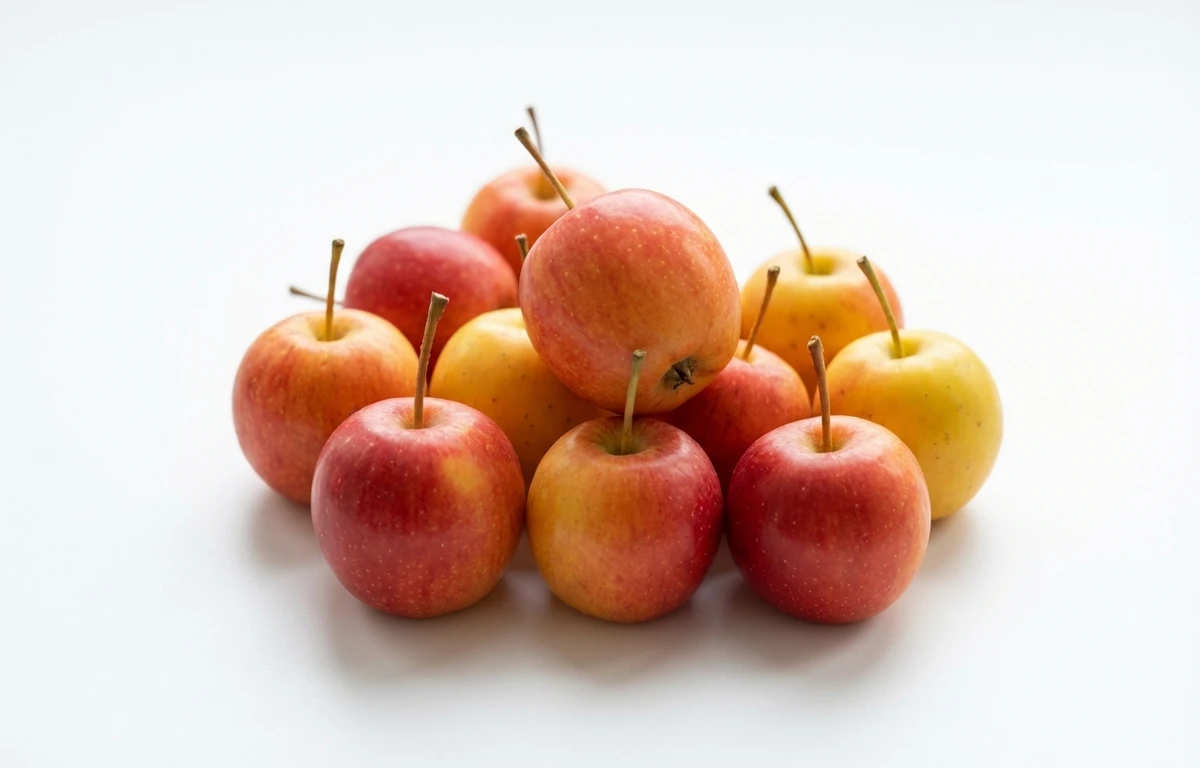
raw crabapple.
VegetarianVeganGluten-freeDairy-freeNut-freePeanut-freeSoy-freeEgg-freeShellfish-freeHoney-freeAlcohol-freeHalalKosher
SERVING
CALORIES
52
PROTEIN
0.30g
CARBS
13.8g
FAT
0.20g
FIBER
2.4g
NUTRITION PROFILE · per 100 g
Everything in this ingredient.
MACRONUTRIENTS
Calories52kcal—
Protein0.30g1%
Carbohydrates13.8g5%
Fiber2.4g9%
Sugar10.4g21%
Total fat0.20g0%
Saturated fat0.03g0%
Trans fat0g—
Cholesterol0mg0%
Water85.6g—
MINERALS
Sodium1.0mg0%
Potassium107mg2%
Calcium6.0mg0%
Iron0.10mg1%
Magnesium5.0mg1%
Phosphorus11mg1%
Zinc0.04mg0%
Copper0.03mg3%
Manganese0.04mg2%
Selenium0µg0%
VITAMINS
Vitamin A3.0µg0%
Vitamin C8.0mg9%
Vitamin D0µg0%
Vitamin E0.18mg1%
Vitamin K2.2µg2%
Thiamin (B1)0.02mg2%
Riboflavin (B2)0.03mg2%
Niacin (B3)0.10mg1%
Pantothenic acid (B5)0.06mg1%
Vitamin B60.04mg2%
Folate (B9)3.0µg1%
Vitamin B120µg0%
%DV based on a 2,000 cal diet. Source: USDA FoodData Central. A dash in the %DV column means there’s no established Daily Value for that nutrient.
MEASUREMENT CONVERSIONS
How much is what.
1 cup110g
1 tablespoon6.9g
1 teaspoon2.3g
1 ml0.5g
1 liter458.3g
HEALTH BENEFITS
Why eat it.
- ✓Extremely high in pectin, a soluble fiber that aids digestion, helps regulate blood sugar, and can lower cholesterol.
- ✓Rich in antioxidants, including polyphenols and flavonoids, which help combat cellular damage from free radicals.
- ✓A good source of Vitamin C, which supports immune system function and collagen production for healthy skin.
- ✓Contains malic acid, which can contribute to energy production and may help with muscle fatigue.
COOKING TIPS
In the kitchen.
- 1Due to their tartness and astringency, crabapples are best cooked with a sweetener. They are rarely consumed raw.
- 2Their naturally high pectin content makes them perfect for making firm-setting jellies, jams, and fruit butters without added commercial pectin.
- 3Always remove the seeds before processing, as they contain small amounts of cyanogenic glycosides, which are toxic.
- 4Cook crabapples down into a sauce or 'butter' to serve as a tart condiment for savory dishes like roasted pork or poultry.
STORAGE
Keep it fresh.
- Store fresh, unwashed crabapples in the crisper drawer of your refrigerator for 2-4 weeks.
- For long-term storage, freeze whole crabapples on a baking sheet before transferring them to an airtight bag or container, where they can last for up to a year.
FAQ
Frequently asked questions.
Are crabapples healthy?
Yes, crabapples are highly nutritious. They are exceptionally rich in pectin, a soluble fiber that aids digestion, and contain high levels of Vitamin C and antioxidants like polyphenols which support the immune system and protect cells from damage.
What is the nutritional value of 100g of raw crabapples?
A 100g serving of raw crabapples provides approximately 52 calories, 13.8g of carbohydrates, 0.3g of protein, and 0.2g of fat. They are a low-calorie fruit option that is virtually fat-free.
Can you eat crabapples raw?
Yes, crabapples are safe to eat raw, though they are much tarter and more astringent than standard apples. Many people find them too sour to eat plain and prefer them cooked or processed into preserves.
Are crabapples keto-friendly?
With 13.8g of carbohydrates per 100g, crabapples should be consumed in moderation on a keto diet. While they offer beneficial fiber, the carb count is high enough that they must be carefully tracked to stay within daily limits.
What do crabapples taste like?
Crabapples have an intense, sharp, and tart flavor due to their high malic acid content. Some varieties can also be quite bitter or astringent, though they become much sweeter and more palatable when cooked with a sweetener.
Are crabapple seeds poisonous?
Like standard apples, crabapple seeds contain amygdalin, which can release cyanide when chewed or crushed. While accidentally swallowing a few whole seeds is generally harmless, it is best to core the fruit and avoid consuming the seeds in large quantities.
How do you use crabapples in cooking?
Due to their extremely high pectin content, crabapples are most commonly used to make jellies, jams, and fruit leathers. They can also be used to make cider, pickled whole, or added to other fruit pies to help the filling set naturally.
How should you store raw crabapples?
Raw crabapples should be stored in a cool, dry place or in the refrigerator's crisper drawer. When kept cold, they can last for 1 to 2 weeks, though they are best used quickly as they can lose their firmness over time.
Are crabapples good for weight loss?
Yes, crabapples can support weight loss because they are low in calories and high in fiber. The pectin content helps promote a feeling of fullness and can help regulate blood sugar levels, reducing the likelihood of overeating.
How do you know when crabapples are ripe?
Ripe crabapples typically turn a vibrant red, orange, or yellow, depending on the variety. A good test is to cut one open; if the seeds are dark brown, the fruit is ripe, whereas white or green seeds indicate it is still underripe.



















