
Poultry
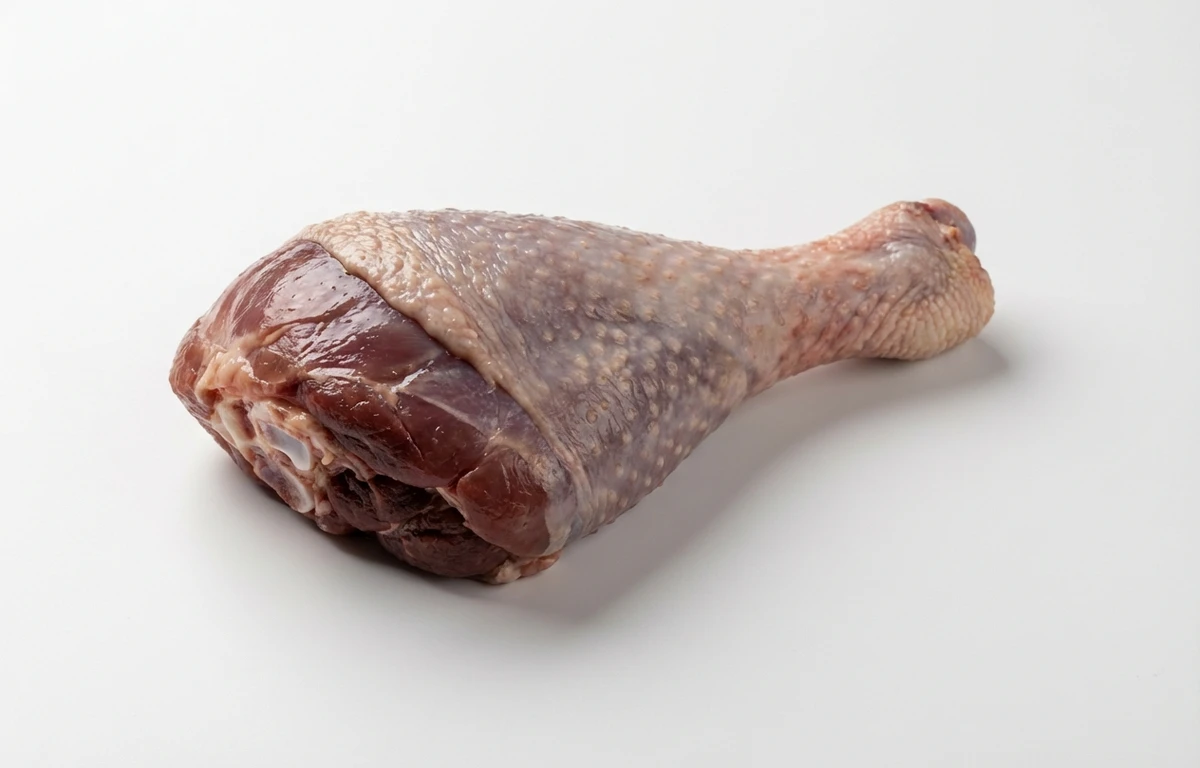
raw dark turkey meat with skin.
VegetarianVeganGluten-freeDairy-freeNut-freePeanut-freeSoy-freeEgg-freeShellfish-freeHoney-freeAlcohol-free
SERVING
CALORIES
161
PROTEIN
18.7g
CARBS
0g
FAT
9.6g
FIBER
0g
NUTRITION PROFILE · per 100 g
Everything in this ingredient.
MACRONUTRIENTS
Calories161kcal—
Protein18.7g37%
Carbohydrates0g0%
Fiber0g0%
Sugar0g0%
Total fat9.6g12%
Saturated fat2.8g14%
Trans fat0g—
Cholesterol82mg27%
Water70.8g—
MINERALS
Sodium74mg3%
Potassium233mg5%
Calcium12mg1%
Iron1.4mg8%
Magnesium21mg5%
Phosphorus178mg14%
Zinc2.4mg22%
Copper0.08mg9%
Manganese0.02mg1%
Selenium25.4µg46%
VITAMINS
Vitamin A14µg2%
Vitamin C0mg0%
Vitamin D0.10µg1%
Vitamin E0.15mg1%
Vitamin K0µg0%
Thiamin (B1)0.06mg5%
Riboflavin (B2)0.19mg15%
Niacin (B3)4.0mg25%
Pantothenic acid (B5)0.94mg19%
Vitamin B60.35mg21%
Folate (B9)8.0µg2%
Vitamin B121.2µg51%
%DV based on a 2,000 cal diet. Source: USDA FoodData Central. A dash in the %DV column means there’s no established Daily Value for that nutrient.
MEASUREMENT CONVERSIONS
How much is what.
1 oz28.4g
1 lb453.6g
HEALTH BENEFITS
Why eat it.
- ✓Excellent source of high-quality complete protein
- ✓Rich in Vitamin B12 for nerve function and DNA synthesis
- ✓Higher iron and zinc content compared to white meat
- ✓Contains selenium, a powerful antioxidant for thyroid health
- ✓Provides niacin (B3) which aids in energy metabolism
COOKING TIPS
In the kitchen.
- 1Cook to a minimum internal temperature of 165°F (74°C) to ensure safety
- 2Pat the skin completely dry with paper towels before cooking to achieve maximum crispiness
- 3Allow the meat to rest for 10-15 minutes after cooking to redistribute juices
STORAGE
Keep it fresh.
- Store in the coldest part of the refrigerator for no more than 1-2 days
- Keep in original leak-proof packaging or a sealed container to prevent cross-contamination
- Freeze in airtight heavy-duty foil or freezer bags for up to 9 months for best quality
FAQ
Frequently asked questions.
How long does raw dark turkey meat last in the refrigerator?
Raw turkey should be used within 1 to 2 days of purchase if kept refrigerated at 40°F (4°C) or below.
Can I freeze raw turkey meat with the skin still on?
Yes, you can freeze it with the skin on. Ensure it is wrapped tightly in moisture-proof freezer wrap or bags to prevent freezer burn.
How can I tell if raw turkey has gone bad?
Signs of spoilage include a sour or ammonia-like smell, a slimy or sticky texture, and a color change to grey or green.
Should I wash raw turkey before cooking?
No, washing raw poultry is not recommended as it can splash bacteria onto kitchen surfaces and other foods. Cooking to the correct temperature kills bacteria.
What is the difference between dark meat and white meat?
Dark meat comes from muscles used more frequently (like legs), containing more myoglobin, which results in a darker color, higher fat content, and more iron.
What are the best substitutes for dark turkey meat?
Dark chicken meat (thighs/legs) is the closest substitute. Duck meat or goose can also be used, though they are significantly fattier.
Is dark turkey meat healthy despite the higher fat content?
Yes, it is highly nutritious. While higher in calories than breast meat, it provides more essential minerals like zinc, iron, and B vitamins.
How do I get the skin crispy when roasting?
Dry the skin thoroughly, rub with a small amount of oil or butter, and start roasting at a high temperature (around 400°F/200°C) before lowering it.
Can I cook dark turkey meat in a slow cooker?
Yes, dark meat is ideal for slow cooking because its higher fat and connective tissue content keep it moist and tender during long cook times.
What is the safe internal temperature for dark turkey meat?
The USDA recommends a minimum internal temperature of 165°F (74°C), though many chefs prefer dark meat at 175°F (79°C) for better texture.



















