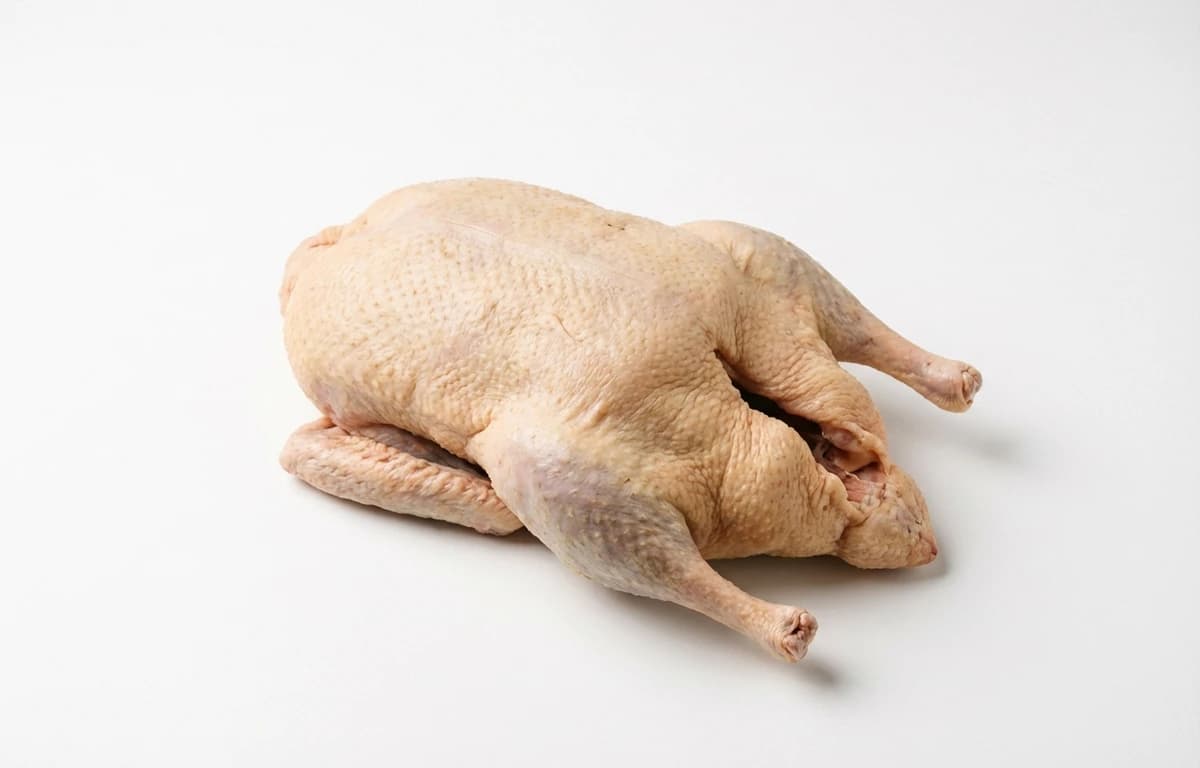
raw duck
Also known as:
Loading...

Also known as:
Per 100g
Nutrition data source: USDA FoodData Central
Common measurement equivalents in grams
Raw duck is a nutrient-dense poultry option that is an excellent source of high-quality complete protein and essential minerals like iron and selenium. While it is higher in fat than chicken, it provides significant amounts of B vitamins that support energy metabolism and nervous system health.
Per 100g, raw duck contains approximately 404 calories and 39.34g of fat. Much of this fat is concentrated in the skin; rendering the fat during the cooking process can help reduce the overall calorie content of the finished dish.
Yes, duck is highly keto-friendly as it contains 0g of carbohydrates and is naturally high in fat. It is an ideal protein source for those on a ketogenic or low-carb diet who need to maintain high fat intake while meeting protein requirements.
Duck is rich in heme iron, which is more easily absorbed by the body than plant-based iron, helping to prevent anemia. It also contains selenium, a powerful antioxidant for immune and thyroid health, and B vitamins like niacin (B3) and pyridoxine (B6).
Raw duck should be stored in the coldest part of your refrigerator and typically lasts for 1 to 2 days. If you do not plan to cook it within that timeframe, it should be wrapped tightly and frozen to maintain freshness.
While many culinary traditions serve duck breast medium-rare (around 135°F or 57°C) for a tender texture, the USDA recommends cooking all poultry to an internal temperature of 165°F (74°C) to ensure all bacteria are destroyed.
Before cooking, it is common to score the skin in a diamond pattern without cutting into the meat. This allows the thick layer of subcutaneous fat to render out more effectively, resulting in a crispier skin and more flavorful meat.
raw duck is a versatile ingredient found in cuisines around the world. With 404 calories per 100g and 11.49 grams of protein, it's a nutritious addition to many dishes.
Explore more ingredients in the poultry category with complete nutrition information.
View all poultry →Spoiled duck will exhibit a sour or off-putting odor, a slimy or sticky texture on the surface, and may show signs of gray or green discoloration. If any of these signs are present, the meat is unsafe to eat and should be discarded.
Duck is a permissible bird under both Islamic and Jewish dietary laws. However, to be considered Halal or Kosher, the duck must be slaughtered and processed according to specific religious requirements and carry the appropriate certification.
Duck has a much richer, more intense flavor than chicken, often described as 'gamey' or similar to a mild red meat. Because it is a waterfowl, the meat is darker and the fat content is higher, leading to a more succulent and savory eating experience.