
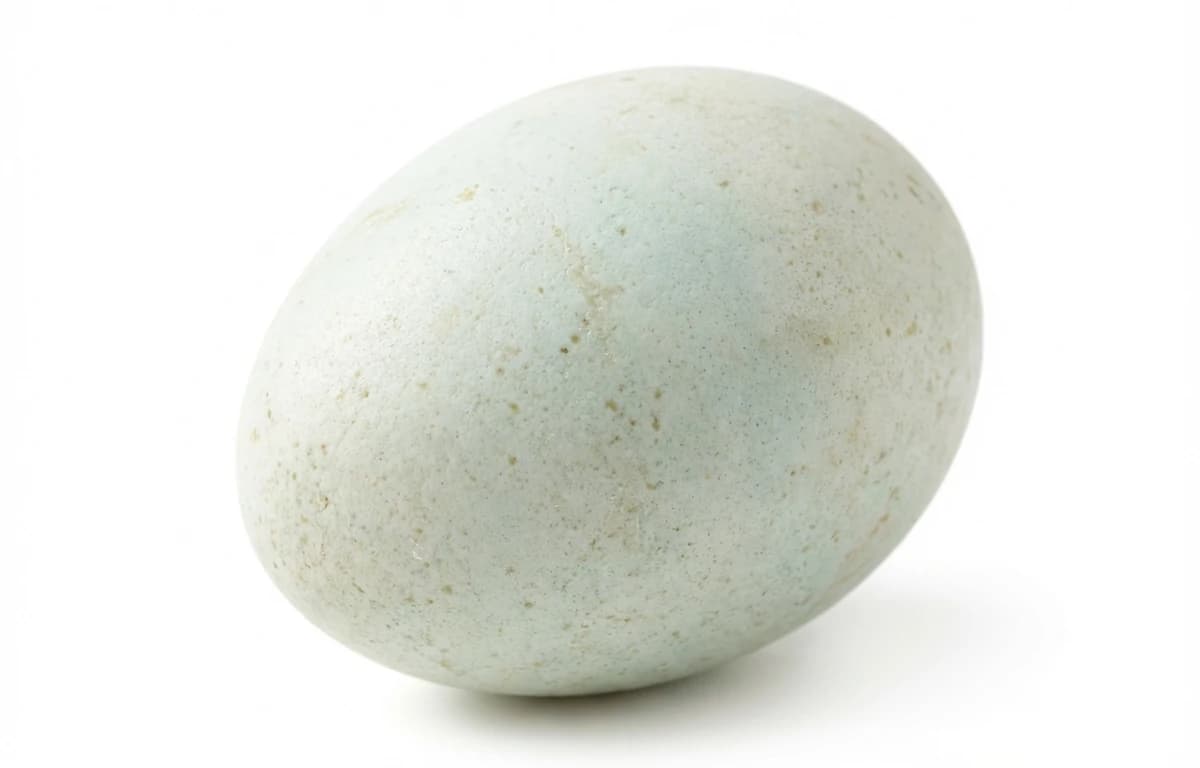
raw duck egg
Also known as: duck egg
Loading...
Also known as: duck egg
Per 100g
Nutrition data source: USDA FoodData Central
Common measurement equivalents in grams
Duck eggs are more nutrient-dense than chicken eggs, offering higher amounts of protein, fat, vitamin B12, and iron per gram. While they are higher in calories and cholesterol, they provide more Vitamin D and omega-3 fatty acids, making them a powerful nutritional alternative.
Duck eggs are an excellent source of choline, which is vital for brain health and nerve function. They also contain significant amounts of selenium and Vitamin D, which support immune function, thyroid health, and bone strength.
Yes, duck eggs can support weight management because their high protein (12.81g) and fat (13.77g) content promotes satiety. This helps you feel full for longer periods, potentially reducing overall calorie intake throughout the day.
Duck eggs are ideal for a ketogenic diet as they are high in healthy fats and protein while containing only 1.45g of carbohydrates per 100g. Their nutrient profile supports the high-fat, low-carb requirements of keto perfectly.
Many individuals with a chicken egg allergy can tolerate duck eggs because the proteins in duck eggs are structurally different. However, you should always consult an allergist before trying them, as some people may still experience cross-reactivity.
Duck eggs have a much richer, creamier, and more intense flavor than chicken eggs. This is due to their larger yolk-to-white ratio and higher fat content, which results in a more savory and decadent taste profile.
You can fry, poach, or boil duck eggs just like chicken eggs, though they require slightly more time due to their larger size. Be careful not to overcook them; because they have less water content, they can become rubbery if cooked too long on high heat.
raw duck egg is a versatile ingredient found in cuisines around the world. With 185 calories per 100g and 12.81 grams of protein, it's a nutritious addition to many dishes.
Explore more ingredients in the egg category with complete nutrition information.
View all egg →Discover 2 recipes featuring raw duck egg with step-by-step instructions.
Browse recipes →Duck eggs are highly favored by bakers because their higher protein content helps cakes and breads rise more effectively. The extra fat in the yolk also produces a richer, fluffier texture in finished baked goods.
Duck eggs should be stored in the refrigerator in their original carton to maintain freshness. They have thicker shells than chicken eggs, which helps them stay fresh longer, typically lasting 4 to 6 weeks when properly chilled.
Consuming raw duck eggs carries a risk of Salmonella, similar to chicken eggs. To minimize the risk of foodborne illness, it is recommended to cook duck eggs until both the white and yolk are firm, or use pasteurized versions for raw applications.