
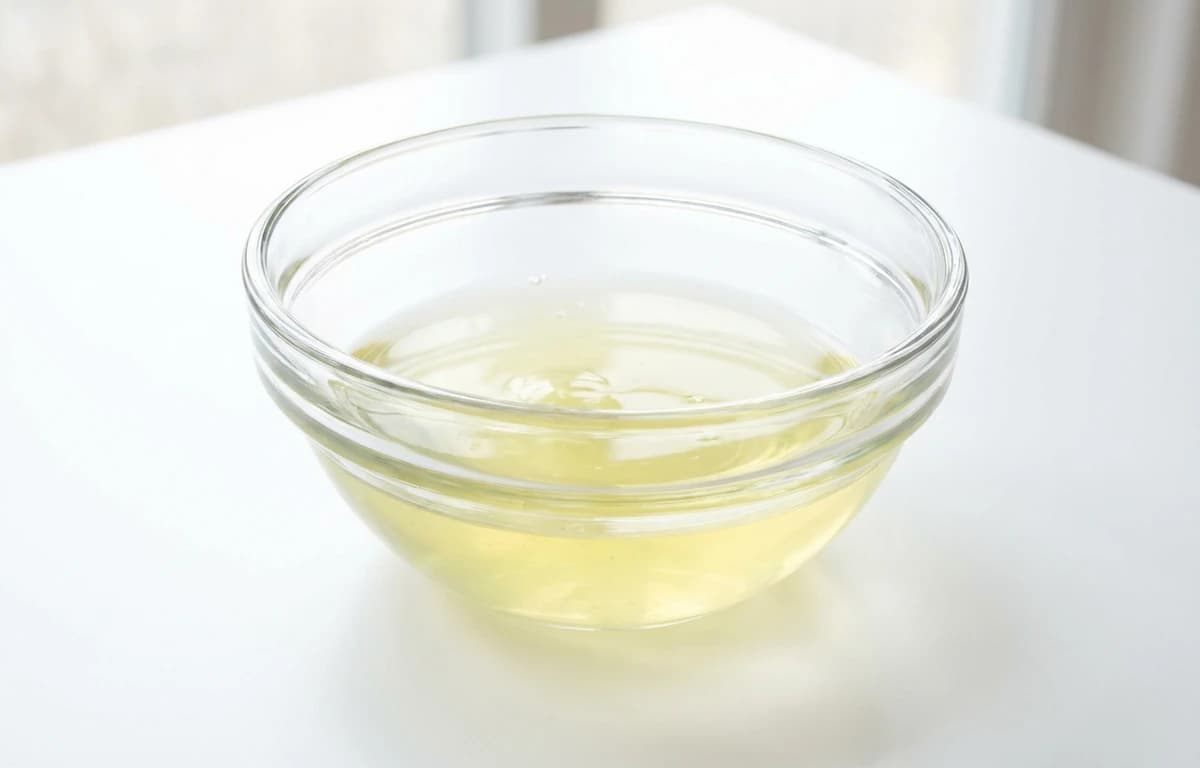
raw egg white
Also known as: fresh egg white
Loading...
Also known as: fresh egg white
Per 100g
Nutrition data source: USDA FoodData Central
Common measurement equivalents in grams
Yes, raw egg whites are a nutrient-dense, low-calorie source of high-quality protein. They are virtually fat-free and cholesterol-free, making them an excellent option for muscle repair and heart health.
Raw egg white contains approximately 10.9g of protein per 100g. It is a complete protein source, meaning it provides all nine essential amino acids necessary for the body's growth and maintenance.
While nutritious, raw egg whites carry a small risk of Salmonella contamination. To minimize risk, it is recommended to use pasteurized egg whites, especially in recipes like smoothies or dressings that do not involve cooking.
Yes, raw egg whites are highly keto-friendly as they contain only 0.73g of carbohydrates and 52 calories per 100g. They provide a pure protein boost without adding significant fats or sugars to your diet.
No, raw egg white is not vegan because it is an animal byproduct. However, it is considered vegetarian as it is a dairy-adjacent product that does not involve the consumption of animal flesh.
Raw egg whites are frequently used to create stable foams for meringues, mousses, and soufflés. They are also used in cocktails to create a frothy texture and can be added to smoothies for a low-fat protein increase.
Once separated from the yolk, raw egg whites should be stored in a clean, airtight container and used within 2 to 4 days. Always keep them refrigerated at or below 40°F (4°C) to maintain freshness.
raw egg white is a versatile ingredient found in cuisines around the world. With 52 calories per 100g and 10.9 grams of protein, it's a nutritious addition to many dishes.
Explore more ingredients in the egg category with complete nutrition information.
View all egg →Discover 0 recipes featuring raw egg white with step-by-step instructions.
Browse recipes →Yes, raw egg whites freeze exceptionally well for up to 12 months. It is best to freeze them in individual ice cube trays so you can thaw the exact quantity needed for future baking or cooking.
Fresh egg whites should be clear or slightly cloudy and have no distinct odor. If they appear pinkish, have a strong sulfur-like smell, or a very watery, slimy texture, they have likely spoiled and should be discarded.
Raw egg whites contain avidin, a protein that binds to biotin (vitamin B7) and prevents its absorption. While occasional consumption is generally safe, regular intake of large amounts of raw egg whites could potentially lead to a biotin deficiency.