
Meat
raw elk.
VegetarianVeganGluten-freeDairy-freeNut-freePeanut-freeSoy-freeEgg-freeShellfish-freeHoney-freeAlcohol-free
ALSO KNOWN AS
elk meat
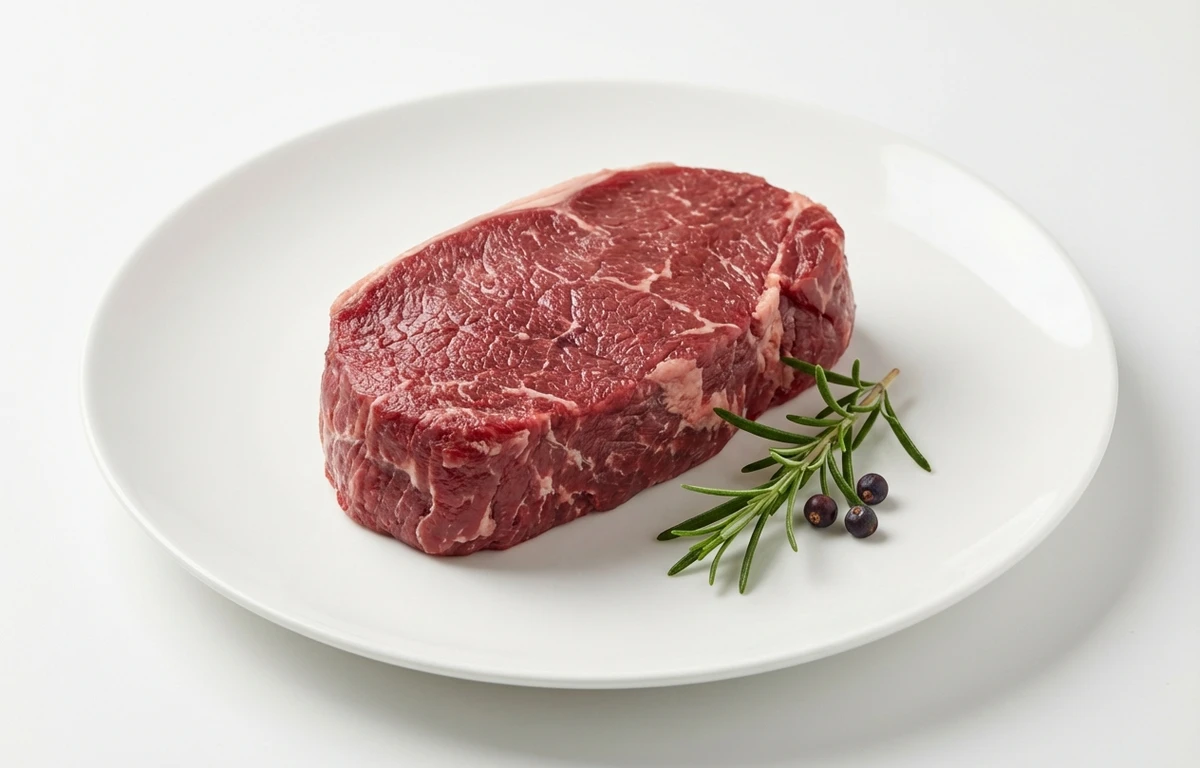
SERVING
CALORIES
111
PROTEIN
22.9g
CARBS
0g
FAT
1.4g
FIBER
0g
NUTRITION PROFILE · per 100 g
Everything in this ingredient.
MACRONUTRIENTS
Calories111kcal—
Protein22.9g46%
Carbohydrates0g0%
Fiber0g0%
Sugar0g0%
Total fat1.4g2%
Saturated fat0.53g3%
Trans fat0g—
Cholesterol55mg18%
Water74.4g—
MINERALS
Sodium58mg3%
Potassium312mg7%
Calcium5.0mg0%
Iron3.4mg19%
Magnesium23mg5%
Phosphorus202mg16%
Zinc4.5mg41%
Copper0.13mg14%
Manganese0.01mg0%
Selenium11.5µg21%
VITAMINS
Vitamin A0µg0%
Vitamin C0mg0%
Vitamin E0.20mg1%
Vitamin K1.1µg1%
Thiamin (B1)0.22mg18%
Riboflavin (B2)0.48mg37%
Niacin (B3)4.8mg30%
Pantothenic acid (B5)0.65mg13%
Vitamin B60.45mg26%
Folate (B9)6.0µg2%
Vitamin B122.5µg104%
%DV based on a 2,000 cal diet. Source: USDA FoodData Central. A dash in the %DV column means there’s no established Daily Value for that nutrient.
MEASUREMENT CONVERSIONS
How much is what.
1 cup150g
1 oz28.4g
1 lb453.6g
1 piece110g
HEALTH BENEFITS
Why eat it.
- ✓Excellent source of lean protein, crucial for muscle repair, growth, and overall body function.
- ✓Rich in easily absorbed heme iron, which supports red blood cell production and helps prevent anemia.
- ✓Lower in fat and cholesterol compared to many cuts of beef, making it a heart-healthier red meat choice.
- ✓Provides significant amounts of B vitamins, especially B12 and niacin, which are vital for energy metabolism and nervous system health.
COOKING TIPS
In the kitchen.
- 1Due to its leanness, elk cooks faster than beef. Avoid overcooking to prevent toughness; use a meat thermometer and aim for an internal temperature of 130-135°F (54-57°C) for medium-rare.
- 2Marinating elk for at least 30 minutes before cooking can add moisture and flavor, helping to tenderize the meat.
- 3Elk pairs well with robust, earthy flavors like juniper berries, rosemary, thyme, mushrooms, and red wine-based sauces.
- 4After cooking, let elk steaks and roasts rest for 5-10 minutes before slicing to allow the juices to redistribute, ensuring a more tender result.
STORAGE
Keep it fresh.
- Refrigerate raw elk immediately at 40°F (4°C) or below and use within 1-2 days for ground meat or 3-5 days for steaks and roasts.
- For long-term storage, wrap tightly in plastic wrap and foil or use a vacuum sealer and freeze at 0°F (-18°C) for up to 12 months.
FAQ
Frequently asked questions.
Is elk meat healthy?
Yes, elk is a highly nutritious lean protein. It is low in fat and cholesterol while being rich in heme iron and B vitamins, making it a heart-healthy alternative to traditional red meats like beef or pork.
How much protein is in elk?
Raw elk is very high in protein, providing approximately 22.95 grams per 100-gram serving. This makes it an excellent choice for muscle repair and growth with very few calories coming from fat.
Is elk meat keto-friendly?
Yes, elk is perfectly suited for a keto or low-carb diet as it contains 0 grams of carbohydrates. Because it is extremely lean, you may want to pair it with healthy fats to meet your daily macros.
Is elk meat gluten-free?
Pure, raw elk meat is naturally gluten-free. However, if you are buying pre-marinated elk or elk sausages, always check the label for additives or fillers that might contain gluten.
What does elk taste like?
Elk has a flavor profile similar to beef but is often described as slightly sweeter and more 'clean' tasting. It is much less 'gamey' than deer or moose, though its lack of fat gives it a different mouthfeel than marbled beef.
How do you cook raw elk without it getting tough?
Because elk is extremely lean with only 1.45g of fat per 100g, it cooks faster than beef and can dry out easily. It is best served medium-rare to medium; avoid overcooking, and consider using a marinade or basting with healthy fats.
How long does raw elk last in the refrigerator?
Fresh, raw elk steaks or roasts can be stored in the refrigerator for 3 to 5 days. Ground elk is more perishable and should be cooked or frozen within 1 to 2 days of purchase.
Can you freeze raw elk?
Yes, elk freezes very well. When vacuum-sealed or tightly wrapped in freezer paper to prevent freezer burn, raw elk can maintain its quality in the freezer for 6 to 12 months.
Is elk meat better for you than beef?
Nutritionally, elk is often considered a healthier alternative to beef because it contains significantly less fat and fewer calories (111 cal per 100g) while providing similar amounts of protein and higher concentrations of iron.
Can I eat elk meat raw?
While some use high-quality elk for tartare or carpaccio, there is a risk of parasites and foodborne illness with wild game. To ensure safety, the USDA recommends cooking whole cuts to an internal temperature of 145°F (63°C).



















