
Loading...
Per 100g
Nutrition data source: USDA FoodData Central
Common measurement equivalents in grams
Yes, farm-raised catfish is a healthy, lean protein source. It is rich in Vitamin B12 for nerve function and phosphorus for bone health, while generally containing lower levels of mercury compared to many wild-caught predatory fish.
A 100g serving of raw catfish provides approximately 119 calories and 15.2 grams of high-quality protein. It contains about 5.9 grams of fat and zero carbohydrates, making it a nutrient-dense food.
Catfish is an excellent choice for weight loss because it is high in protein and relatively low in calories. The protein content helps promote satiety and muscle maintenance, which can prevent overeating.
Yes, catfish is highly keto-friendly as it contains zero carbohydrates. It also provides beneficial omega-3 and omega-6 fatty acids, which are essential components of a healthy high-fat, low-carb diet.
Raw catfish is naturally gluten-free. However, because it is traditionally prepared with breading or flour, you must use gluten-free substitutes like cornmeal or almond flour if you have a gluten sensitivity.
Farm-raised catfish has a mild, slightly sweet flavor and a firm, moist texture. Unlike wild catfish, which can sometimes have an earthy or muddy taste, farm-raised varieties are fed a controlled diet that ensures a clean, consistent flavor.
Catfish is versatile and can be fried, baked, grilled, or blackened. It is fully cooked when the flesh becomes opaque and flakes easily with a fork, reaching an internal temperature of 145°F (63°C).
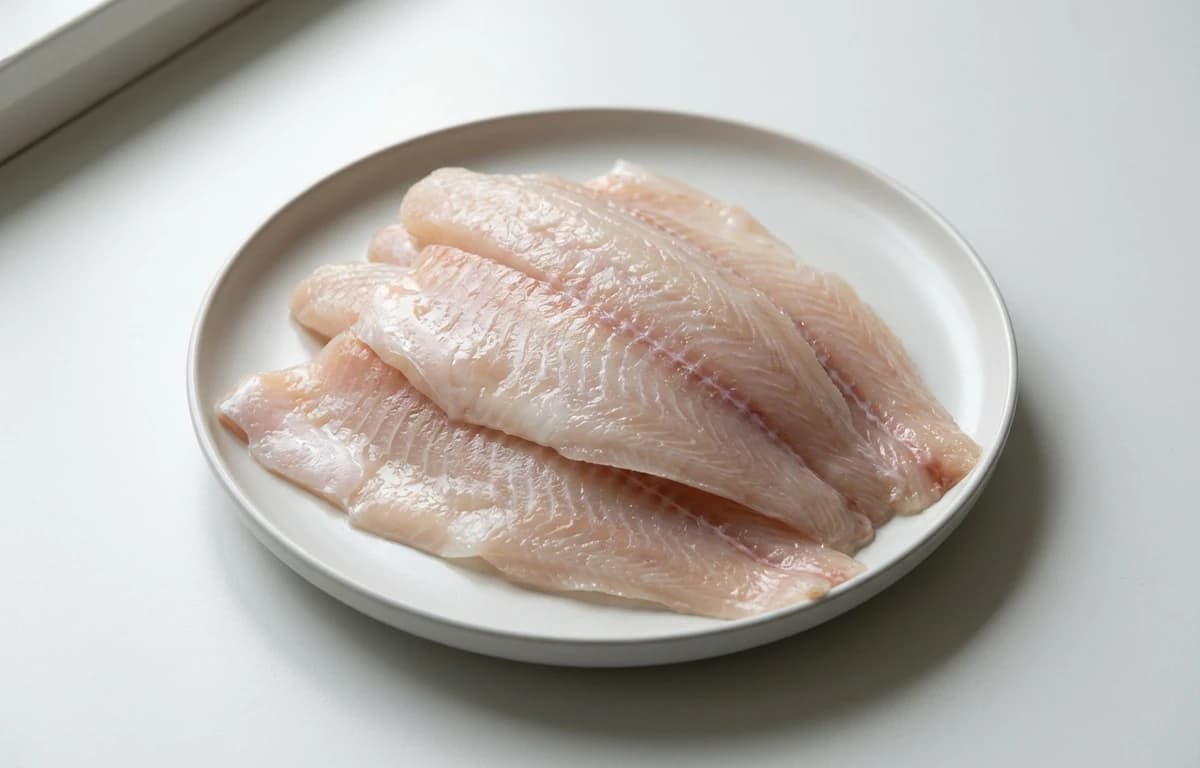
raw farm raised catfish is a versatile ingredient found in cuisines around the world. With 119 calories per 100g and 15.2 grams of protein, it's a nutritious addition to many dishes.
Explore more ingredients in the seafood category with complete nutrition information.
View all seafood →Discover 0 recipes featuring raw farm raised catfish with step-by-step instructions.
Browse recipes →Raw catfish should be stored in the coldest part of the refrigerator and used within 1 to 2 days of purchase. For longer storage, wrap it tightly in moisture-proof wrap and freeze it for up to 6 months.
Spoiled catfish will have a strong, sour, or ammonia-like odor rather than a mild fish scent. Additionally, look for a slimy texture or a dull, yellowish discoloration on the flesh, which indicates it is no longer fresh.
Catfish is generally considered halal in most Islamic dietary traditions. However, it is not kosher because it lacks scales, which is a requirement for fish to be considered permissible under Jewish dietary law.