
Seafood
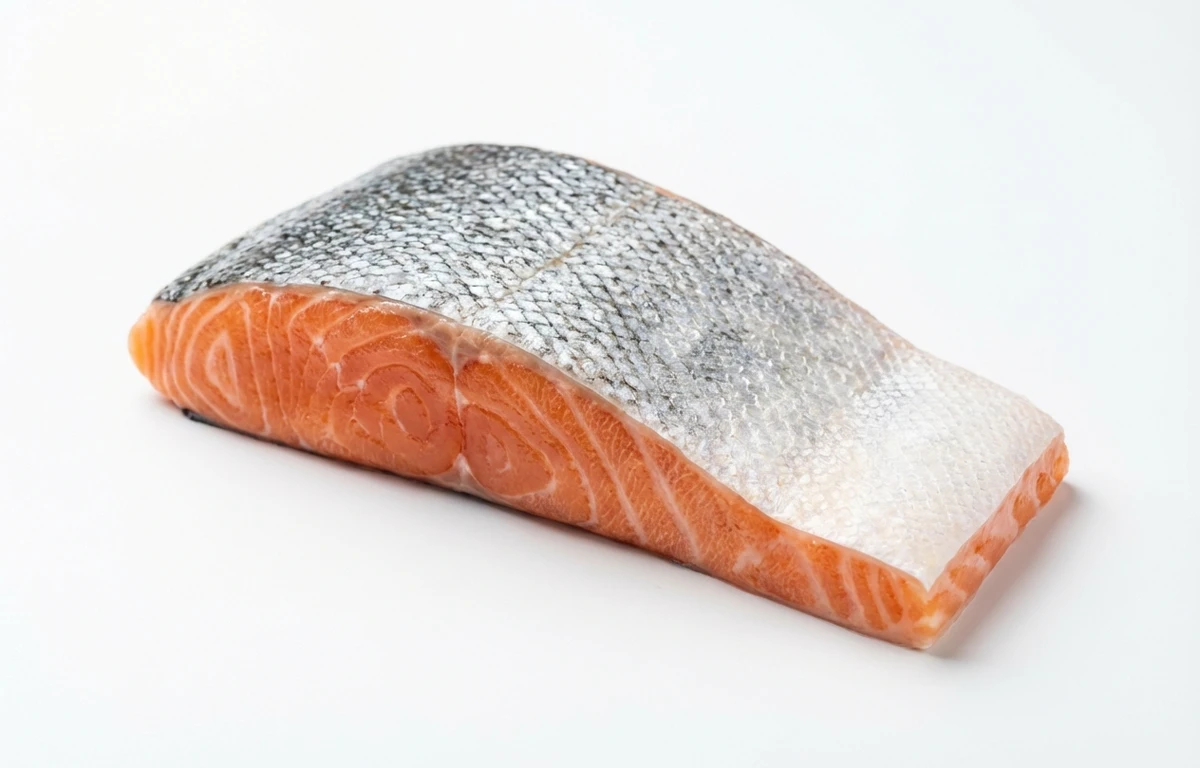
raw farmed atlantic salmon.
VegetarianVeganGluten-freeDairy-freeNut-freePeanut-freeSoy-freeEgg-freeShellfish-freeHoney-freeAlcohol-free
ALSO KNOWN AS
atlantic salmon
SERVING
CALORIES
208
PROTEIN
20.4g
CARBS
0g
FAT
13.4g
FIBER
0g
NUTRITION PROFILE · per 100 g
Everything in this ingredient.
MACRONUTRIENTS
Calories208kcal—
Protein20.4g41%
Carbohydrates0g0%
Fiber0g0%
Sugar0g0%
Total fat13.4g17%
Saturated fat3.0g15%
Cholesterol55mg18%
Water64.9g—
MINERALS
Sodium59mg3%
Potassium363mg8%
Calcium9.0mg1%
Iron0.34mg2%
Magnesium27mg6%
Phosphorus240mg19%
Zinc0.36mg3%
Copper0.05mg6%
Manganese0.01mg0%
Selenium24µg44%
VITAMINS
Vitamin A58µg6%
Vitamin C3.9mg4%
Vitamin D11µg55%
Vitamin E3.5mg24%
Vitamin K0.50µg0%
Thiamin (B1)0.21mg18%
Riboflavin (B2)0.16mg12%
Niacin (B3)8.7mg54%
Pantothenic acid (B5)1.6mg31%
Vitamin B60.64mg38%
Folate (B9)26µg7%
Vitamin B123.2µg135%
%DV based on a 2,000 cal diet. Source: USDA FoodData Central. A dash in the %DV column means there’s no established Daily Value for that nutrient.
MEASUREMENT CONVERSIONS
How much is what.
1 oz28.4g
1 lb453.6g
1 piece150g
HEALTH BENEFITS
Why eat it.
- ✓Excellent source of omega-3 fatty acids (EPA and DHA), which support heart health and reduce inflammation.
- ✓Rich in high-quality protein, essential for muscle building, tissue repair, and overall body function.
- ✓High in Vitamin D, which is crucial for bone health, immune system regulation, and calcium absorption.
- ✓Contains the antioxidant astaxanthin, which helps protect cells from damage and supports skin health.
COOKING TIPS
In the kitchen.
- 1For crispy skin, pat the salmon fillet completely dry with a paper towel before seasoning and searing skin-side down in a hot, oiled pan.
- 2Avoid overcooking. Salmon is best cooked to medium-rare, with an internal temperature of 125-130°F (52-54°C), where it will be slightly translucent in the center and flake easily.
- 3Salmon's rich flavor pairs well with citrus (lemon, lime), fresh herbs (dill, parsley), and simple seasonings like salt and pepper.
- 4When baking or roasting, place salmon on a parchment-lined baking sheet for easy cleanup and even cooking.
STORAGE
Keep it fresh.
- Store in the coldest part of the refrigerator (at or below 40°F / 4°C) and use within 1-2 days of purchase.
- For longer storage, wrap tightly in plastic wrap and freezer paper or place in a vacuum-sealed bag and freeze at 0°F (-18°C) for up to 3 months.
- Thaw frozen salmon overnight in the refrigerator. Avoid thawing at room temperature to prevent bacterial growth.
FAQ
Frequently asked questions.
Is raw farmed Atlantic salmon healthy?
Yes, it is highly nutritious, providing 20.42g of protein and 13.42g of healthy fats per 100g. It is an excellent source of Omega-3 fatty acids and Vitamin D, which support heart health, bone strength, and immune function.
How many calories and carbs are in farmed Atlantic salmon?
A 100g serving contains approximately 208 calories and 0g of carbohydrates. This makes it an ideal high-protein, zero-carb food for various dietary plans.
Is farmed Atlantic salmon keto-friendly?
Yes, it is very keto-friendly because it contains zero carbohydrates and is high in healthy fats and protein. The 13.42g of fat per 100g helps meet the high-fat requirements of a ketogenic lifestyle.
Can I eat farmed Atlantic salmon raw?
While it can be eaten raw in dishes like sushi, it should be labeled 'sushi-grade' or have been previously frozen to specific temperatures to kill potential parasites. Farmed salmon is generally considered lower risk for parasites than wild salmon, but proper handling is still essential.
What is the best way to cook farmed Atlantic salmon?
Popular methods include pan-searing for a crispy skin, baking at 400°F (200°C) for 12-15 minutes, or grilling. To keep it moist, cook it to an internal temperature of 145°F (63°C), though many prefer it medium-rare at 125-130°F.
How long does raw salmon last in the refrigerator?
Raw salmon should be stored in the coldest part of the refrigerator and used within 1 to 2 days of purchase. For longer storage, wrap it tightly in plastic wrap and foil and freeze it for up to 3 months.
How do I know if raw salmon has gone bad?
Fresh salmon should have a mild sea scent; a strong 'fishy' or ammonia-like odor indicates spoilage. Look for a firm, moist texture and vibrant color; avoid fillets that are slimy, dull, or have dark brown spots.
What are the benefits of the Omega-3s found in farmed salmon?
Farmed Atlantic salmon is rich in EPA and DHA, types of Omega-3s that reduce inflammation and lower the risk of heart disease. These fats also support brain function and may improve skin health through the antioxidant astaxanthin.
Is raw farmed Atlantic salmon gluten-free?
Yes, raw salmon is naturally gluten-free as it contains no wheat, barley, or rye. However, be cautious with pre-marinated salmon or store-bought seasonings, which may contain gluten-based thickeners or soy sauce.
Is farmed Atlantic salmon good for weight loss?
Yes, its high protein content (over 20g per 100g) promotes satiety, helping you feel full longer. While it is higher in calories than white fish due to its healthy fat content, these fats are essential for metabolic health and hormone regulation.



















